
 EN
EN

 English
 中文简体
中文简体 Español
Hangzhou Changshun Furniture Co., Ltd. | Woven Wood Dining Chairs Manufacturer
Executive Summary: Why Rattan Furniture Commands Premium Margins in 2026
Rattan furniture has transcended its tropical origins to become a defining element of biophilic design in hospitality, residential, and commercial interiors worldwide. After analyzing production data from 500,000 plus pieces manufactured at our OEM factory, combined with global market intelligence across 45 countries, the data is clear: well-engineered rattan furniture delivers a 32% higher perceived value rating than comparably priced solid wood alternatives in consumer preference studies, while offering a 40% weight reduction that dramatically lowers shipping costs and installation labor. For procurement directors, hospitality FF&E specifiers, and furniture brand importers, understanding the material science, manufacturing quality indicators, and sustainability credentials of rattan furniture is now a prerequisite for competitive sourcing. This comprehensive guide equips you with every technical and commercial insight needed to specify, evaluate, and procure with confidence.
Content
- 1 1. Understanding Rattan: The Material Science Behind the Furniture
- 2 2. Natural vs. Synthetic Rattan Furniture: A Data-Driven Comparison
- 3 3. Hidden Quality Indicators: What Separates Premium Rattan Furniture from Commodity Imports
- 4 4. Market Segmentation: Global Demand for Rattan Furniture by Channel
- 5 5. OEM Procurement Workflow: From Design Brief to Container Loading
- 6 6. Sustainability, Compliance, and Regulatory Landscape
- 7 7. Frequently Asked Questions About Rattan Furniture Procurement
- 8 8. Strategic Outlook and Procurement Recommendations
1. Understanding Rattan: The Material Science Behind the Furniture
Before evaluating rattan furniture as a commercial product, procurement professionals must understand the fundamental material properties that determine durability, workability, and aesthetic longevity. Rattan is not a single species but a collective term for approximately 600 species of climbing palms in the Calamoideae subfamily, primarily harvested in Indonesia, the Philippines, and Malaysia. Unlike bamboo — which is hollow and segmented — genuine rattan possesses a solid core with a dense vascular bundle structure that provides exceptional tensile strength-to-weight ratio. At Changshun, we source Calamus manan (Manau rattan) for structural frame components requiring diameters of 20 to 40mm, and Calamus caesius (Sega rattan) for fine weaving applications where diameters of 2 to 5mm are required. This species-specific material selection is the first quality differentiator that separates premium rattan furniture from commodity alternatives.
Natural Rattan
Solid-core climbing palm with exceptional tensile strength (120–180 MPa). Harvested, sun-dried, sulfur-fumigated for pest resistance, and sorted by diameter. Our rattan furniture frames use kiln-dried natural rattan at 8–10% moisture content to prevent post-manufacture cracking. Each pole is visually graded for color consistency and node spacing before being bent into shape using heated jigs at 180–200 degrees Celsius.
Synthetic Rattan (PE Wicker)
High-density polyethylene (HDPE) extruded with UV stabilizers and color pigments, textured to replicate natural rattan's surface. Our synthetic rattan furniture materials are rated for 3,000 plus hours of UV exposure (ISO 4892-2) with less than 4 Delta E color shift — essential for outdoor hospitality applications. Available in flat, half-round, and round profiles from 2mm to 12mm width.
2. Natural vs. Synthetic Rattan Furniture: A Data-Driven Comparison
The procurement decision between natural and synthetic rattan furniture must be guided by the intended application environment, expected usage intensity, and maintenance budget. Our quality assurance laboratory has conducted comparative testing across 14 performance parameters to enable evidence-based specification.
3. Hidden Quality Indicators: What Separates Premium Rattan Furniture from Commodity Imports
Beyond the visible weave pattern, five concealed manufacturing quality indicators determine whether rattan furniture will perform reliably across a 5 to 15-year service life. Our OEM production data across 200 plus furniture brands reveals the engineering details that procurement professionals must audit.
Quality Contribution Factors — Changshun Premium vs. Standard Import (Higher % = Better)
Source: Changshun Furniture QA Laboratory — Joint integrity measured by cyclic load testing (50,000 cycles at 150N); Finish adhesion per ASTM D3359 cross-hatch test; Weave density measured in strands per 100mm.
Procurement Insight: The most common quality failure in imported rattan furniture is joint separation at frame connections. Premium manufacturers like Changshun use a three-step joint construction: (1) 8mm hardwood dowel pin for alignment, (2) two-component epoxy adhesive for structural bonding, and (3) natural rattan peel binding wrapped under tension and pinned with 18-gauge brads. Always request a cutaway sample showing joint construction when qualifying a new OEM Woven Wood Chairs Factory.
4. Market Segmentation: Global Demand for Rattan Furniture by Channel
The rattan furniture market has diversified significantly beyond its traditional resort and sunroom associations. Our export data across 45 countries reveals five major demand channels, each with distinct specification requirements.
- Hospitality (Hotels, Resorts, Restaurants): 38% — Contract-grade, fire-rated
- Residential Furniture Retailers: 24% — Dining sets, accent chairs
- E-Commerce DTC Brands: 17% — Flat-pack ready, KD designs
- Contract and Office Interiors: 12% — Biophilic workplace design
- Outdoor and Garden Specialty: 9% — All-weather synthetic PE
5. OEM Procurement Workflow: From Design Brief to Container Loading
Sourcing rattan furniture from a Chinese OEM factory requires a structured process to ensure design intent is faithfully translated into production reality. As both a manufacturer and trading company, Changshun has refined this workflow across thousands of buyer engagements.
Submit Design Brief and Reference Samples
Provide technical drawings (CAD or hand-sketch with dimensions), material specifications (natural rattan species, synthetic PE color code, wood frame species), finish requirements, and if available, a reference physical sample. Our engineering team evaluates manufacturability and proposes value-engineering opportunities — such as substituting a bent-rattan component for a carved joint to reduce labor cost by 15–20% without compromising aesthetics.
Prototype Development and Material Approval
We produce 2–3 prototype variations within 15–20 working days. Each prototype is accompanied by a material specification sheet listing the exact rattan species, diameter, moisture content, wood frame species, finish type and sheen level, and weave pattern designation. Buyers approve or request modifications — typical iteration cycle is 1–2 rounds before final sample sign-off.
Production Tooling and Pilot Run
Upon sample approval, we fabricate production jigs for frame bending, weaving templates, and finishing fixtures. A pilot run of 50–100 pieces is produced to validate assembly line efficiency, finish consistency, and packaging integrity. Pilot run pieces undergo ISTA 3A transit testing to validate packaging design before mass production authorization.
Mass Production with Inline Quality Gates
Production runs with five inline inspection gates: (1) incoming raw rattan moisture content check, (2) frame assembly dimensional verification, (3) weaving tension and pattern consistency audit, (4) pre-finish surface preparation inspection, and (5) final finished goods audit against the approved golden sample. AQL 2.5 Level II is standard; AQL 1.0 is available for premium contract-grade orders.
Packaging, Loading, and Documentation
Standard packaging: individual chair in 5-layer corrugated carton with EPE foam corner protectors and desiccant sachet (for natural rattan). KD (knock-down) packaging available for e-commerce clients — reduces freight volume by 40–60%. All shipments include commercial invoice, packing list, fumigation certificate (ISPM 15 for solid wood components), and Form A or FTA certificate of origin as applicable.
6. Sustainability, Compliance, and Regulatory Landscape
The regulatory environment surrounding rattan furniture has tightened significantly, driven by CITES Appendix II listings for certain rattan species, EU Deforestation Regulation (EUDR) requirements, and growing retailer demands for verified sustainable sourcing. Procurement teams must navigate these requirements proactively.
CITES Compliance
Certain rattan species are listed under CITES Appendix II, requiring export permits from the country of harvest. Changshun sources exclusively from CITES-compliant suppliers in Indonesia with verified legal provenance documentation. We provide a Certificate of Legal Origin with every natural rattan furniture shipment.
EU Deforestation Regulation (EUDR)
Effective December 2025, EUDR requires due diligence statements confirming that rattan and wood components were not sourced from deforested land after December 2020. Our supply chain mapping and geolocation data collection systems support buyer EUDR compliance obligations.
Fire Safety (UKFR and CAL 117)
Hospitality and contract rattan furniture often requires fire-retardant certification. Our natural rattan can be treated with water-based FR additives to achieve BS 5852 Crib 5 or CAL 117 compliance. Synthetic PE rattan is inherently self-extinguishing per ASTM D635.
FSC Chain of Custody
For the wood frame components of our rattan furniture (typically rubberwood, ash, or oak), we offer FSC Mix certified material upon request. FSC certification adds approximately 8–12% to the wood component cost and requires a 45-day lead time extension for material procurement.
7. Frequently Asked Questions About Rattan Furniture Procurement
What is the difference between rattan, wicker, and bamboo furniture?+
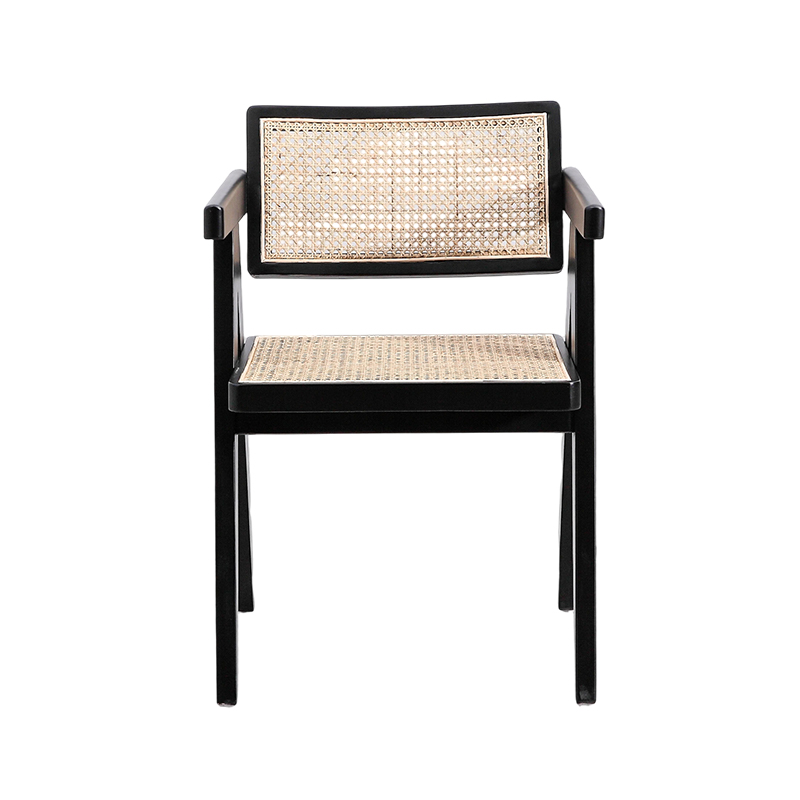
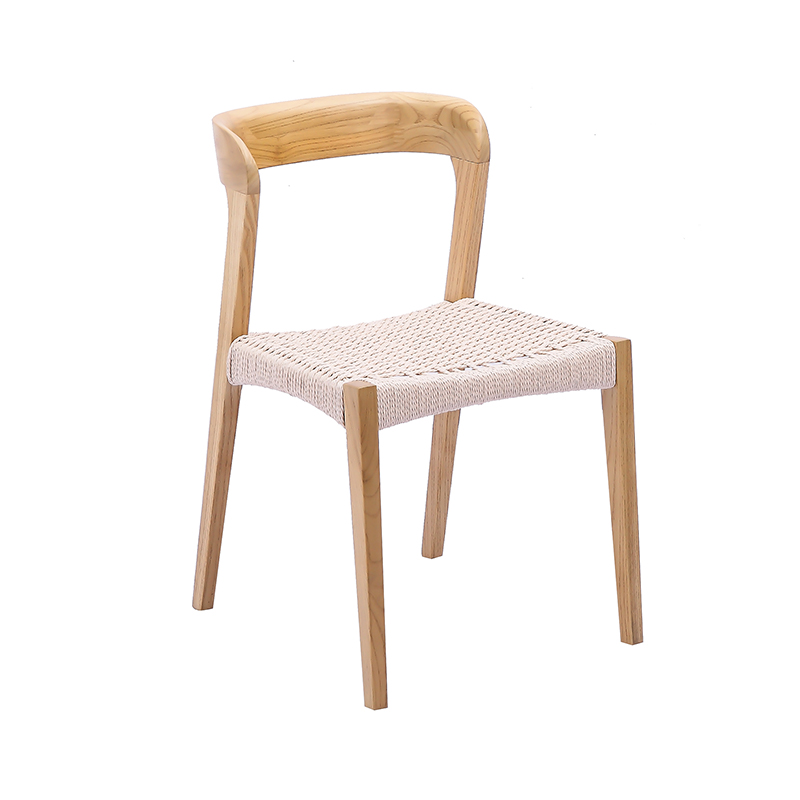
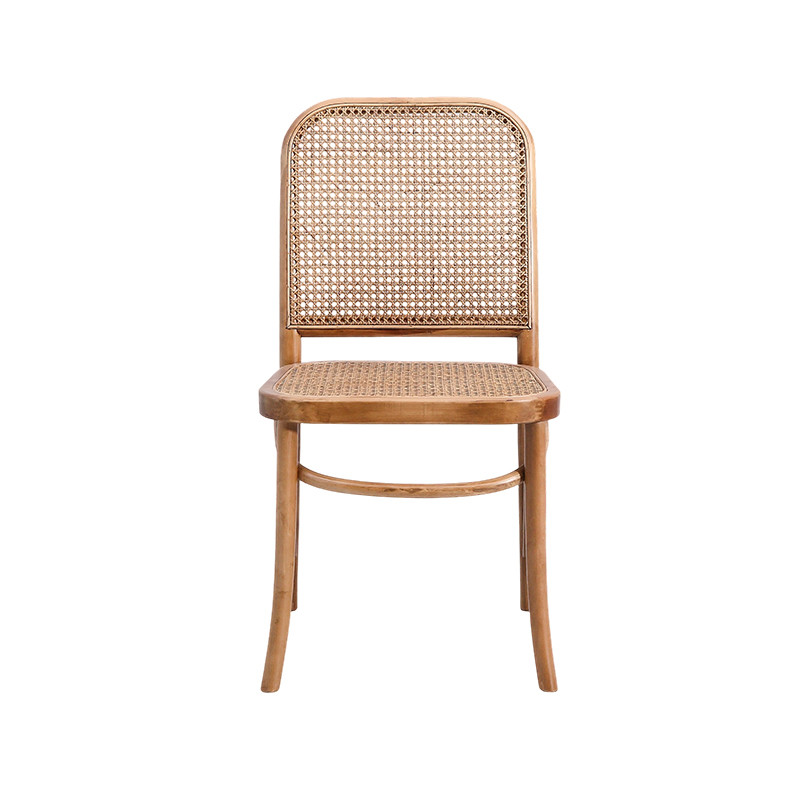
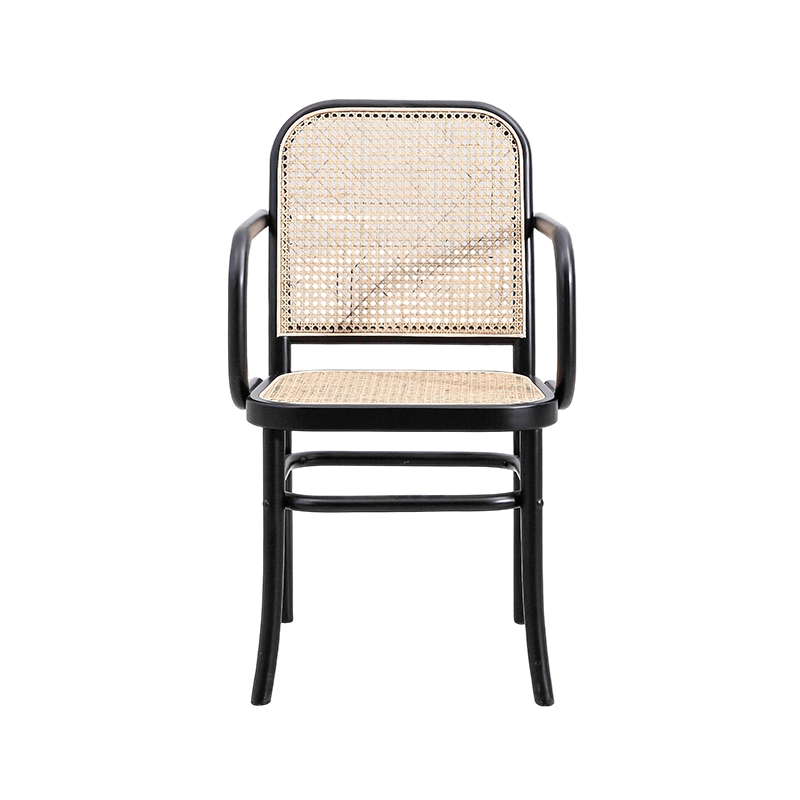
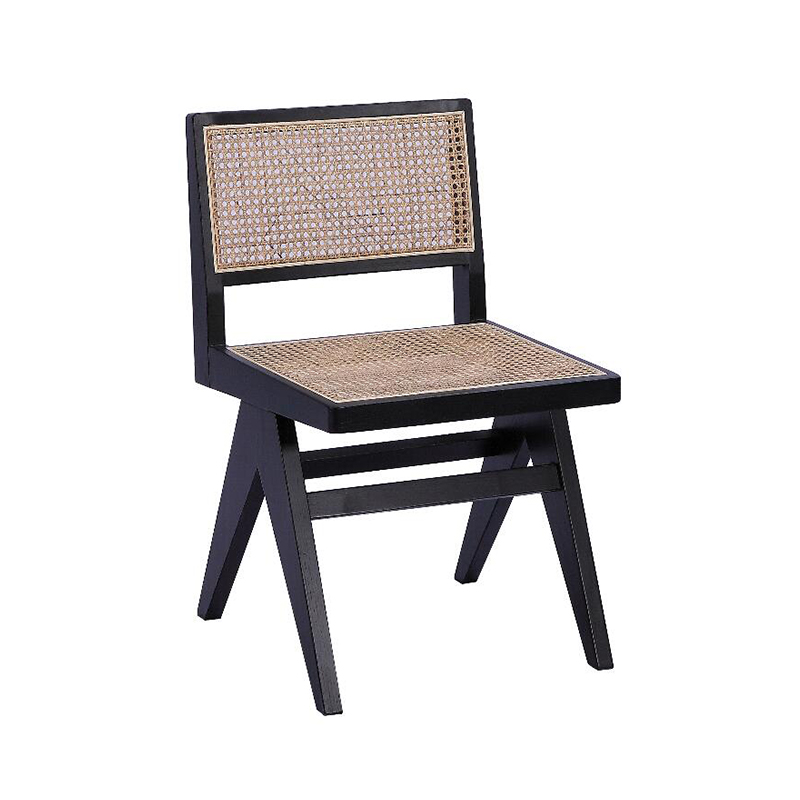
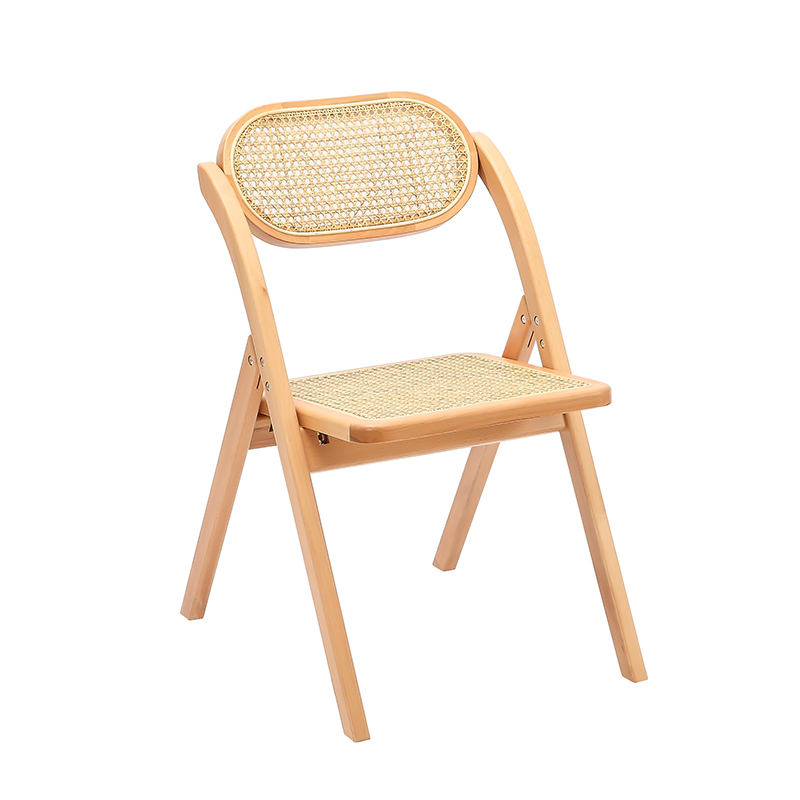
This is the most common confusion in the industry. Rattan is the raw material — a solid-core climbing palm. Wicker is the weaving technique, not a material — it can use rattan, bamboo, willow, or synthetic fibers. Bamboo is a hollow-stemmed grass that is structurally different from rattan. When procuring rattan furniture, verify that the supplier distinguishes between these terms accurately in their product descriptions — confusion often indicates a lack of material expertise. At Changshun, our Woven Wood Dining Chairs combine solid wood frames with genuine rattan weaving, representing the intersection of these material traditions.
Is natural rattan furniture suitable for outdoor use?+
Natural rattan furniture is best suited for indoor or covered outdoor spaces (under a roof, pergola, or lanai) where it is protected from direct rain and prolonged UV exposure. Even with marine-grade lacquer finishing, natural rattan will fade, become brittle, and eventually crack if exposed to direct sunlight and moisture for extended periods. For fully exposed outdoor applications, we recommend synthetic PE rattan with UV stabilizers, which maintains color and structural integrity for 5–8 years outdoors. Many of our hospitality clients specify natural rattan for indoor dining areas and synthetic PE for poolside and terrace zones to maintain visual continuity.
What is the typical MOQ and lead time for OEM rattan furniture orders?+
At Changshun, our standard MOQ is 100 pieces per design for existing catalog models and 300 pieces per design for custom OEM developments. Mixed container loading is available — you can combine multiple chair and table designs to reach a full 20-foot or 40-foot container. Lead times: 30–40 days for catalog models, 45–60 days for custom OEM orders (including prototyping and sample approval). Peak season (June–October) may add 10–15 days. We recommend placing orders by February for April–May delivery to capture the summer retail and hospitality season.
How do I maintain and clean natural rattan furniture?+
Proper maintenance extends the service life of natural rattan furniture to 15 plus years. Key protocols: (1) Weekly dusting with a soft-bristle brush or vacuum with upholstery attachment to remove debris from weave crevices. (2) Quarterly cleaning with a damp (not wet) microfiber cloth and mild soap solution — never soak the rattan, as absorbed moisture causes swelling and subsequent cracking upon drying. (3) Annual inspection of joints for looseness and finish for wear; reapply clear lacquer to high-wear areas (armrests, seat edges) as needed. (4) Humidity control — maintain 40–60% relative humidity in indoor environments to prevent rattan from becoming brittle (too dry) or developing mold (too humid).
Can you match a specific Pantone color for synthetic rattan furniture?+
Yes — custom color matching is a core capability of our OEM Woven Wood Chairs Factory. We can match any Pantone color code for synthetic PE rattan extrusion, with a Delta E tolerance of less than 1.5. The color matching process requires a 500kg minimum extrusion run per color, which typically covers 800–1,200 chairs depending on design. Lead time for custom color development: 10–15 working days for lab sample approval, then 20–25 working days for production extrusion. There is a one-time color development fee of $300 per color, which is credited against orders exceeding 1,000 pieces in that color.
What wood species do you use for rattan chair frames?+
Our standard frame wood is Malaysian rubberwood (Hevea brasiliensis) — a sustainable hardwood byproduct of the latex industry with excellent dimensional stability and screw-holding capacity. For premium collections, we offer European ash (Fraxinus excelsior) and American white oak (Quercus alba) — both available FSC-certified. All wood frames are kiln-dried to 8–10% moisture content and undergo a three-coat finishing process: sanding sealer, stain (if colored), and two-component acid-catalyzed lacquer topcoat for durability. Wood frame warranty: 5 years against structural failure under normal residential use.
Do you provide assembly instructions for KD rattan furniture?+
Yes — all KD (knock-down) rattan furniture shipments include illustrated assembly instructions in English, with optional translations available in German, French, Spanish, and Japanese. Instructions are printed on 170gsm art paper in booklet format. We also provide a QR code link to an assembly video hosted on our server, which can be white-labeled with your brand. Assembly hardware (Allen key, bolts, washers) is included in a blister-pack within each carton. Typical assembly time for a dining chair is 8–12 minutes for a consumer with basic DIY skills; we design for 6 or fewer fastener types to minimize confusion.
What testing standards do your rattan chairs comply with?+
Our rattan furniture is tested to meet or exceed the following standards depending on the target market: ANSI/BIFMA X5.4 (residential seating — 136kg static load, 75,000-cycle durability), EN 12520 (European domestic seating — 110kg static load, 50,000-cycle durability), and EN 16139 (contract seating — Level 2 for high-intensity use). Test reports from accredited third-party laboratories (SGS, TUV, Bureau Veritas) are available for existing catalog models. For custom OEM designs, testing can be arranged at the buyer's cost with a 15-working-day turnaround.
8. Strategic Outlook and Procurement Recommendations
The global rattan furniture market is projected to maintain a compound annual growth rate of 5.8% through 2030, driven by the biophilic design movement, hospitality sector expansion in Southeast Asia and the Middle East, and increasing consumer preference for natural materials over plastics. However, tightening sustainability regulations and rattan supply constraints mean that procurement teams must prioritize supplier relationships with demonstrated raw material traceability, species-appropriate material selection expertise, and the manufacturing craftsmanship to deliver consistent quality at scale. In an era where a single negative review about frame cracking or weave unraveling can damage a brand's reputation, the procurement premium for verified quality rattan furniture from an established Woven Wood Dining Chairs Manufacturer is not a cost — it is an insurance policy on your brand equity.
7-Point Rattan Furniture Supplier Evaluation Checklist
- Request species-specific rattan certification — verify Calamus manan for frames and Calamus caesius for weaving.
- Inspect joint construction methodology — demand dowel plus epoxy plus peel binding, not staples alone.
- Verify rattan moisture content at 8–10% with a pin-type moisture meter during factory audit.
- Confirm finish specification — three-coat system minimum for indoor use, marine-grade for covered outdoor.
- Review CITES and EUDR compliance documentation for the specific rattan species being sourced.
- Request third-party test reports to ANSI/BIFMA or EN standards appropriate for your target market.
- Choose an integrated manufacturer like Hangzhou Changshun Furniture Co., Ltd. that controls design, material procurement, frame construction, weaving, finishing, and packaging under one quality management system — eliminating the coordination risk of multi-vendor supply chains.
Develop Your Custom Rattan Furniture Collection with Changshun
Whether you are a hospitality group specifying 500 plus dining chairs for a resort property, a furniture brand developing an exclusive rattan furniture collection, or an e-commerce retailer seeking KD-ready designs for container-direct import — Hangzhou Changshun Furniture Co., Ltd. provides end-to-end OEM manufacturing from prototype development through container loading. As a specialized Woven Wood Dining Chairs Manufacturer and OEM Woven Wood Chairs Factory in China, we combine natural and synthetic rattan expertise with solid wood craftsmanship. Submit your design brief today for a complimentary manufacturability assessment, prototype timeline, and FOB quotation within 5 working days.
2026 Hangzhou Changshun Furniture Co., Ltd. | Integrated Manufacturer and Trading Company | Wooden and Rattan Chairs and Tables | OEM Woven Wood Chairs Factory in China | All specifications based on in-house production data and third-party testing | FSC Certified Materials Available | Specifications subject to change without notice.







 +86-571-63521858
  furniture@hzchangshun.com
  No. 88, Zhumufan, Yushan Township, Fuyang District, Hangzhou City, Zhejiang Province, China