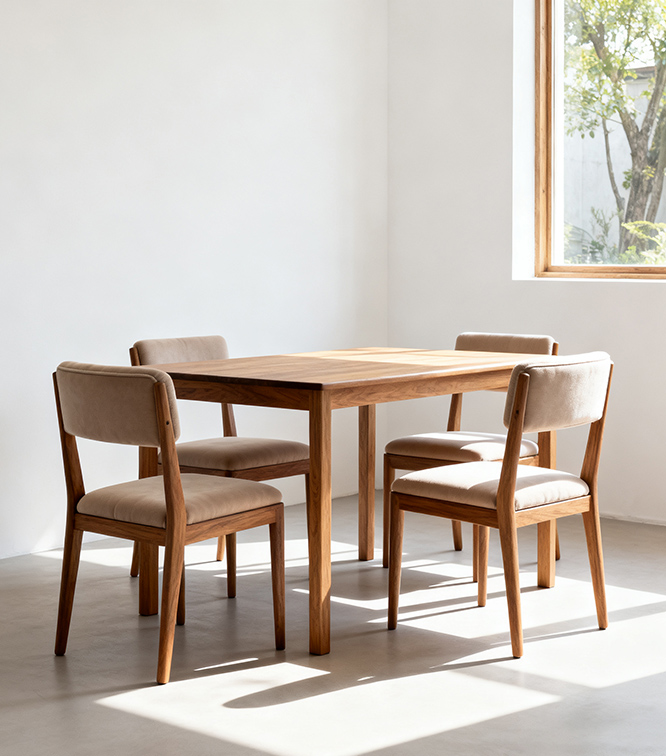
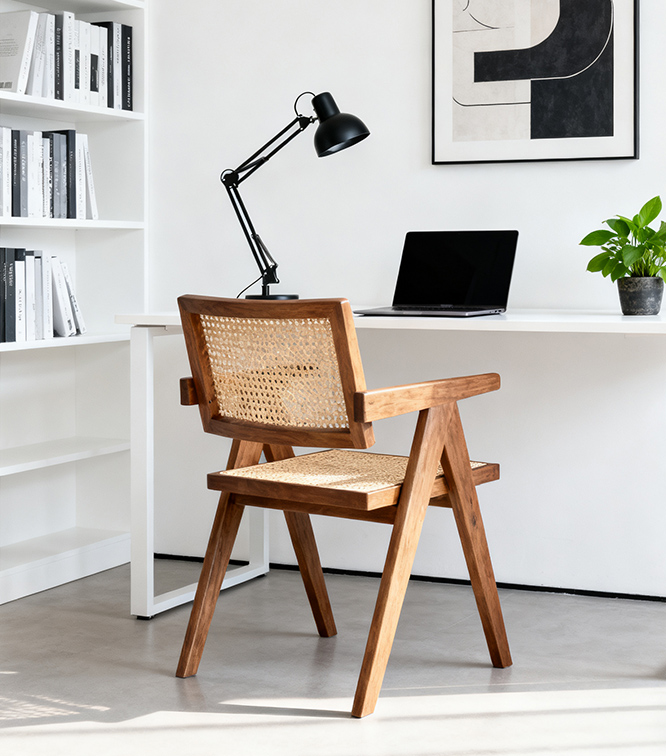
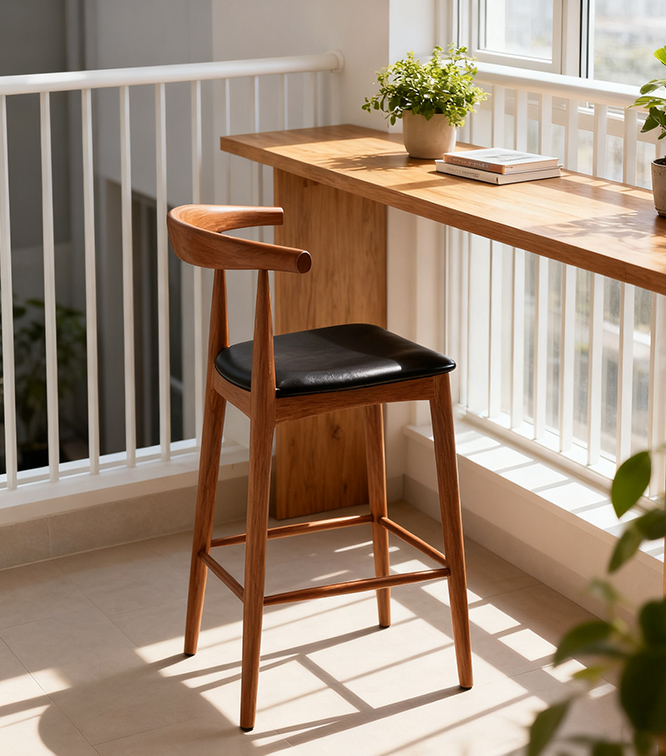
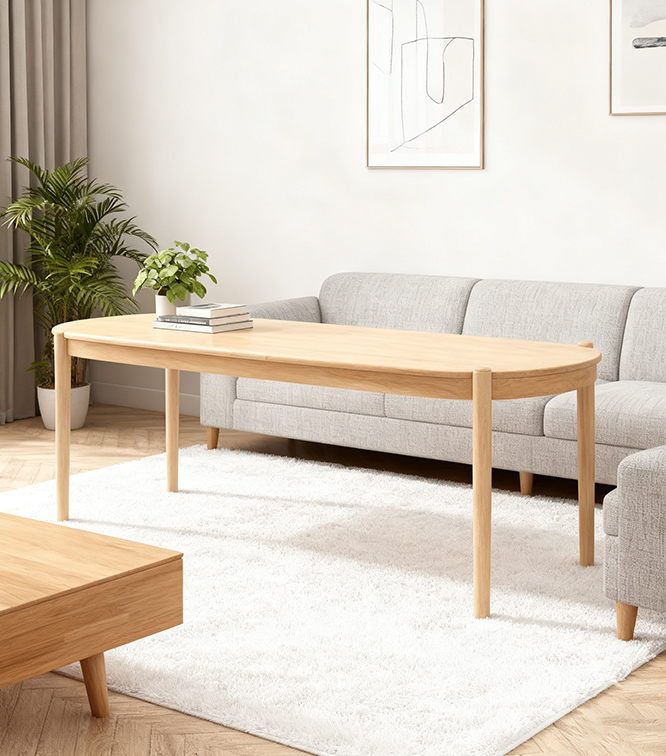
Our Collections
Wood Chair
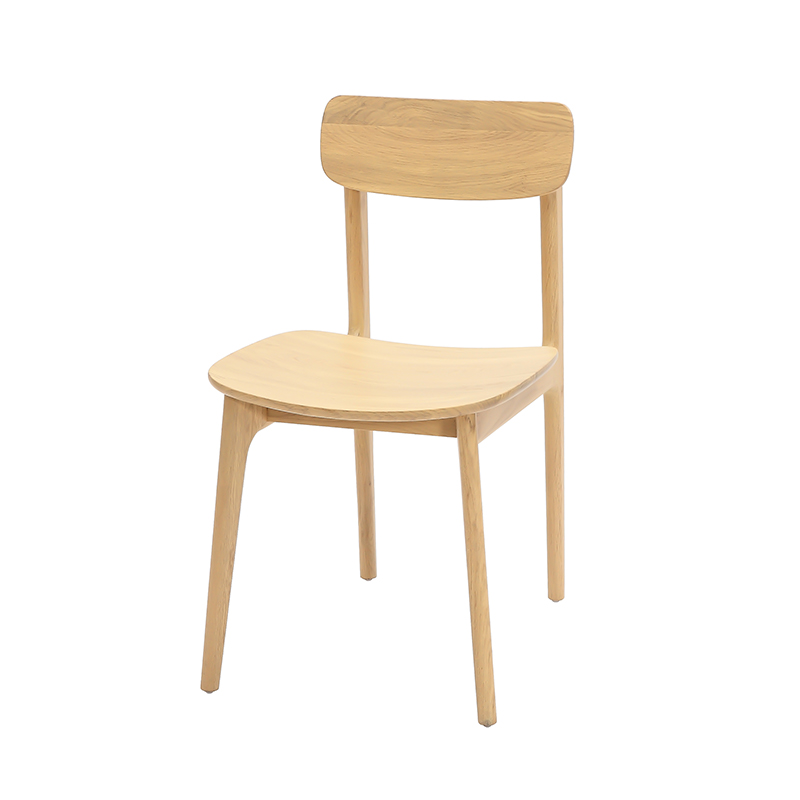
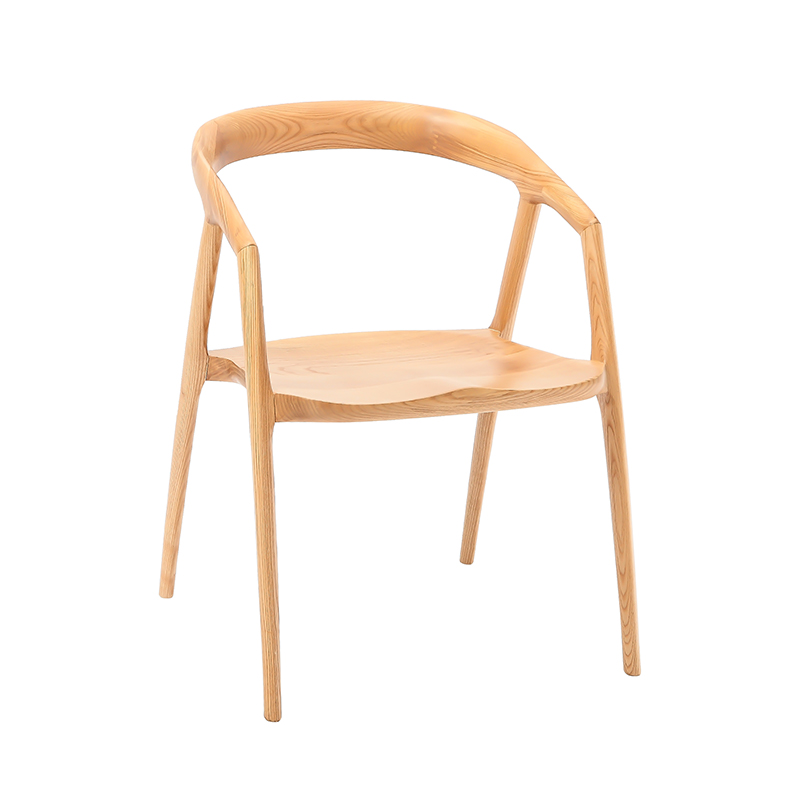
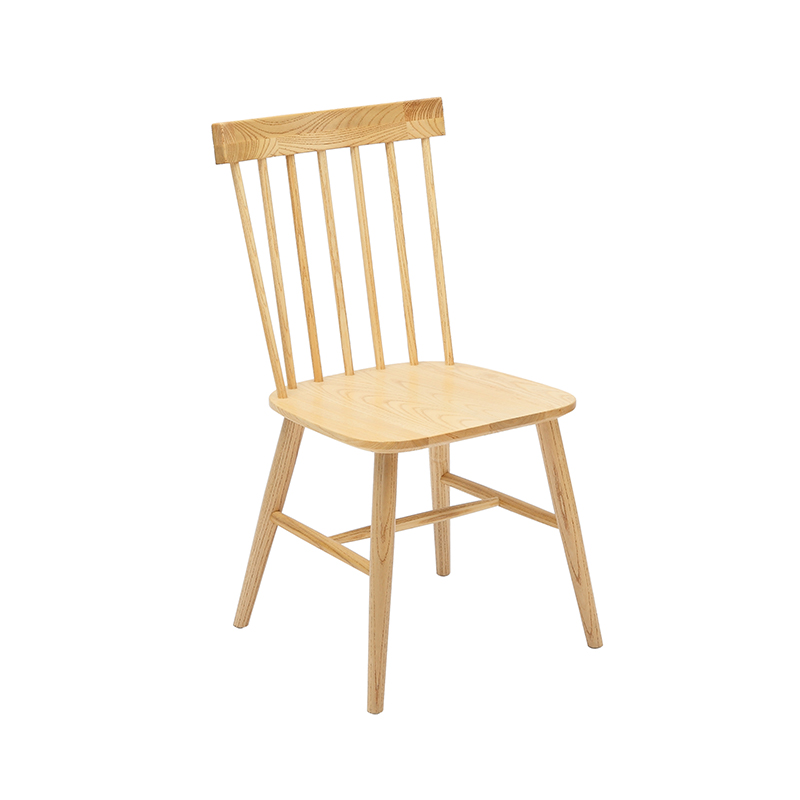
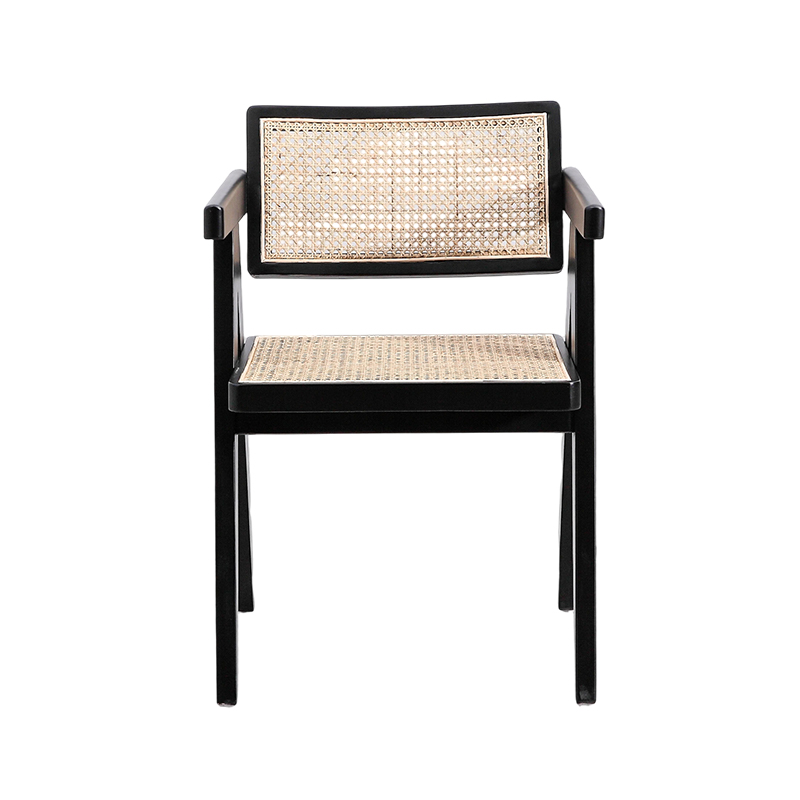
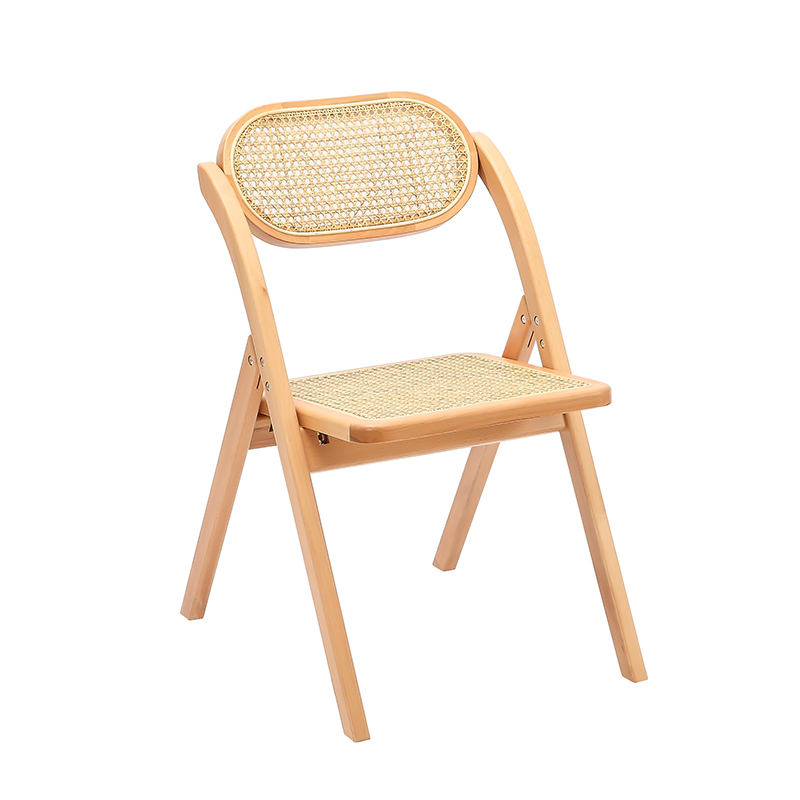
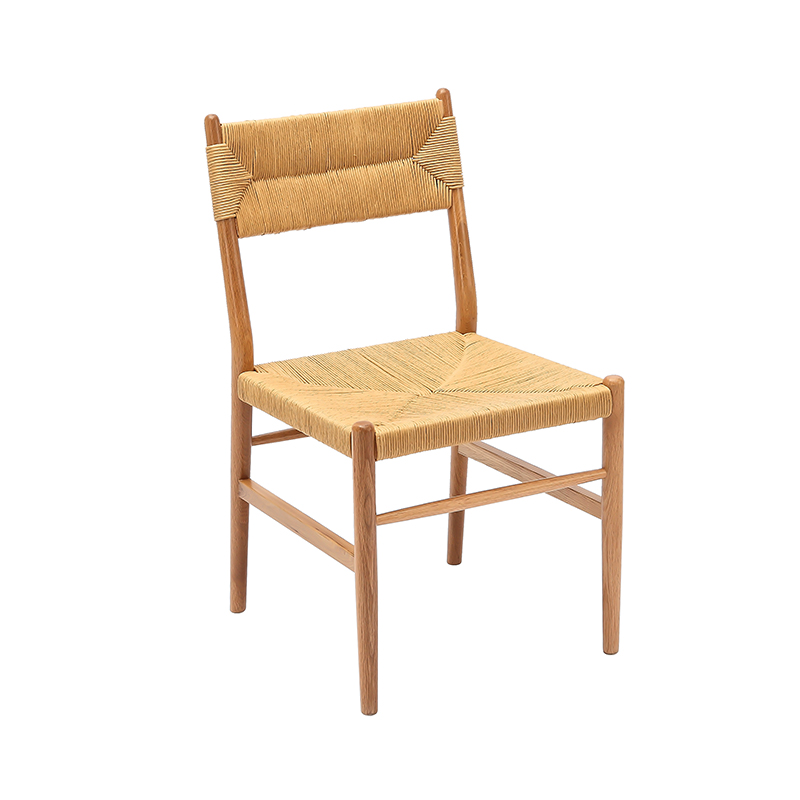
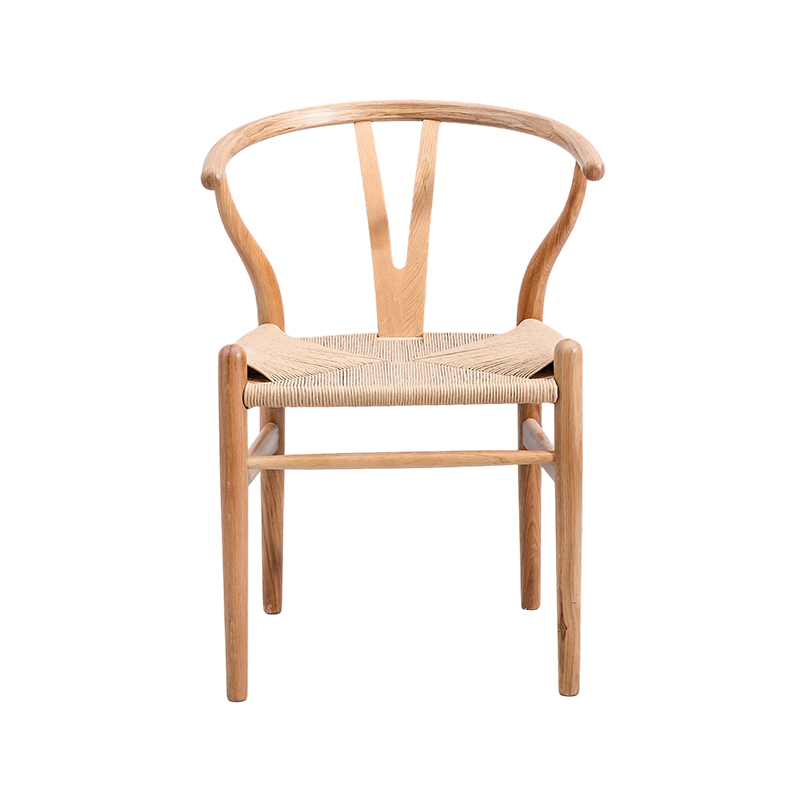
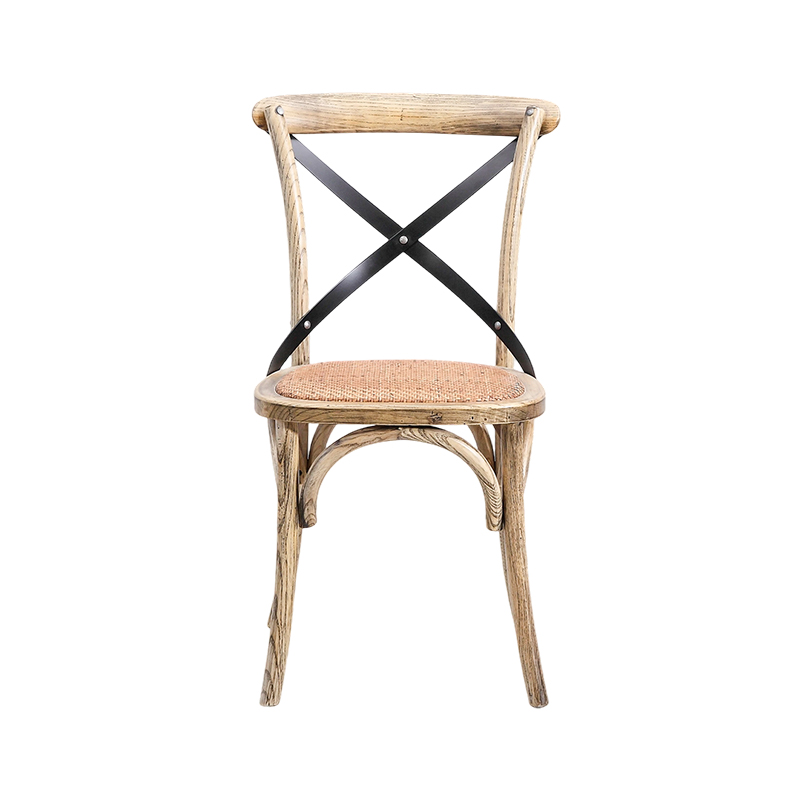
The Wood Chair series celebrates the authenticity of craftsmanship and the tactile beauty of natural materials. These chairs emphasize structure and form, embracing the inherent elegance of solid wood with various traditional and contemporary weaving techniques.
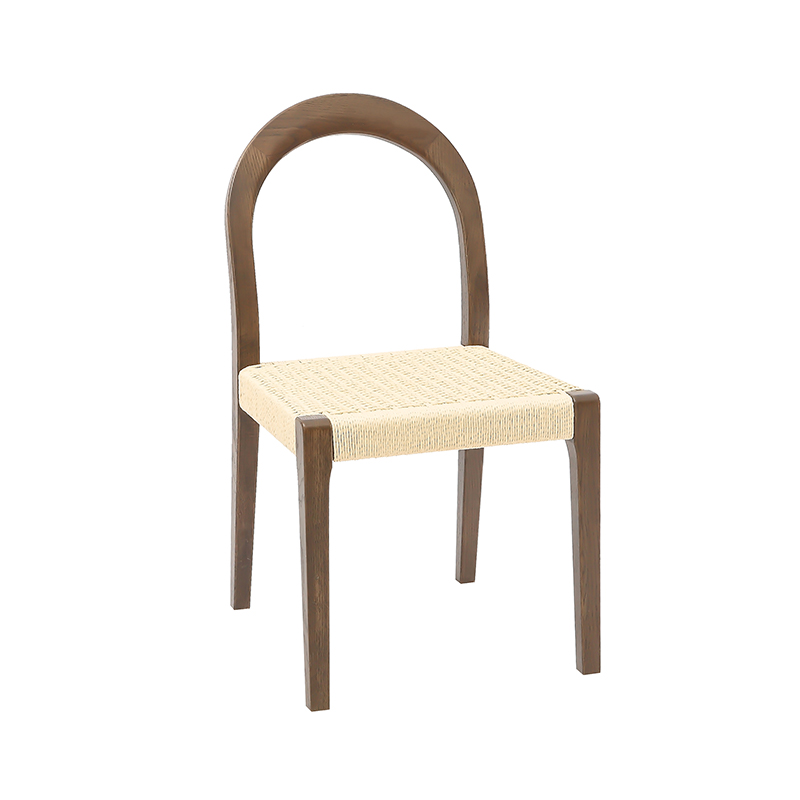
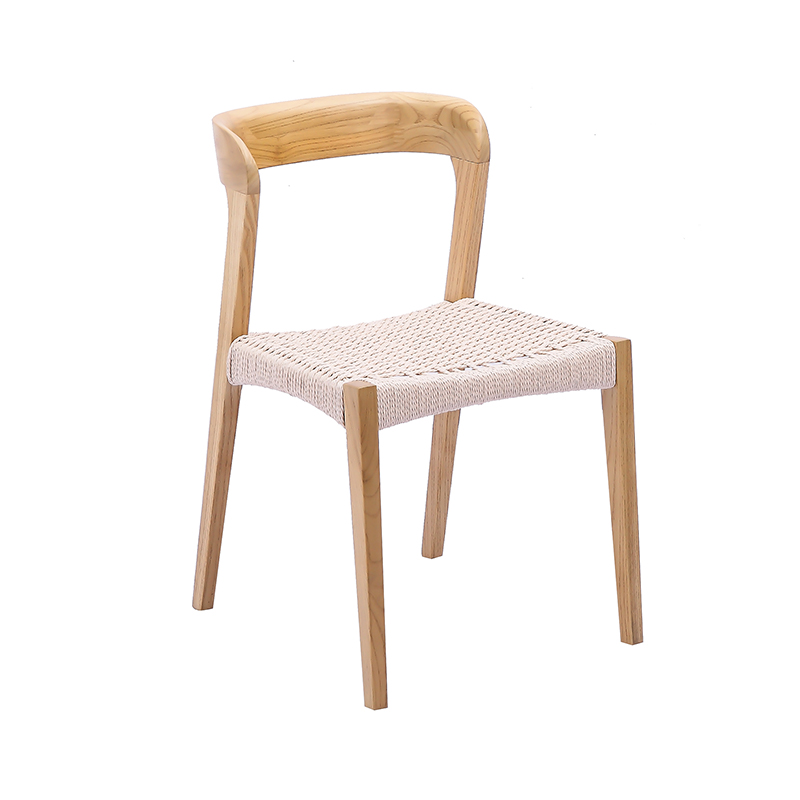
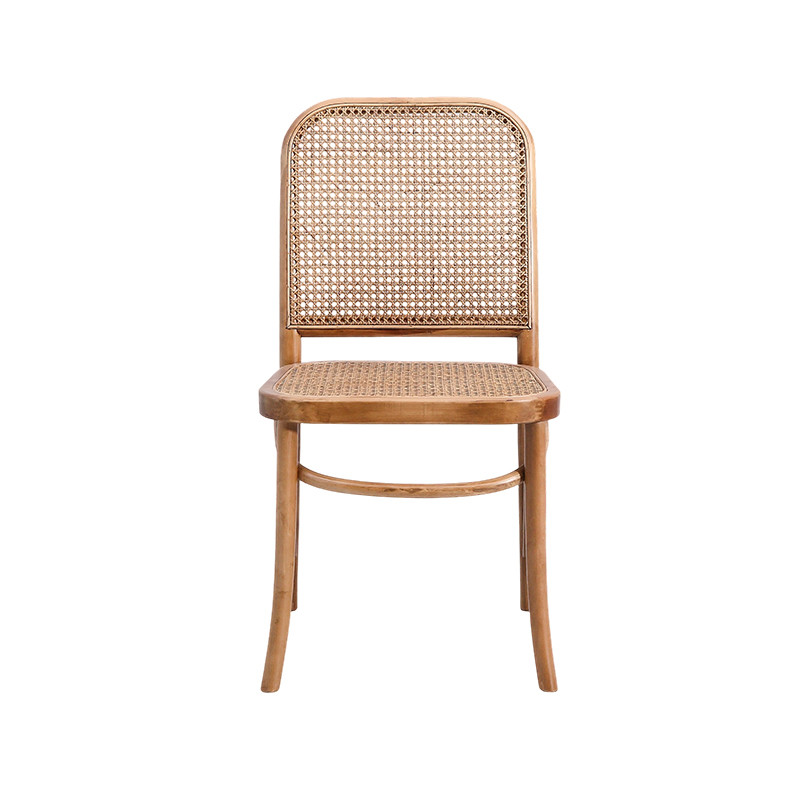
Each chair showcases a unique personality through subtle design distinctions — from gently dipped seats that conform to the body, to the raw texture of hand-woven rattan. These choices reflect a deep respect for artisanal detailing and everyday function.
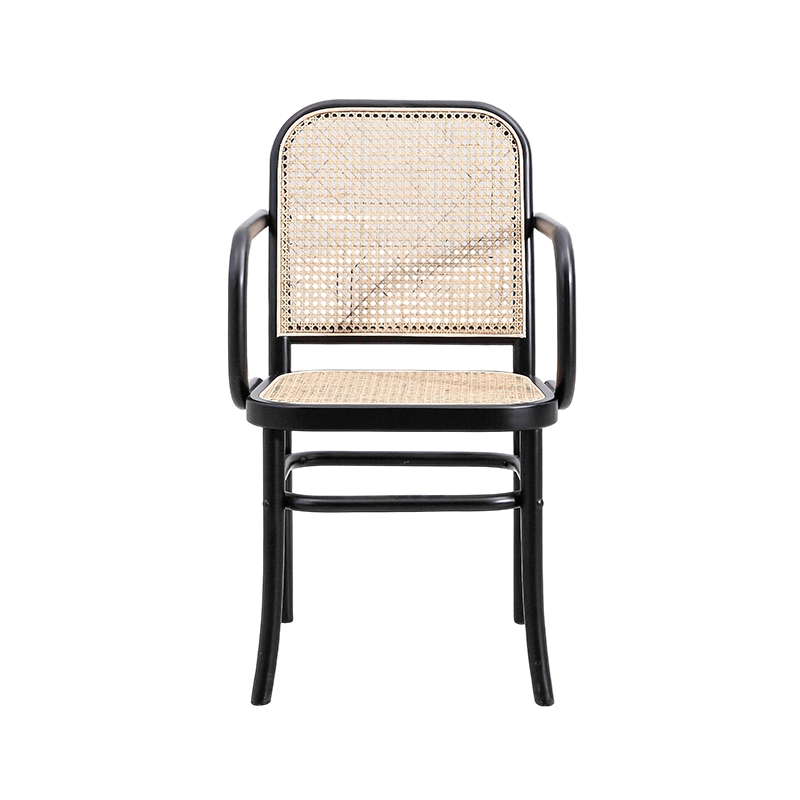
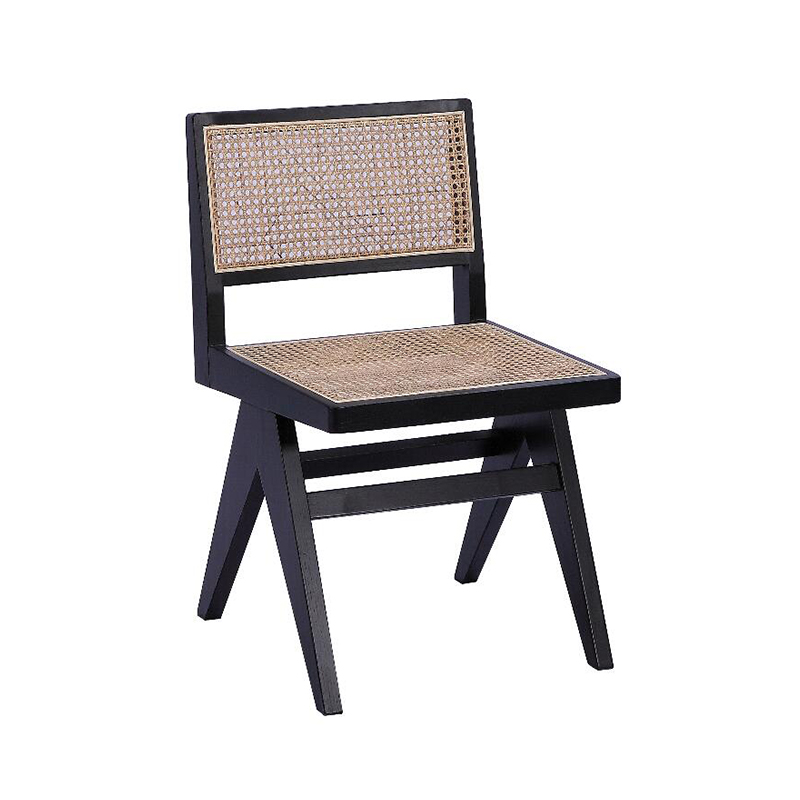
This collection highlights how material combinations such as rattan, rope, and wood can coexist harmoniously. The contrasting textures create visual rhythm, while the refined construction ensures durability and ergonomic comfort in daily use.
While maintaining minimalistic silhouettes, these chairs also capture rustic charm and cultural undertones, making them ideal for both modern interiors and natural-themed settings. Their quiet presence speaks of timeless design rooted in tradition.
About Changshun
Your Trustworthy Company
Hangzhou Changshun Furniture Co., Ltd. is an integrated manufacturer and trading company engaged in the design, development, production, and sales of wooden and rattan chairs and tables. Woven Wood Dining Chairs Manufacturers and OEM Woven Wood Chairs Factory in China.
Our products emphasize meticulous design and utilize eco-friendly materials to ensure safety and health. Additionally, we provide premium after-sales service to address any issues during use, ensuring customers enjoy a worry-free shopping experience.
With over two decades of dedicated effort, Hangzhou Changshun Furniture Co., Ltd. has successfully expanded its market to Europe, North America, Southeast Asia, and the Middle East, earning consistent acclaim from clients. Supply Woven Wood Chairs Wholesale, OEM Woven Wood Chairs. Backed by strong technical expertise, advanced production equipment, a professional workforce, and high-quality products and services, the company has become a high-quality enterprise in Zhejiang Province's furniture manufacturing industry. Our products enjoy a strong reputation in international markets and have won the trust and support of a broad customer base.
Industry knowledge
Hangzhou Changshun Furniture Co., Ltd. is a China-based Wood Chair manufacturer producing solid wood and woven rattan seating for residential, hospitality and contract projects. Our range covers dining chairs, accent chairs, armchairs and bar stools, supplied to importers, distributors, interior contractors and OEM buyers across Europe, North America, Southeast Asia and the Middle East.
Every chair is built around a defined working point: destination market, intended use intensity, timber species, weave pattern, finish and packing format. We develop, produce and export from our own facility in Fuyang, Zhejiang, with an integrated manufacturing and trading model that keeps sampling, production and documentation under one roof.
The collection is organised by construction type and contact surface, so specifiers can match a chair to a room programme rather than to a single look. Seat-dip models use a gently curved solid wood seat; woven models combine a hardwood frame with rattan, rope or braided base detailing.
| Range / Model | Construction | Typical Application |
|---|---|---|
| Arc Seat Dip Wood Chair | Solid wood frame, dipped seat, 46×54×80 cm | Dining rooms, studies, cafe seating |
| Hip Fitting Seat Dip Wood Chair | Ergonomic dipped seat, rounded edges, 54×60×75 cm | Home, office and leisure spaces |
| Braiding Style Base Wood Chair | Hand-woven braided base, polished frame, 48×56×87 cm | Living rooms, balconies, lounge areas |
| Hand-Woven Base Wood Chair | Hand-woven base, solid wood upper frame | Boutique hospitality, retail display |
| Spindle Back Wood Chair | Turned spindle back, solid wood seat | Dining sets, farmhouse and classic interiors |
| Woven Rattan Base Wood Chair | Rattan weave base, hardwood frame | Resort, cafe and natural-themed interiors |
| Black Frame Woven Rattan Wood Chair | Black-finished frame, woven rattan panels | Contemporary dining, contract fit-outs |
| Scissor Leg Wood Chair with Woven Rattan | Scissor-leg base, woven rattan seat/back | Design-led residential and retail projects |
| Rattan Woven Decoration Wood Chair with Armrest | Armrest frame, decorative rattan weaving | Lounge, hotel rooms, waiting areas |
| Folding Wood Chair with Rattan Contact Surface | Folding frame, rattan seat surface | Flexible seating, event and balcony use |
| Tribal Style Rope Woven Wood Chair | Rope weaving over solid wood frame | Boutique interiors, accent seating |
| Classical Stitching Woven Wood Chair | Stitched weave detailing, solid wood frame | Traditional and transitional dining rooms |
| Cross Back Dining Chair with Rattan Mat | Cross-back frame, rattan mat seat | Restaurant, bistro and dining programmes |
Wood chair performance is decided long before assembly. Timber is kiln-dried to a moisture content matched to the destination market: approximately 6–8% MC for centrally heated interiors in Northern Europe and North America, and 10–12% MC for humid Southeast Asian and Middle Eastern climates. In-line moisture meters verify each batch before joint cutting, which is where most long-term wobble and joint-gap complaints originate.
Dimensions, load targets and finish are locked at sampling stage. The table below shows the parameters we use to translate a project brief into a production-ready specification.
| Parameter | Typical Range / Option | Why It Matters |
|---|---|---|
| Seat height | 440–480 mm dining; bar stool variants available | Legroom and table clearance |
| Seat depth | 420–450 mm | Avoids popliteal pressure |
| Backrest angle | 5–8° from vertical | Reduces lumbar compression |
| Front edge radius | 20–25 mm waterfall profile | Prevents leg numbness |
| Moisture content | 6–8% or 10–12% by market | Joint stability over seasons |
| Load testing | EN 16139 / ANSI-BIFMA X5.1 levels | Residential vs contract durability |
We produce from our own catalogue and develop new wood chair models from customer drawings or samples. Configuration decisions are made jointly with the buyer during sampling, then frozen for the production run.
Five inspection stages run across every order: raw material inspection, prototype testing, in-process inspection, finished product inspection and final pre-shipment inspection. Our QC staff are placed at each production step, and the four production lines — blanking, production, painting and packaging — are differentiated so that quality and quantity checks keep pace with the schedule.
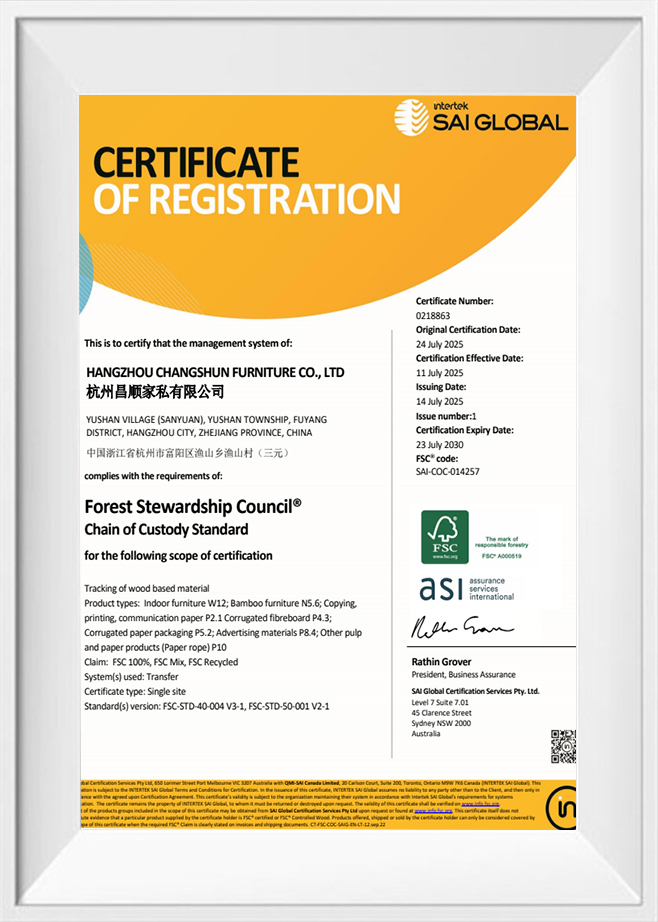
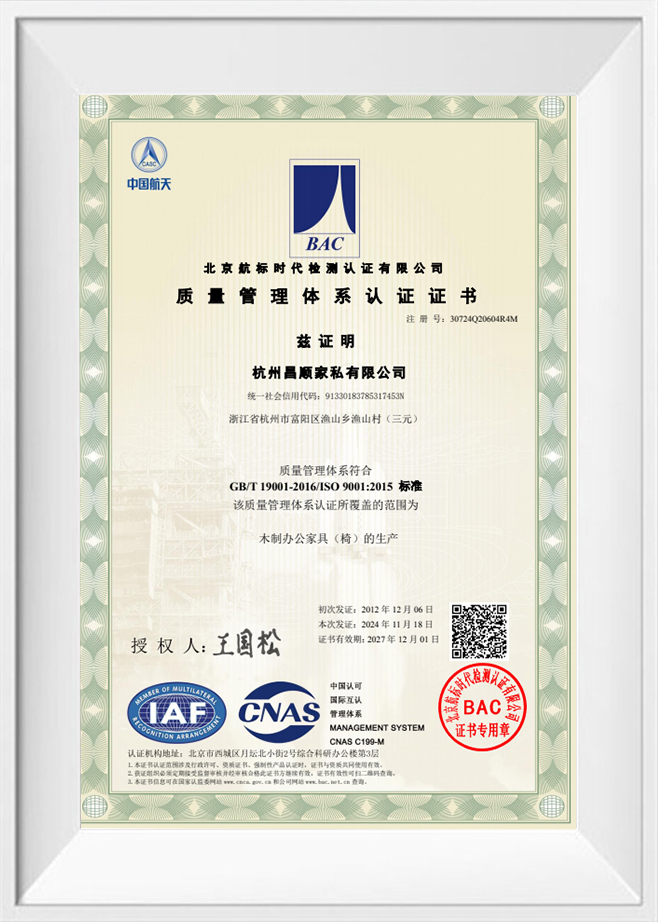
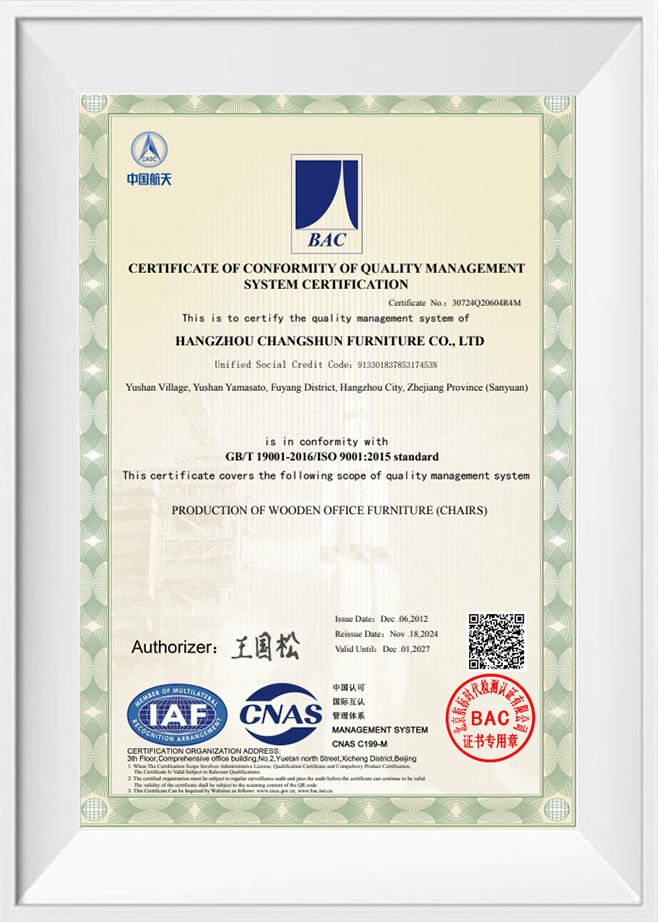
We hold Quality Management System certification and maintain FSC Chain of Custody documentation and CARB-compliant adhesive and finish specifications. Test reports, certificate copies and inspection records are prepared as part of standard order documentation.
A precise proposal depends on project inputs rather than catalogue browsing. We use the following information to select models, confirm materials and prepare a quotation.
Solid wood and woven chairs are serviceable when joints are mechanically sound and finishes are repairable. We supply replacement components and matching finish materials for repeat programmes, and our after-sales team responds to usage issues with practical guidance on tightening, refinishing and weave repair.
For contract buyers, we recommend specifying a small percentage of spare units per order to cover transit damage and wear, and we can pack spares separately for site-level replacement.
The Wood Chair range sits alongside three complementary families produced in the same facility, allowing a project to be specified from one source.
Minimum order depends on the model, finish and packing format. Catalogue models can be combined within a container, while fully custom frames and weaves are quoted per project. Send the model reference, quantity and destination market and we will confirm the workable order structure.
Yes. We develop and produce from customer drawings or physical samples, covering frame geometry, seat shape, weave pattern, finish and branding. Prototype testing verifies design accuracy and functional performance before the production run is released.
We hold Quality Management System certification and maintain FSC Chain of Custody documentation. Adhesives and finishes are specified to CARB Phase 2 and TSCA Title VI limits for regulated markets. Structural testing can be arranged to EN 16139 or ANSI/BIFMA X5.1 levels when a project requires it.
Timber is kiln-dried to a target moisture content matched to the destination climate — approximately 6–8% for dry, centrally heated interiors and 10–12% for humid regions. In-line moisture meters verify each batch at the machining stage before joint cutting.
Trade terms are confirmed at quotation, typically FOB, CIF or CNF. For mass production, the standard arrangement is a 30% deposit before production and 70% balance against a copy of documents, by T/T; L/C is also acceptable.
Our team replies within 12 hours on working days. For faster configuration, include the model or drawing, quantity, destination market, compliance requirements and target delivery window in your first message.




Innovation Oriented, Quality As Life.
Feel free to reach our if you want to collaborate with us, or simply have a chat.
Become a Client 
Product Category
Wood Upholstered Chair
Woven Wood Chair
Wood Bar Stools
Wood Table
FSC Certified Wood Chairs
Wooden Rattan Chairs
Solid Wood Dining Chair
Modern Wooden Dining Chair
Contact Information
 +86-571-63521858
+86-571-63525898
 furniture@hzchangshun.com
emilypeng@hzchangshun.com
 No. 88, Zhumufan, Yushan Township, Fuyang District, Hangzhou City, Zhejiang Province, China


 EN
EN

 English
 中文简体
中文简体 Español