
 EN
EN

 English
 中文简体
中文简体 Español
Hangzhou Changshun Furniture Co., Ltd.
Content
- 1 Executive Conclusion: What Buyers Must Know Before Purchasing a Wood Bar and Wooden Bar Stools
- 2 Core Engineering and Design Principles Behind Wood Bar and Wooden Bar Stools
- 3 Wood Bar and Wooden Bar Stools Comparison: Solid Wood, Veneer, Metal-Wood, and Upholstered Options
- 4 Hidden Procurement Metrics: Why Wooden Bar Stools Fail or Succeed
- 5 Market Application Distribution for Wood Bar Projects and Wooden Bar Stools
- 6 ROI Analysis and Step-by-Step Selection Guide for Wood Bar and Wooden Bar Stools
- 6.1 Example Scenario
- 6.2 Cost Comparison
- 6.3 Buyer Insight
- 6.4 Seven-Step Procurement Timeline
- 6.4.1 Step 1: Define the Usage Environment
- 6.4.2 Step 2: Confirm Counter Height and Stool Height
- 6.4.3 Step 3: Choose the Right Material Structure
- 6.4.4 Step 4: Evaluate Ergonomics and Comfort
- 6.4.5 Step 5: Test Finish and Load Performance
- 6.4.6 Step 6: Approve Pre-Production Samples
- 6.4.7 Step 7: Arrange Packaging, Delivery, and After-Sales Support
- 7 Maintenance, Safety, and Compliance Recommendations for Wooden Bar Stools
- 8 Wood Bar and Wooden Bar Stools FAQs
- 9 Final Recommendation: Build a Wood Bar and Wooden Bar Stools Strategy That Delivers Long-Term Value
Wood Bar & Wooden Bar Stools: Commercial Procurement Guide for Durability, Comfort, and ROI
For hotels, restaurants, and residential projects, a well-planned wood bar paired with comfortable wooden bar stools can improve social flow, brand perception, and commercial value. This guide helps buyers evaluate wood bar counters and wooden bar stools by material stability, joinery, finish, ergonomics, safety, and total cost of ownership. Hangzhou Changshun Furniture Co., Ltd. shares practical procurement insights for OEM, wholesale, and project buyers who need durable, attractive, and budget-smart bar furniture solutions.
Executive Conclusion: What Buyers Must Know Before Purchasing a Wood Bar and Wooden Bar Stools
A wood bar is more than a decorative counter, and wooden bar stools are more than extra seating. Together, they form a functional zone that affects customer dwell time, service efficiency, maintenance cost, and brand image. In commercial projects, poor procurement decisions can lead to unstable stools, damaged finishes, uncomfortable seating heights, and frequent replacements. In residential projects, the wrong combination can waste space and reduce daily usability.
Core Conclusion: The best wood bar and wooden bar stools are selected as one system, not as separate products. Buyers should match counter height, stool seat height, leg clearance, material durability, finish resistance, load capacity, and maintenance requirements. For commercial buyers, total cost of ownership matters more than lowest unit price. A well-built wooden bar stool may cost more initially but can reduce replacement risk, improve guest comfort, and protect the long-term value of the project.
Height Compatibility
The relationship between wood bar counter height and wooden bar stool seat height is critical. A mismatch can cause discomfort, poor leg clearance, and unsafe use. Standard bar counters usually require stools with a lower seat height than the counter surface, leaving enough knee space.
Material Stability
Solid wood, veneer, engineered wood, and mixed-material construction each have advantages. Buyers should consider humidity, cleaning frequency, and usage intensity. Stable materials and proper moisture control reduce warping, cracking, and finish failure.
Structural Joinery
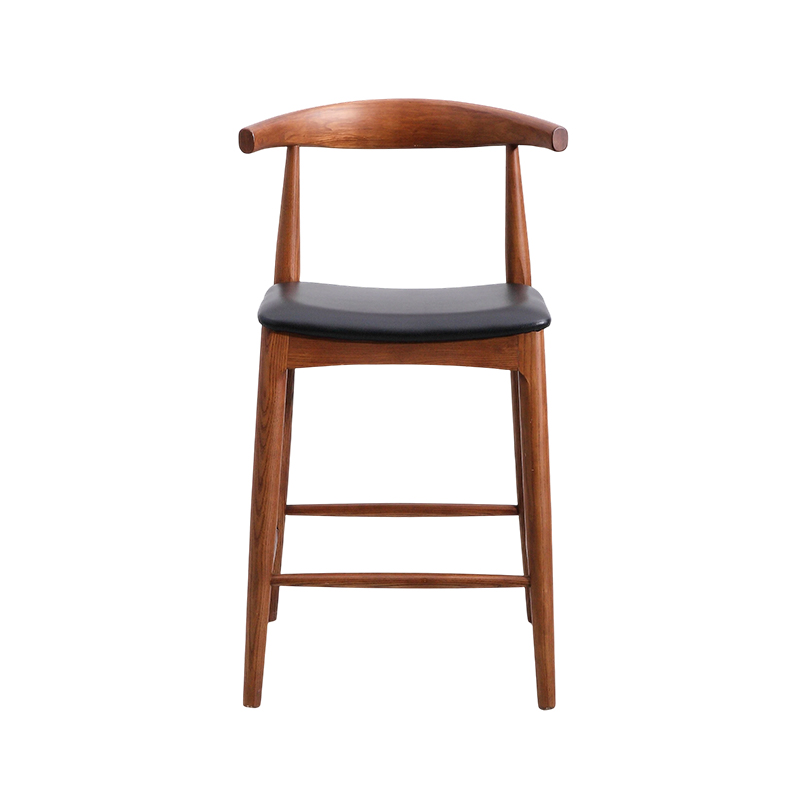
Wooden bar stools must withstand repeated sitting, shifting, and lateral movement. Mortise-and-tenon joints, dowel reinforcement, corner blocks, and metal hardware can improve service life. Weak joints are one of the main reasons commercial stools fail early.
Supplier Capability
For OEM and wholesale projects, the supplier should provide consistent sizing, finish samples, packaging standards, and quality inspection. Hangzhou Changshun Furniture Co., Ltd. supports buyers who need practical wood bar and seating solutions with commercial usability.
Core Engineering and Design Principles Behind Wood Bar and Wooden Bar Stools
A successful wood bar project combines aesthetics, ergonomics, and structural performance. The visual style attracts attention first, but the long-term experience depends on dimensions, materials, and construction quality. Buyers should evaluate both the visible design and the hidden engineering details before placing an order.
Wood Species, Veneer, and Moisture Control
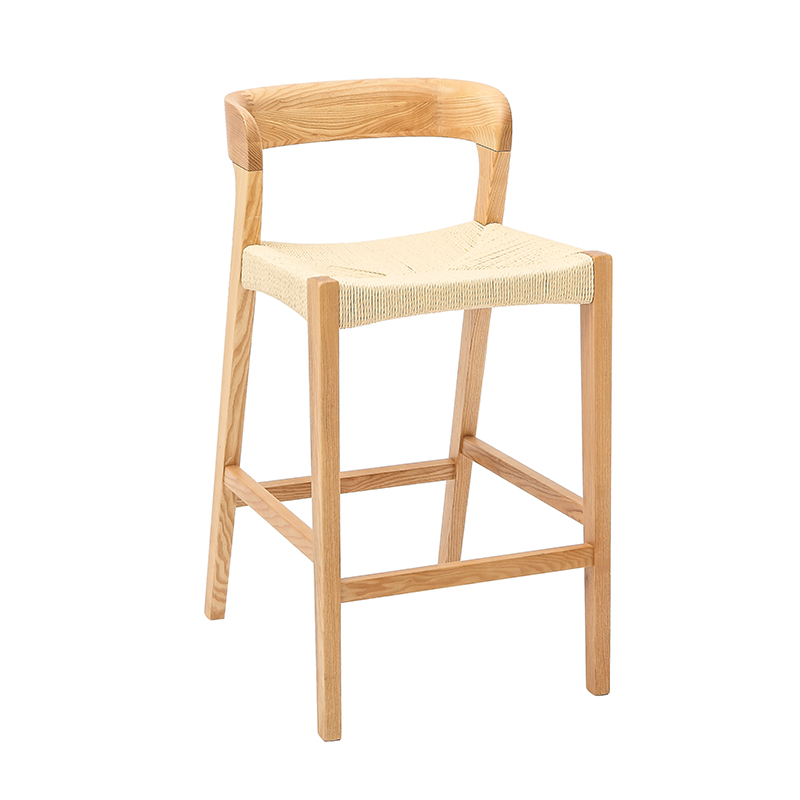
Common materials include solid wood, wood veneer, plywood, MDF, and engineered panels. Solid wood offers natural texture and repair potential, but it requires better moisture control. Veneer and engineered boards can provide stable surfaces and consistent appearance. For bars near sinks, coffee machines, or high-humidity areas, moisture-resistant construction and sealed edges are essential.
Structural Joinery for Wooden Bar Stools
Wooden bar stools experience vertical load, lateral movement, and frequent repositioning. Strong joinery is therefore more important than decorative shape. Buyers should inspect joint reinforcement, glue quality, screw placement, and corner support. A stool that looks elegant but has weak joints can become loose, noisy, or unsafe in a busy commercial setting.
Bar Counter Height and Stool Seat Height
A wood bar counter may be designed for dining, drinking, socializing, or quick service. The counter height should match the stool seat height. In general, there should be enough distance between the stool seat and the counter underside to allow comfortable leg clearance. Buyers should always confirm actual counter overhang, apron thickness, and footrest position before ordering stools.
Seat Comfort and Ergonomics
Wooden bar stools can be fully wooden, padded, upholstered, or contoured. For short-term use, a shaped wooden seat may be sufficient. For restaurants, hotel lounges, or breakfast bars where guests sit longer, ergonomic shaping, foot support, and optional cushioning improve comfort. Buyers should consider seat depth, seat tilt, backrest angle, and footrest height.
Finish Systems and Daily Maintenance
The finish protects the wood bar and wooden bar stools from spills, cleaning agents, scratches, and UV exposure. Polyurethane, lacquer, oil-based finishes, and water-based coatings offer different performance profiles. Commercial buyers should ask about scratch resistance, water resistance, repairability, and recommended cleaning methods. A good finish reduces maintenance cost and keeps the project looking new.
Customization and Project Consistency
Many buyers need custom dimensions, wood tones, logo details, fabric options, or packaging. Customization is valuable only when production consistency is controlled. Buyers should request finish samples, dimension reports, and pre-production samples. For large projects, batch consistency is often more important than a single perfect prototype.
Wood Bar and Wooden Bar Stools Comparison: Solid Wood, Veneer, Metal-Wood, and Upholstered Options
Different project types require different material strategies. A boutique hotel may prioritize natural texture, while a high-traffic restaurant may prioritize durability and easy cleaning. The following comparison helps buyers understand the practical trade-offs among common wood bar and wooden bar stool construction options.
The table shows that there is no single best material for every wood bar project. Solid wood is attractive and repairable, but it needs better moisture control. Veneer and engineered wood can offer stable appearance at a controlled cost. Metal-wood hybrids are useful for high-traffic environments, while upholstered wooden bar stools improve comfort but require more careful maintenance. Buyers should choose based on project positioning, usage frequency, cleaning routine, and replacement strategy.
Hidden Procurement Metrics: Why Wooden Bar Stools Fail or Succeed
Many buyers focus on appearance and unit price, but hidden quality metrics often determine long-term satisfaction. The chart below illustrates common contributors to wooden bar stool performance problems in commercial and residential projects. These figures are representative and help buyers understand where inspection and testing effort should be focused.
Typical Contributors to Wooden Bar Stool Performance Issues
The key insight is that visible defects are only part of the story. Moisture damage, joint weakness, and ergonomic mismatch often create dissatisfaction after delivery. Buyers should request finish testing, load testing, dimension confirmation, and real-use samples before approving bulk production.
Market Application Distribution for Wood Bar Projects and Wooden Bar Stools
Wood bar counters and wooden bar stools are used across hospitality, residential, office, and commercial environments. Each application has different expectations. Hotels often prioritize guest comfort and design consistency. Restaurants need easy cleaning and durability. Residential buyers may focus on space saving and style. Understanding the application mix helps buyers choose the right product configuration.
For hospitality buyers, design consistency and guest comfort are often more important than lowest price. For restaurants, durability and cleaning efficiency may dominate. Residential projects may need space-saving wooden bar stools that can be tucked under a wood bar counter. Office projects may prefer lighter, flexible seating. Hangzhou Changshun Furniture Co., Ltd. can help buyers match product structure, finish, and packaging to the target application.
ROI Analysis and Step-by-Step Selection Guide for Wood Bar and Wooden Bar Stools
Wood bar furniture should be evaluated as a long-term investment. A cheaper stool may save money at purchase but cost more through replacement, repair, guest complaints, and brand damage. A better stool may improve seating comfort, reduce maintenance, and extend service life. The following ROI framework helps buyers compare options more objectively.
Simple ROI Formula
Total Value = Reduced Replacement Cost + Reduced Maintenance Cost + Improved Customer Satisfaction − Higher Purchase Cost
Decision Rule: If a more durable wooden bar stool reduces replacement and maintenance cost by more than its price premium, it creates positive ROI over the project lifecycle.
Example Scenario
A cafe needs 60 wooden bar stools. Option A costs $45 per stool. Option B costs $72 per stool but has stronger joints, better finish, and a longer expected service life.
Cost Comparison
Option A total: $2,700. Option B total: $4,320. If Option B avoids replacing 20 stools and reduces repair complaints over two years, the extra $1,620 may be justified.
Buyer Insight
For commercial wood bar projects, replacement is not only material cost. It also includes downtime, labor, shipping, storage, and guest inconvenience. Lifecycle thinking produces better procurement decisions.
Seven-Step Procurement Timeline
Step 1: Define the Usage Environment
Determine whether the wood bar will be used in a hotel lounge, restaurant, home kitchen, office pantry, or showroom. Identify expected traffic level, cleaning frequency, spill risk, and seating duration. This step shapes material and structure choices.
Step 2: Confirm Counter Height and Stool Height
Measure the wood bar counter height, apron thickness, overhang, and footrest position. Then confirm the wooden bar stool seat height. Buyers should not rely only on standard labels; actual project dimensions must be checked.
Step 3: Choose the Right Material Structure
Select solid wood, veneer, engineered panels, metal-wood hybrid, or upholstered construction based on budget and durability needs. Ask for material specifications, moisture control information, and edge protection details.
Step 4: Evaluate Ergonomics and Comfort
Check seat depth, backrest support, footrest height, and leg clearance. If possible, test the stool with actual users. For hospitality projects, comfort can influence customer stay time and satisfaction.
Step 5: Test Finish and Load Performance
Request finish samples and perform simple tests for scratch resistance, water spotting, and cleaning compatibility. For wooden bar stools, ask about load capacity and structural testing. Commercial projects should avoid products without clear load guidelines.
Step 6: Approve Pre-Production Samples
Before bulk order, approve a pre-production sample that represents final materials, finish, hardware, and packaging. Check dimensions, color consistency, joint strength, and surface quality. This step reduces disputes during mass production.
Step 7: Arrange Packaging, Delivery, and After-Sales Support
Confirm packaging protection, spare parts policy, assembly instructions, and delivery schedule. For knock-down wooden bar stools, check hardware quality and assembly clarity. Good packaging reduces damage claims and improves project handover.
Maintenance, Safety, and Compliance Recommendations for Wooden Bar Stools
Proper maintenance extends the life of wood bar counters and wooden bar stools. In commercial environments, maintenance is not only about appearance; it is also about safety and guest confidence. A simple inspection routine can prevent loose joints, damaged seats, and surface wear from becoming larger problems.
Cleaning and Surface Care
Use soft cloths and cleaner products suitable for the finish. Avoid harsh chemicals that can damage coating and change wood color. For bar counters, wipe spills quickly to reduce moisture penetration and staining.
Moisture and Humidity Control
Wood furniture can expand or contract with humidity changes. Maintain stable indoor humidity where possible. Keep wooden bar stools away from prolonged direct water contact. If used near sinks or outdoor-adjacent areas, specify moisture-resistant materials and sealed edges.
Joint and Hardware Inspection
Check screws, bolts, corner braces, and frame joints regularly. Loose hardware should be tightened promptly. If a stool wobbles or makes noise, remove it from use until inspected. This is especially important in restaurants and hotels with high seating turnover.
Load Capacity and Safe Use
Ask the supplier for recommended load capacity. Do not assume all wooden bar stools support the same weight. For commercial projects, load testing documentation can support safety management and reduce liability risk.
Fire Safety and Material Compliance
Some projects may require fire-retardant foam, compliant fabrics, or low-emission panels. Buyers should confirm local regulations and project requirements. For upholstered wooden bar stools, ask for fabric and foam compliance information where applicable.
Sustainable Sourcing and Documentation
For environmentally sensitive projects, buyers may request FSC-related documentation, low-VOC finishes, or recycled packaging options. Sustainability is not only a marketing point; it can also improve project approval and brand responsibility.
Wood Bar and Wooden Bar Stools FAQs
Final Recommendation: Build a Wood Bar and Wooden Bar Stools Strategy That Delivers Long-Term Value
A successful wood bar project is not created by choosing the cheapest products. It is created by matching design, height, comfort, structure, finish, and maintenance needs. Wooden bar stools should be evaluated as part of a complete seating system, not as isolated accessories. When buyers focus on lifecycle cost, they can reduce replacements, improve user comfort, and protect project value.
For buyers looking for dependable wood bar solutions and wooden bar stools, the key is to work with a supplier that understands commercial use, material performance, and project consistency. Hangzhou Changshun Furniture Co., Ltd. focuses on practical furniture procurement support, helping buyers select products that balance appearance, durability, and budget.
Contact Hangzhou Changshun Furniture Co., Ltd.







 +86-571-63521858
  furniture@hzchangshun.com
  No. 88, Zhumufan, Yushan Township, Fuyang District, Hangzhou City, Zhejiang Province, China