Our Collections
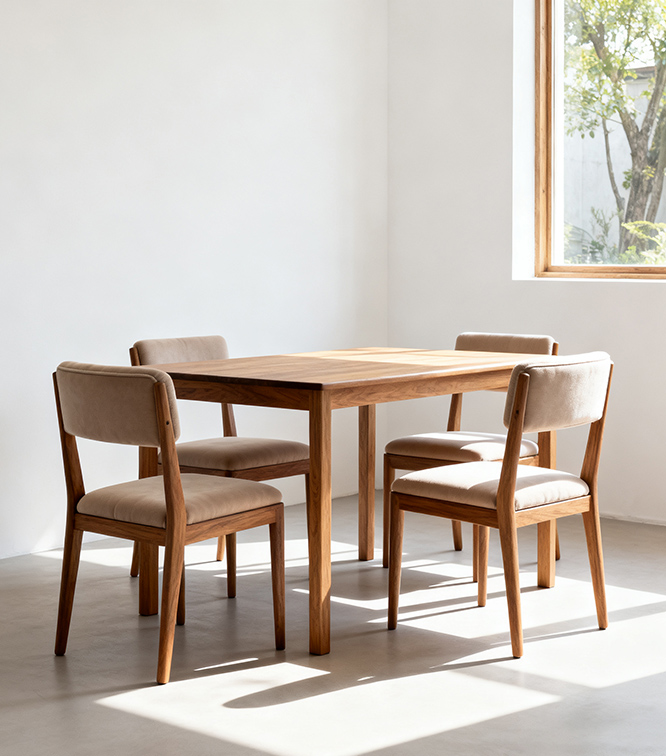
Wood Upholstered Chair
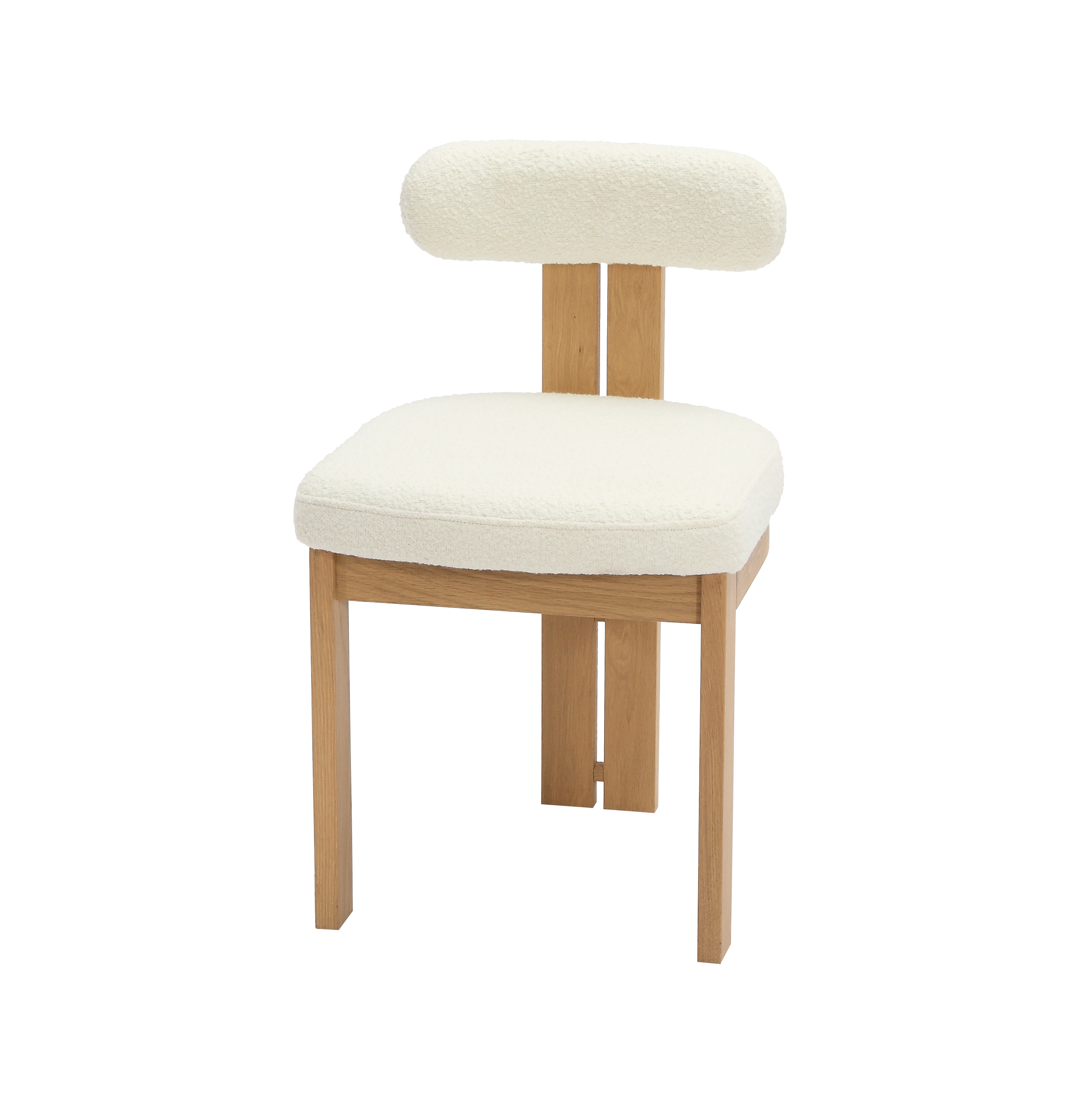
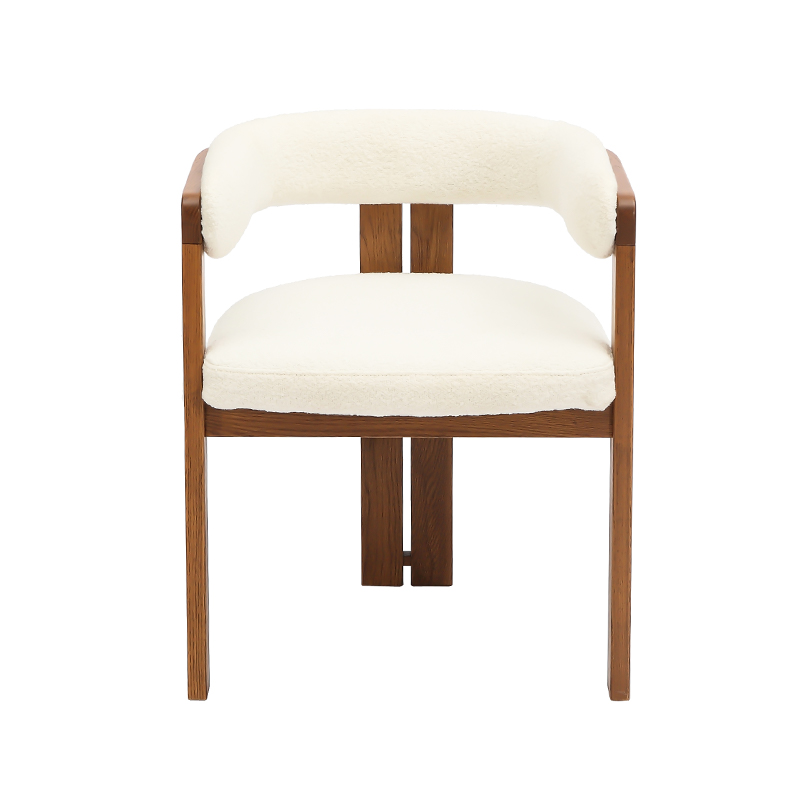
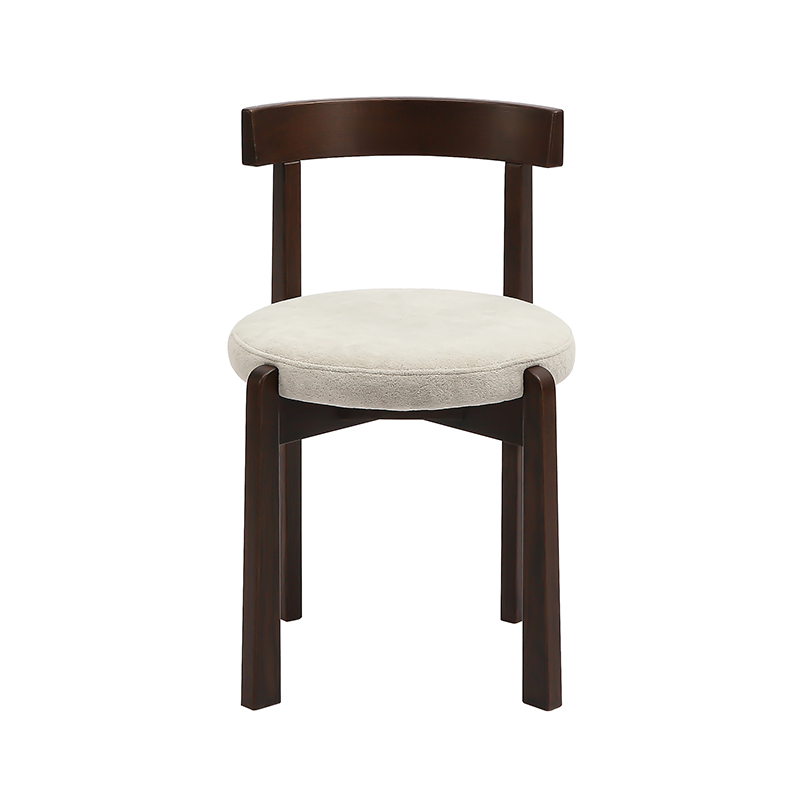
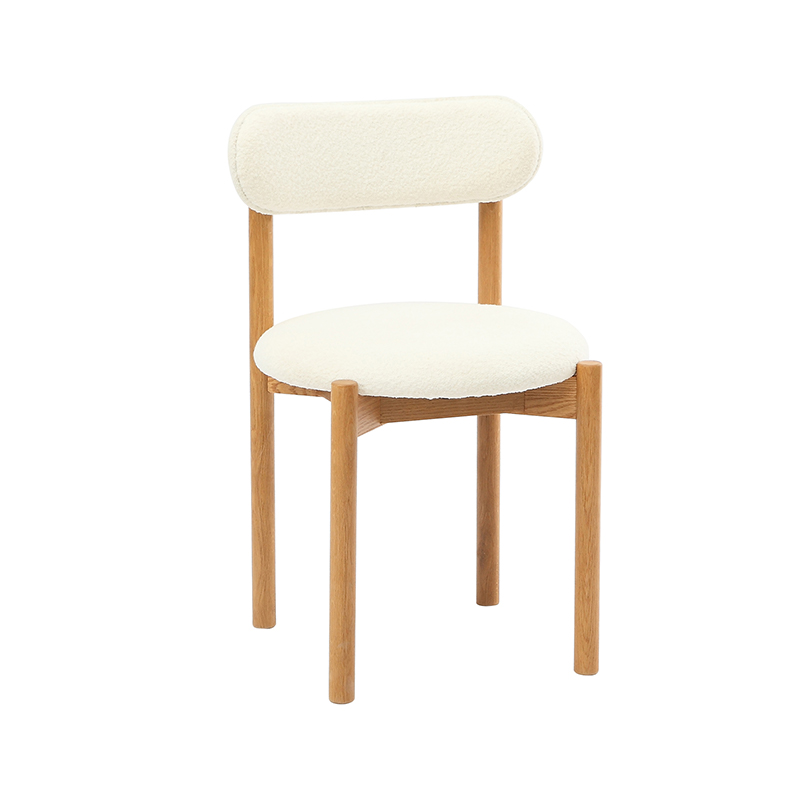
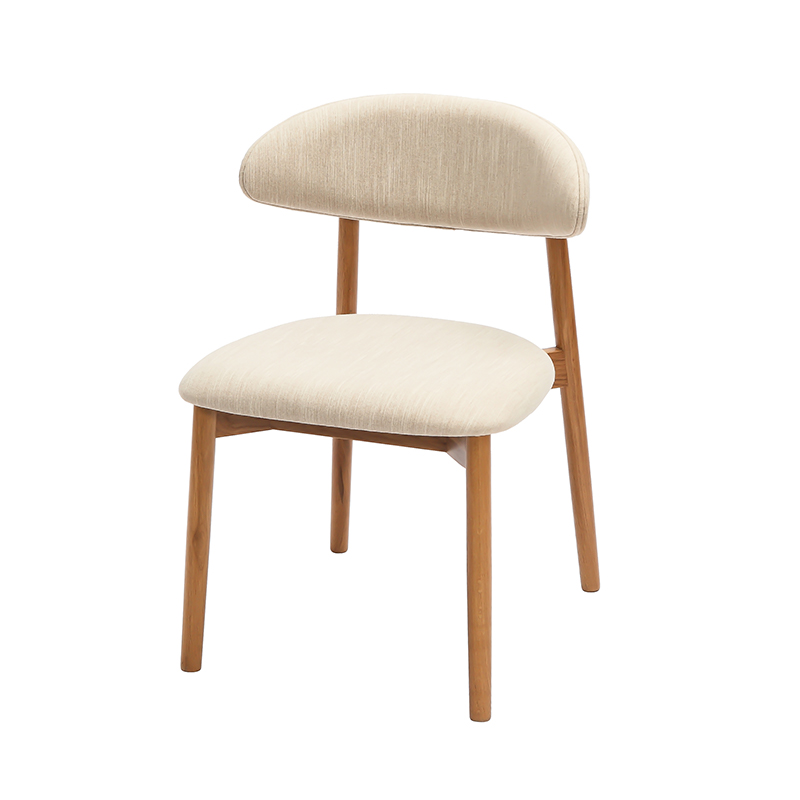
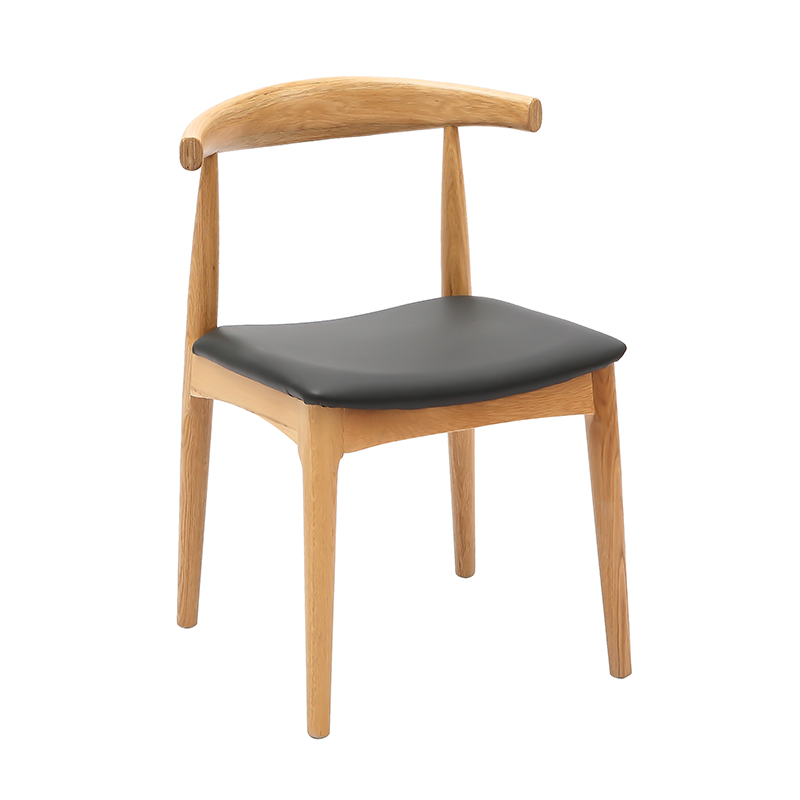
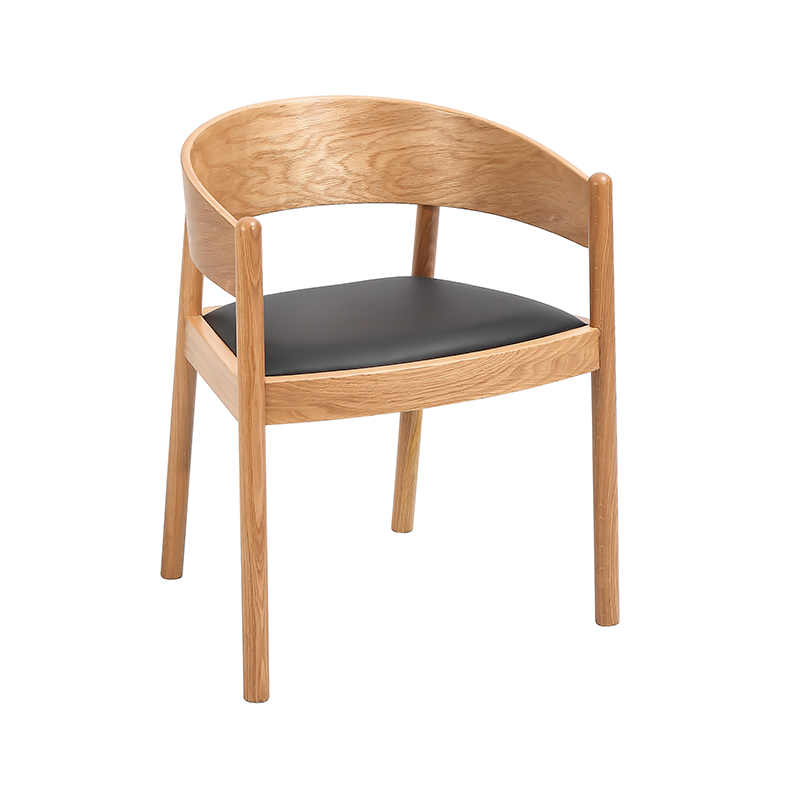
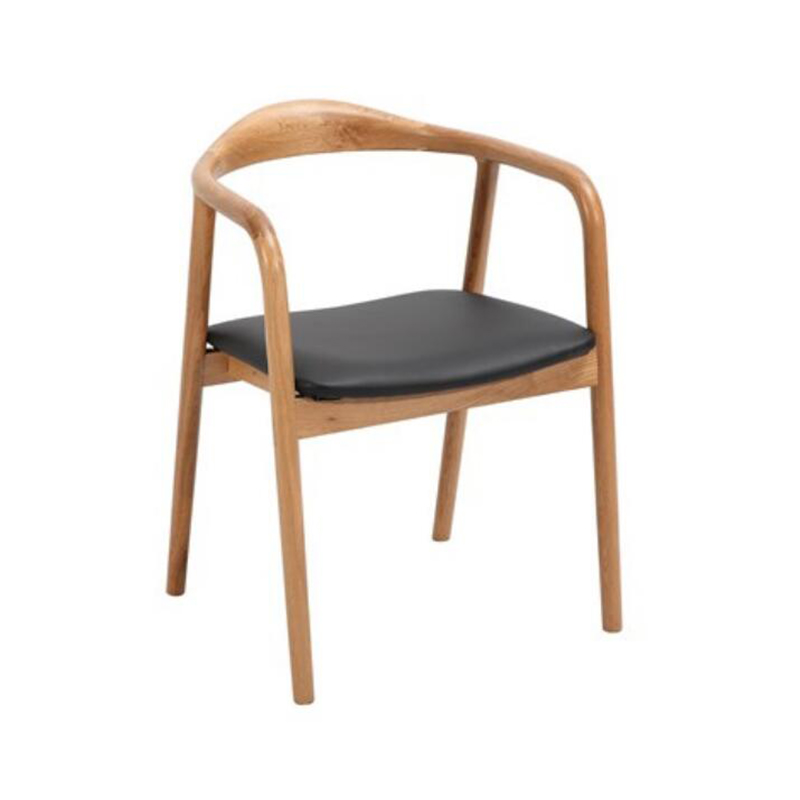
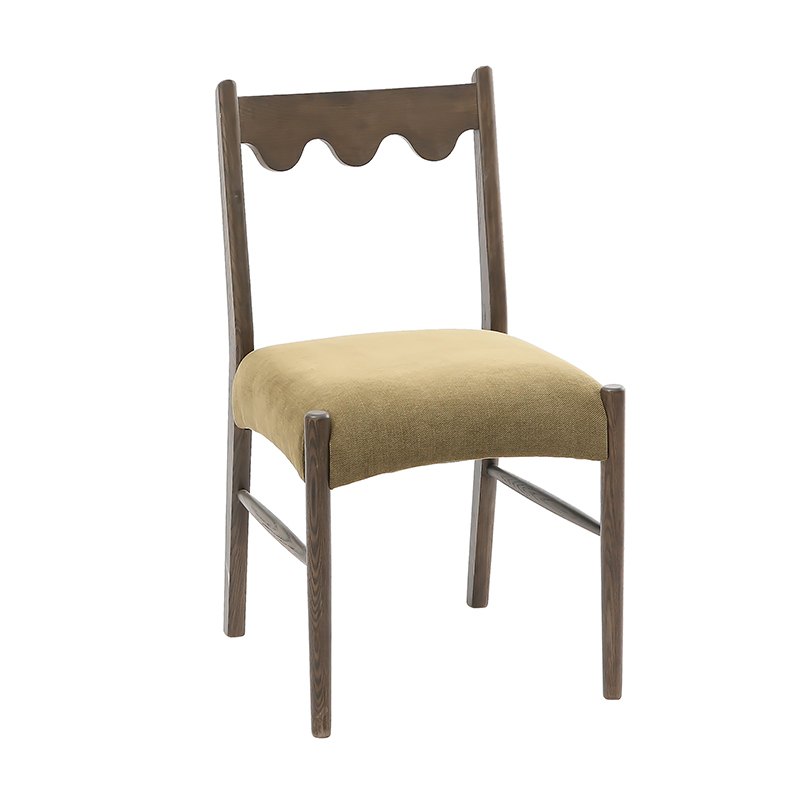
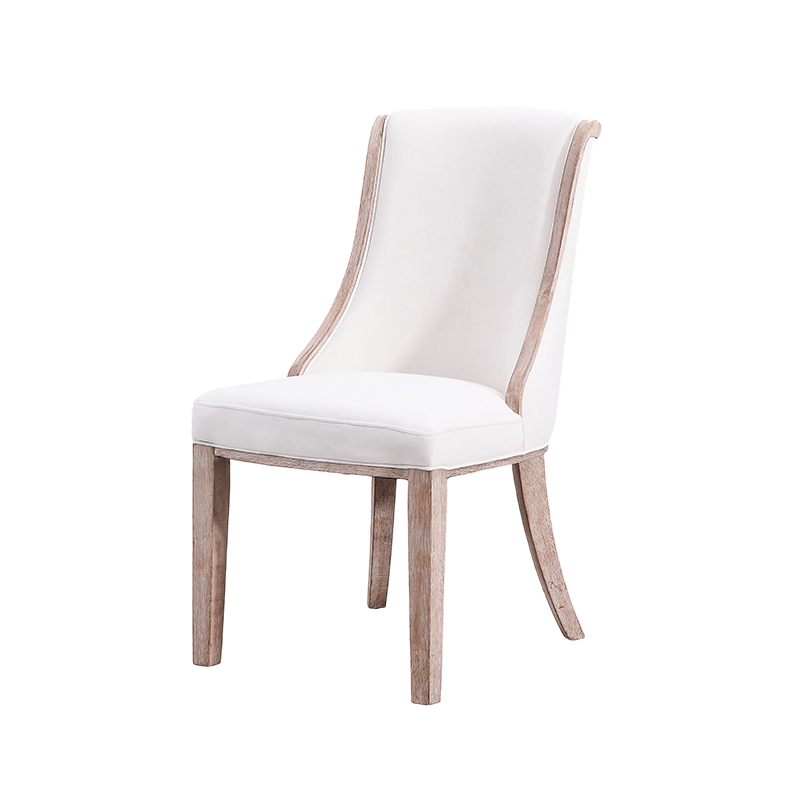
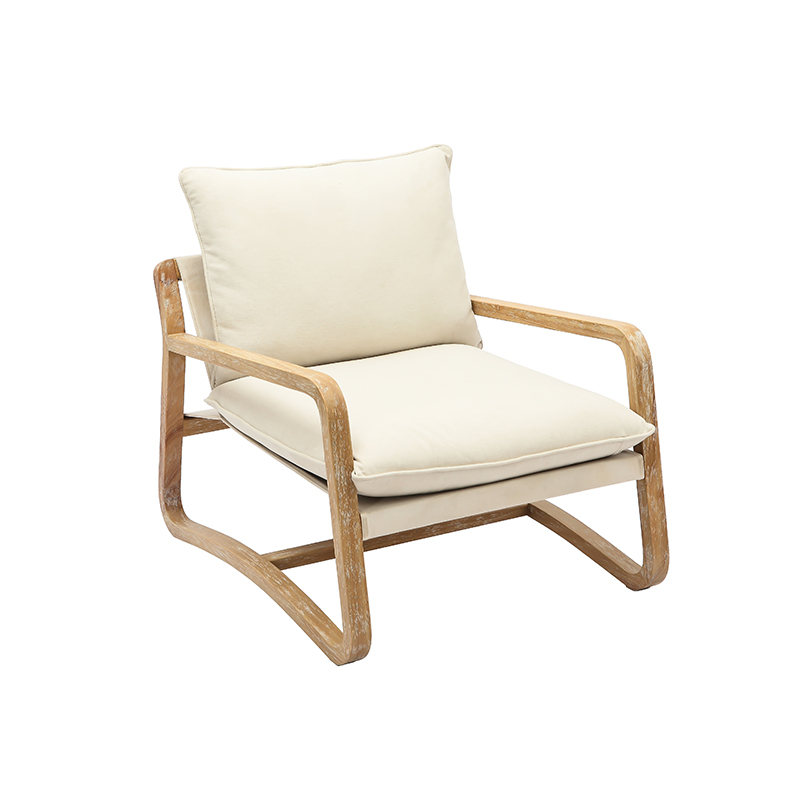
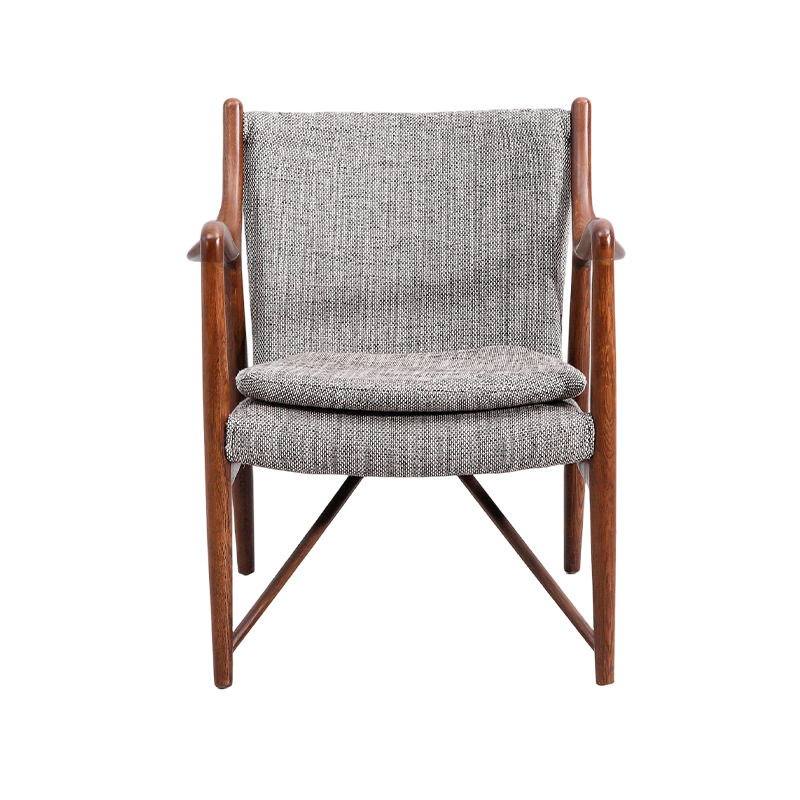
The Wood Upholstered Chair series seamlessly blends the warmth of natural wood with the comfort of modern cushioning. Each chair in the collection is thoughtfully designed to support both aesthetics and practicality, making them additions to a wide range of dining environments.
With a focus on ergonomic form and diverse styling, this collection offers various backrest shapes, seat materials, and wood finishes. Whether it’s the gentle curve of a backrest or the subtle elegance of a tan wood frame, every detail is crafted to elevate daily dining experiences.
The series features a selection of seat cushions, including PU leather, fabric, and off-white padding to meet different tactile preferences. This thoughtful variety brings a harmonious balance between visual appeal and user comfort.
By combining minimalist design with traditional woodwork elements, these chairs evoke a quiet sophistication. They not only serve a functional role but also become a subtle highlight in both modern and classic interiors.
About Changshun
Your Trustworthy Company
Hangzhou Changshun Furniture Co., Ltd. is an integrated manufacturer and trading company engaged in the design, development, production, and sales of wooden and rattan chairs and tables. Wood Upholstered Chair Manufacturers and Wood Upholstered Chair Factory in China.
Our products emphasize meticulous design and utilize eco-friendly materials to ensure safety and health. Additionally, we provide premium after-sales service to address any issues during use, ensuring customers enjoy a worry-free shopping experience.
With over two decades of dedicated effort, Hangzhou Changshun Furniture Co., Ltd. has successfully expanded its market to Europe, North America, Southeast Asia, and the Middle East, earning consistent acclaim from clients. Supply Custom Upholstered Wood Dining Chairs, Wood Upholstered Chairs For Sale. Backed by strong technical expertise, advanced production equipment, a professional workforce, and high-quality products and services, the company has become a high-quality enterprise in Zhejiang Province's furniture manufacturing industry. Our products enjoy a strong reputation in international markets and have won the trust and support of a broad customer base.
Industry knowledge
Hangzhou Changshun Furniture Co., Ltd. is a China-based Wood Upholstered Chair manufacturer producing solid-wood dining seating with integrated fabric, PU and leather cushioning. Our range covers tripod, round-cushion, armrest and cross-brace frames in oak and beech, finished for residential dining rooms, hospitality projects and OEM furniture programmes.
We handle design development, frame machining, upholstery assembly, finishing and pre-shipment inspection in one production flow. Each model is configured around the buyer's seat height, cushion specification, wood finish and fabric selection, then confirmed against a physical sample before volume production begins.
The collection is organised around backrest geometry and frame construction, so specifiers can match a chair to the dining layout, table height and interior language rather than choosing from a single silhouette. All models share the same construction logic: a solid-wood frame, a foam-cushioned seat platform, and an upholstered back panel where the design calls for one.
| Model Family | Frame & Cushion | Typical Application |
|---|---|---|
| Tripod Dining Upholstered Chair with Curved Back Cushion | Solid oak tripod base, boucle seat and curved barrel back | Compact dining rooms, café seating, accent placement |
| Tripod Dining Upholstered Chair with Wraparound Lumbar Support | Natural oak tripod frame, boucle upholstery, contoured lumbar panel | Extended dining, restaurant and lounge seating |
| Round Cushion Dining Upholstered Chair with Tan Paint Finish Frame | Solid oak, tan lacquer finish, foam-padded round seat | Mid-century interiors, contract dining, retail display |
| Seat & Back Cushion / Plain White / Off-white Pillow models | Wood frame with matched seat and back pads in fabric or PU | Residential dining sets, hotel guest rooms, show apartments |
| Leather Texture / PU Seat Cushion models | Coated upholstery over high-density foam, wipe-clean surface | High-traffic hospitality, food service, rental furnishing |
| Artisanal Beech / Light Olive Green / Oak Off-white models | Beech or oak frame, coloured or neutral cushion palette | Design-led retail collections, colour-coordinated dining schemes |
| Cross brace Dining Upholstered Chair with Curved Armrest | Cross-braced frame, curved armrest, cushioned seat | Head-of-table seating, club and restaurant dining |
Frames are produced from solid oak and beech, selected for grain consistency, dimensional stability and screw-holding strength at the joint positions. Leg profiles range from the three flat tripod legs used across the tripod family to tapered and cross-braced configurations. Where a design calls for a painted or lacquered finish, the frame is sanded and sealed before the colour coat so the grain remains visible under the tan or neutral topcoat.
Upholstery choice drives both the tactile character of the chair and its maintenance profile. We supply fabric, PU and leather-texture options across the range, and the correct selection depends on where the chair will be used rather than on appearance alone.
| Upholstery | Durability Profile | Cleaning | Best Fit |
|---|---|---|---|
| PU / coated fabric | High abrasion resistance, suited to frequent use | Wipe clean | Restaurants, cafés, contract dining |
| Leather texture | Good surface resilience with a premium look | Damp cloth | Hotel dining, premium residential |
| Woven fabric | Moderate abrasion resistance, wide colour range | Spot clean | Residential dining, light commercial |
| Boucle | Soft hand feel, textured surface | Spot clean, low-traffic placement | Design-led residential, accent seating |
Standard models sit within a compact dining envelope. The tripod chairs measure approximately 46 × 50 × 76 cm and 58 × 54 × 75 cm depending on the backrest variant, while the round-cushion model measures approximately 46.5 × 48 × 75 cm. These proportions suit standard dining table heights and allow dense seating layouts without crowding the table edge.
Production is organised across four differentiated lines covering blanking, frame assembly, painting and packaging. Seat height can be adjusted within a working range from the standard, and armrest or leg-profile changes are handled through existing joinery points and mould libraries where the design permits.
Quality control runs across five stages: raw material inspection, prototype testing, in-process inspection, finished product inspection and final pre-shipment inspection. Frames are checked for joint fit and surface finish before upholstery, and assembled chairs are inspected for cushion alignment, welt consistency and frame-to-fabric transitions.
Because wood finishing and upholstery are sequential stages, colour consistency between frame and cushion can only be confirmed at final assembly. We therefore require physical sample sign-off — a finished wood panel alongside the fabric or PU swatch — before a production order is committed. This removes the most common source of specification disputes in OEM dining chair programmes.
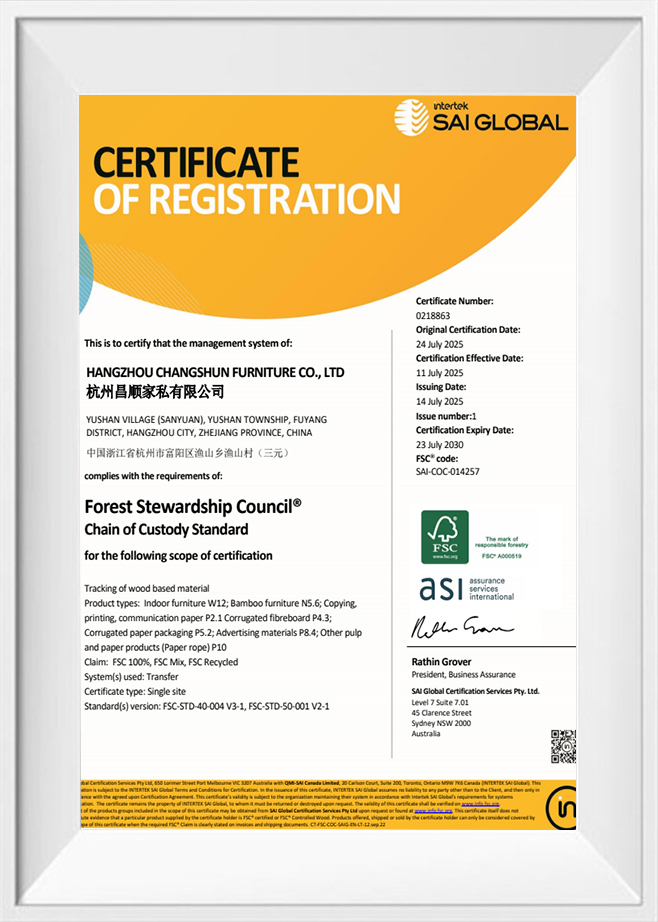
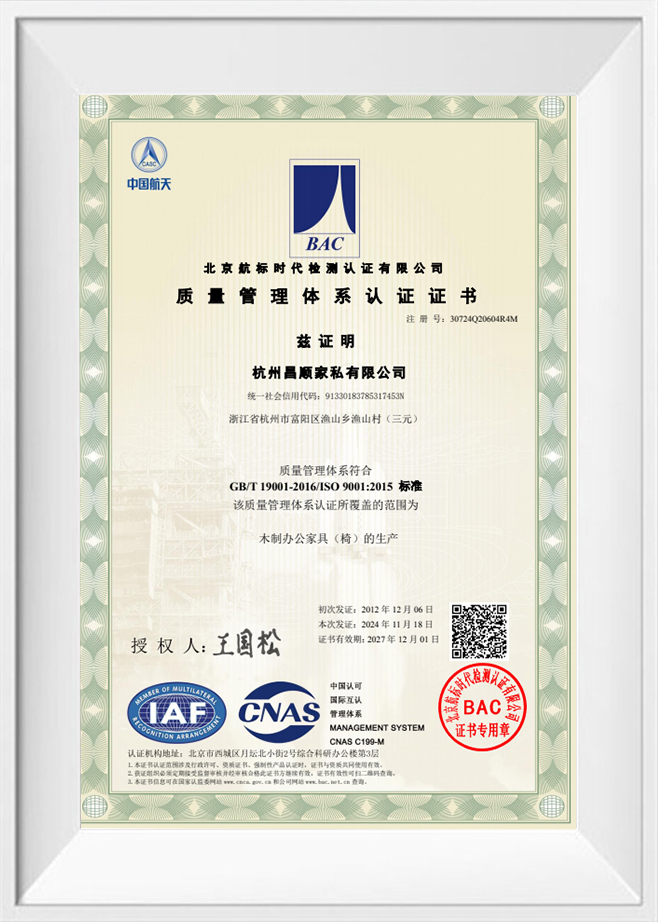
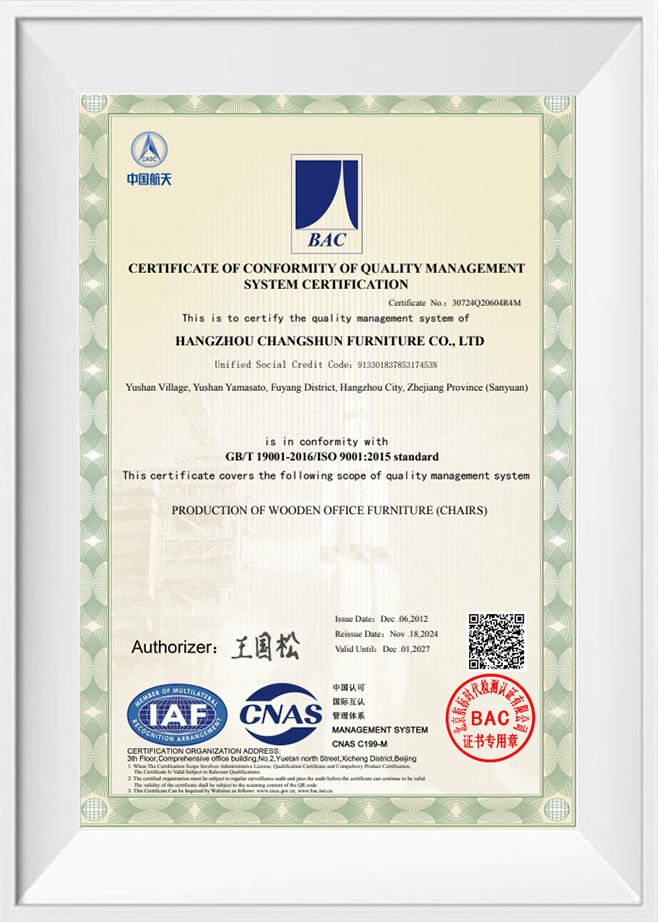
Our quality management system is certified, and documentation supporting the order can be prepared alongside the commercial paperwork for buyers who require it at acceptance.
Dining projects rarely specify chairs in isolation. We produce the surrounding seating and table families on the same production floor, which keeps finish and material language consistent across a complete room package.
A workable configuration and quotation depends on a defined set of inputs. When these are supplied, we can confirm the model, cushion build, finish and packaging scope without repeated clarification rounds.
| Input | What It Determines |
|---|---|
| End-use environment | Upholstery grade, foam density, finish durability |
| Target quantity and order structure | Production scheduling and customisation feasibility |
| Wood species and finish reference | Frame material, colour matching, sample preparation |
| Fabric or PU swatch | Cushion specification and physical sign-off |
| Seat height and dimensional limits | Frame adjustment within the working range |
| Packaging and delivery scope | Carton configuration, loading plan, trade terms |
Wood upholstered chairs are maintained on two fronts: the frame surface and the cushion. Lacquered and painted frames are wiped with a soft damp cloth; abrasive cleaners are avoided because they dull the topcoat and expose the grain. Fabric and boucle cushions are spot cleaned, while PU and leather-texture surfaces are wiped clean after use.
Where a back panel is fixed through concealed points, it can be removed and recovered without replacing the frame — a practical advantage for hospitality operators who refurbish seating in cycles. Replacement cushions and frame components can be supplied against the original order specification.
Our wood upholstered chair frames are produced in solid oak and beech. Oak is used where visible grain and a warm natural tone are part of the design, as in the tripod and round-cushion models. Beech is used where a tighter, more uniform grain suits a painted or coloured finish. Both are selected for stability at the joint positions.
Yes. We develop and produce table and chair furniture to customer drawings or physical samples, in addition to our existing catalogue. New backrest shapes, leg profiles and non-standard seat dimensions require pattern development, so these requests carry a longer pre-production stage and a higher minimum order quantity than finish or fabric changes.
Seats use a dual-layer foam build: a firmer base layer that carries the load and holds the seat profile, topped with a softer comfort layer at the contact surface. Cushion firmness can be specified within our existing foam grades, and the plywood seat substrate is sized to prevent flex that would otherwise wrinkle the upholstery at stress lines.
Minimum order quantity and lead time depend on the model, the customisation tier and the order structure. Finish, fabric and packaging changes sit within standard production; seat height or armrest changes require setup time; new tooling extends the timeline. We confirm both figures against the specific configuration when quoting.
We require physical sample sign-off before production. A finished wood panel in the specified colour is presented together with the fabric or PU swatch, so the combination can be assessed as a pair rather than from digital references. This is the point at which frame and upholstery colour are confirmed together.
Our wooden and rattan chairs and tables are exported to Europe, North America, Southeast Asia and the Middle East. Trade terms including FOB, CIF and CNF are confirmed at quotation stage, and we work with both distributors and project buyers on repeat production programmes.




Innovation Oriented, Quality As Life.
Feel free to reach our if you want to collaborate with us, or simply have a chat.
Become a Client 
Product Category
Wood Upholstered Chair
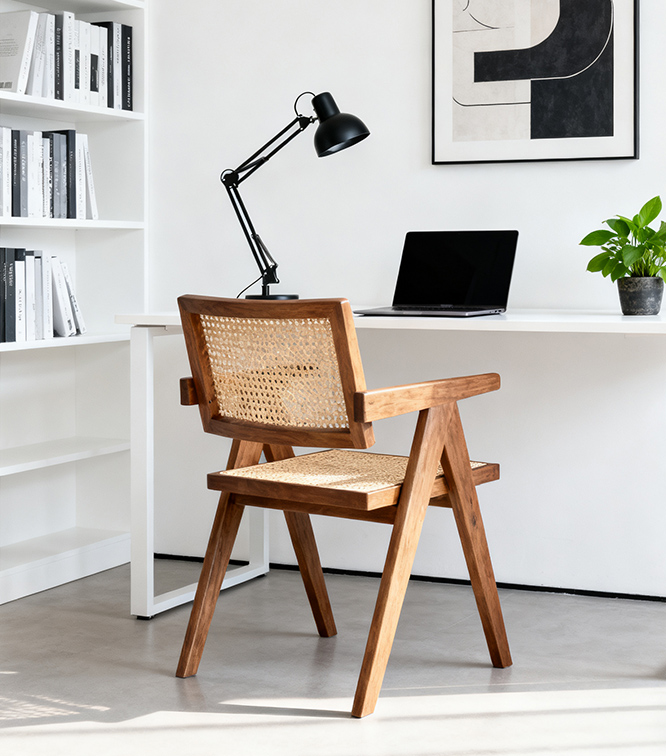
Woven Wood Chair
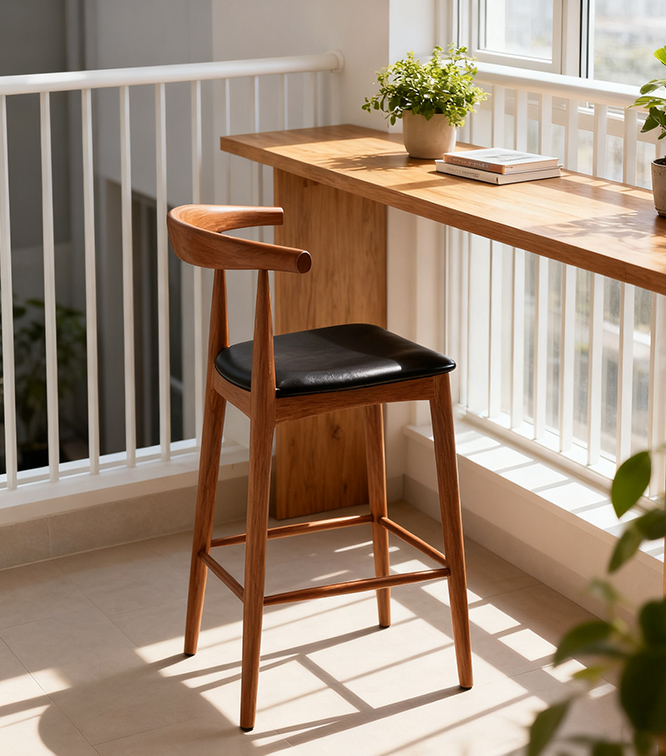
Wood Bar Stools
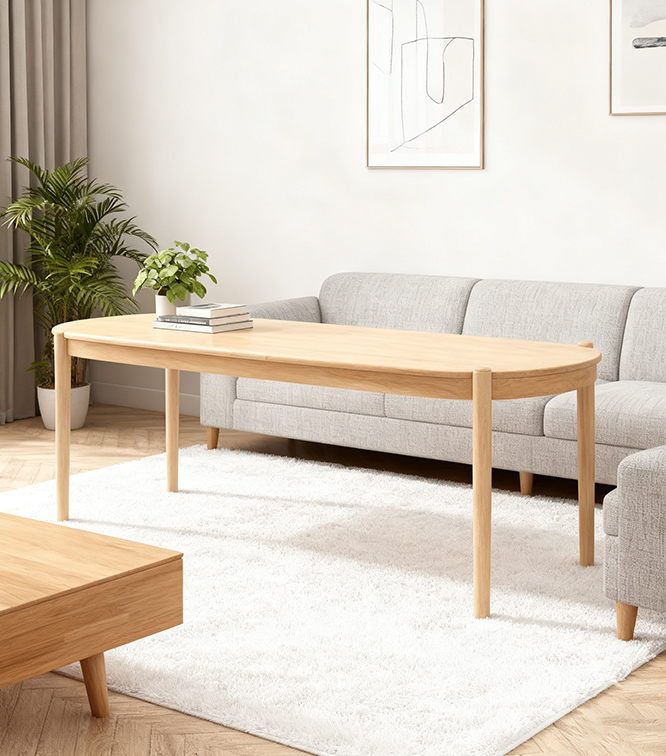
Wood Table
FSC Certified Wood Chairs
Wooden Rattan Chairs
Solid Wood Dining Chair
Modern Wooden Dining Chair
Contact Information
 +86-571-63521858
+86-571-63525898
 furniture@hzchangshun.com
emilypeng@hzchangshun.com
 No. 88, Zhumufan, Yushan Township, Fuyang District, Hangzhou City, Zhejiang Province, China


 EN
EN

 English
 中文简体
中文简体 Español