2026/05/26
Content
The difference between a handwoven chair and a machine-produced alternative is not always visible in a product photograph — but it becomes obvious in person, and even more so over time. Machine-processed weaving applies tension uniformly and mechanically, producing a surface that is consistent but inert. Hand weaving, by contrast, is responsive: the artisan adjusts tension in real time, accommodating the specific characteristics of the natural material in hand — its flex, its moisture content, its variation in strand width. The result is a surface with subtle irregularity that reads as warmth rather than defect.
This distinction matters practically as well as aesthetically. Handwoven seats using natural rattan, paper cord, or cotton rope are woven under active control, which means the artisan can reinforce vulnerable areas — frame attachment points, corner intersections, high-contact zones — with additional passes or tighter wrapping. Machine-produced alternatives apply the same mechanical pattern regardless of structural requirements, which is why they tend to show wear first at exactly the points where the human eye (and hand) would have added extra attention.
For buyers building furniture collections for residential projects or hospitality environments, the handwoven designation should be treated as a structural specification, not just a marketing label. Request documentation of the weaving process, or ask for samples showing the underside of the seat — the quality of the finish on surfaces that won't be seen is the most reliable indicator of overall production standards.
Several distinct weaving methods are used in solid wood chair production, each producing different structural properties and visual outcomes. Understanding these techniques helps buyers specify the right chair for a given use case rather than selecting purely on appearance.
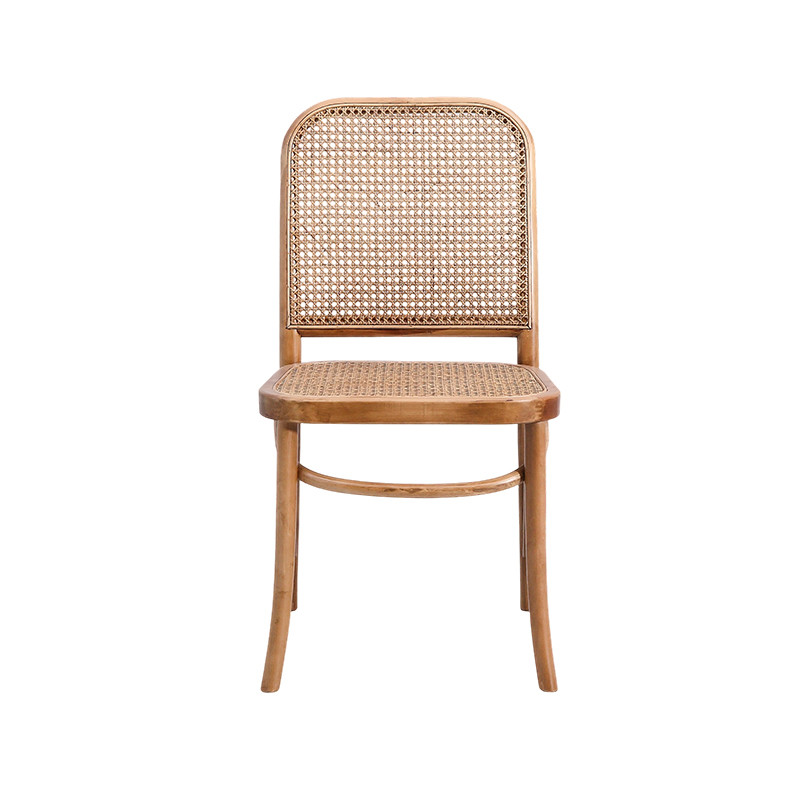
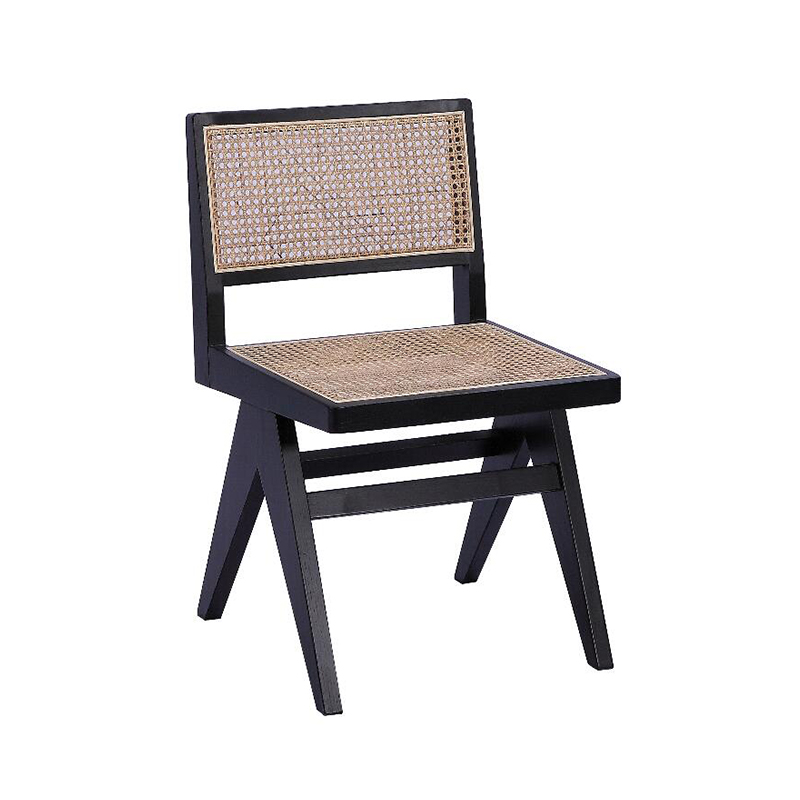
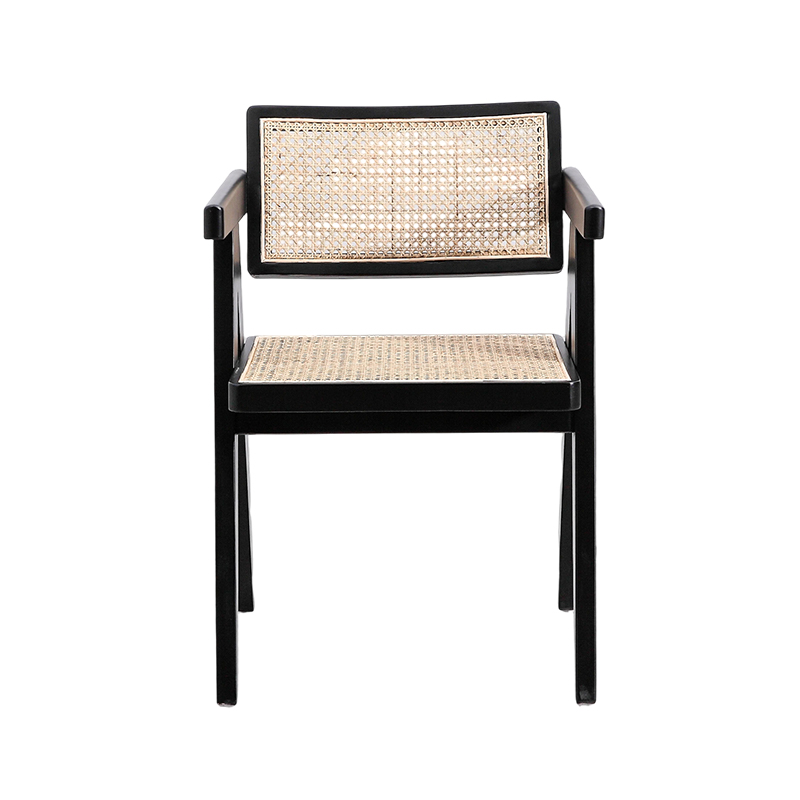
Rattan panel weaving (hand caning) involves weaving individual strands of rattan through a series of drilled holes around the seat or back frame perimeter. The classic octagonal or hexagonal pattern emerges from passing strands in seven directions across the same field, with each pass interlocking with the last. This method produces a lacy, open surface with excellent breathability. Because each strand is individually threaded, the weave can be pulled tight at each hole and locked off cleanly — a labor-intensive process that typically takes a skilled artisan two to four hours per seat, depending on size and complexity.
Braiding-style base weaving applies a different logic: rather than using the frame holes as anchor points, this technique wraps and plaits material around the structural rails of the chair base or backrest. The braided surface creates a denser, more solid visual texture than open cane weaving, with the structural benefit of distributing tension across a longer wrapped section rather than concentrating it at individual holes. This approach is particularly well-suited for base elements — chair legs and lower rails — where the weave serves both a decorative and a reinforcing function.
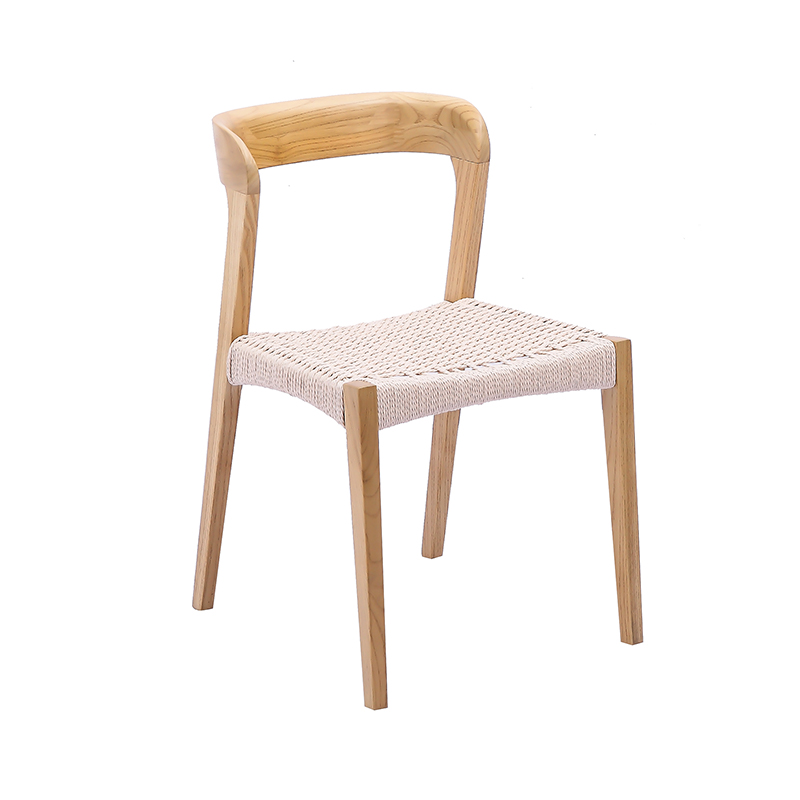
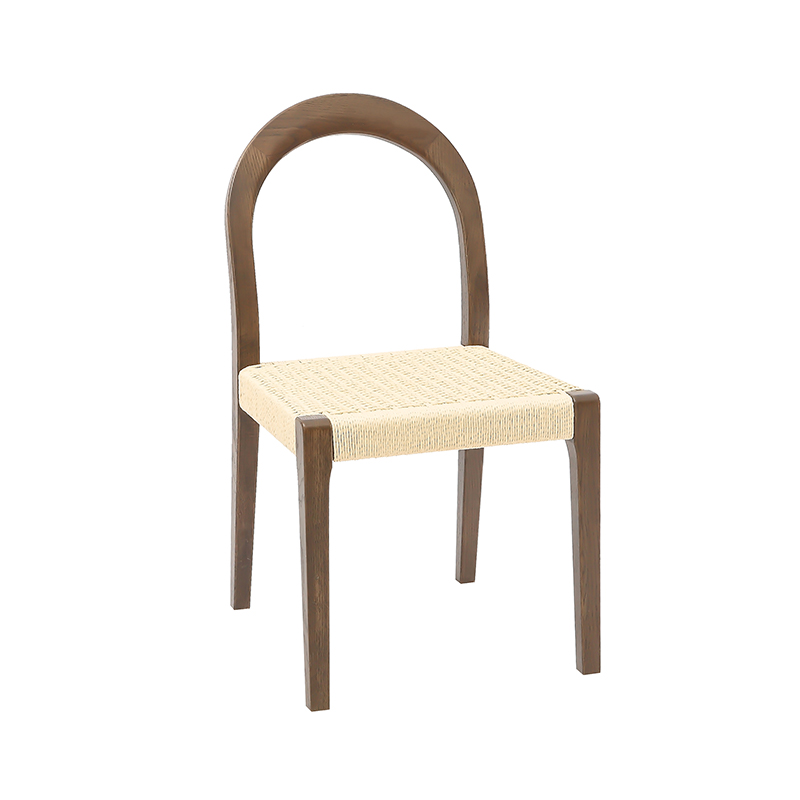
Rope winding is the tightest and most structurally solid of the common woven techniques. Danish paper cord — one of the most widely used materials for this method — is a twisted paper product developed in the early twentieth century for its combination of durability, flexibility, and fine finished appearance. When wound across a seat frame under consistent tension, paper cord creates a firm, slightly yielding surface that improves with use as the cord settles into the frame. Unlike rattan, paper cord is not sensitive to humidity in normal indoor conditions, making it a more stable choice for climate-variable environments.
Tribal and patterned rope weaving extends this base technique into decorative territory, combining multiple winding directions and sometimes multiple rope weights to produce geometric or cultural patterns across the seat or back surface. These patterns are planned and executed by hand with no mechanical template — the artisan works from memory or a hand-drawn reference, which is why no two tribal-woven chairs are precisely identical. The tribal-style rope woven wood chair with hand-wound geometric patterning is a practical example of how this technique produces a piece with an unambiguously artisanal character.
Classical stitching weave — sometimes called saddle weave or traditional lashing — uses a combination of rattan or cord passed in a cross-hatch pattern with a stitched binding at each intersection. This creates a very stable surface with a refined, almost textile-like appearance. It is commonly seen on chair seats where the designer wants the woven surface to read as soft and woven rather than structural and open. The classical stitching woven wood chair with traditional cross-lashed seat shows how this technique translates into a finished dining piece.
Ergonomic performance in woven chairs is not primarily a function of cushioning — it is a function of surface geometry and material behavior. A well-woven rattan or rope seat provides a form of distributed support that no rigid flat panel can match: the material yields slightly under weight concentration points and recovers between uses, preventing the hot spots and pressure buildup that cause discomfort during extended sitting.
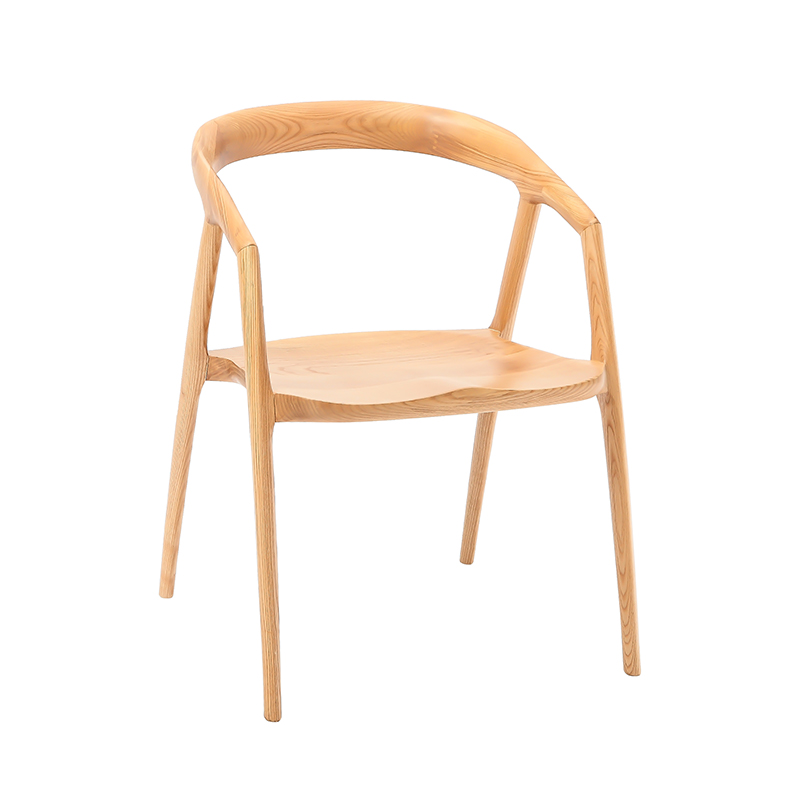
Seat dip geometry amplifies this. A chair seat shaped to follow the natural curve of the pelvis — either in the solid wood seat board itself or in the tension profile of the woven surface — reduces the anterior tilt that causes lower back discomfort in chairs with perfectly flat seats. The hip-fitting seat dip wood chair with ergonomically contoured seat surface takes this approach with a carved solid seat, while woven-surface versions achieve a similar result through the natural give of the material under load.
Back angle and lumbar contact are the other key ergonomic variables. Many handwoven chair designs position the back slightly reclined from vertical — typically 3–5 degrees — which reduces spinal compression during seated meals or conversations. A back that makes contact with the lower lumbar region rather than only the upper back provides active support rather than a simple stop surface. In rope-woven bar stools and counter chairs, lumbar support becomes especially significant, since elevated seating puts more demand on core stability than standard dining height.
A handwoven chair carries visual information that most furniture does not: the mark of a specific process and material. This gives it a contextual specificity that works in some interior environments very well, and less well in others. Understanding this specificity helps avoid the common mistake of using these chairs in spaces where their character is either invisible or at odds with the surrounding scheme.
They perform best in interiors where natural materials and tactile surfaces are intentional design decisions rather than default choices. A dining space furnished with solid wood tables, linen or cotton textiles, and ceramic or stone accessories provides the right context for woven chairs to read as part of a coherent material language rather than as isolated accent pieces. The key is contrast: the woven surface needs at least one adjacent element of different texture — a smooth stone table surface, a matte plaster wall — to register as visually interesting rather than simply busy.
In restaurant and café settings, handwoven chairs serve a secondary function that is easy to overlook: acoustic absorption. Open-weave and rope-wound surfaces scatter and absorb sound differently from solid wood or metal chairs, contributing modestly but measurably to the acoustic character of a dining room. This effect is small at the individual chair level but noticeable at the room level when twenty or thirty woven chairs are in use simultaneously.
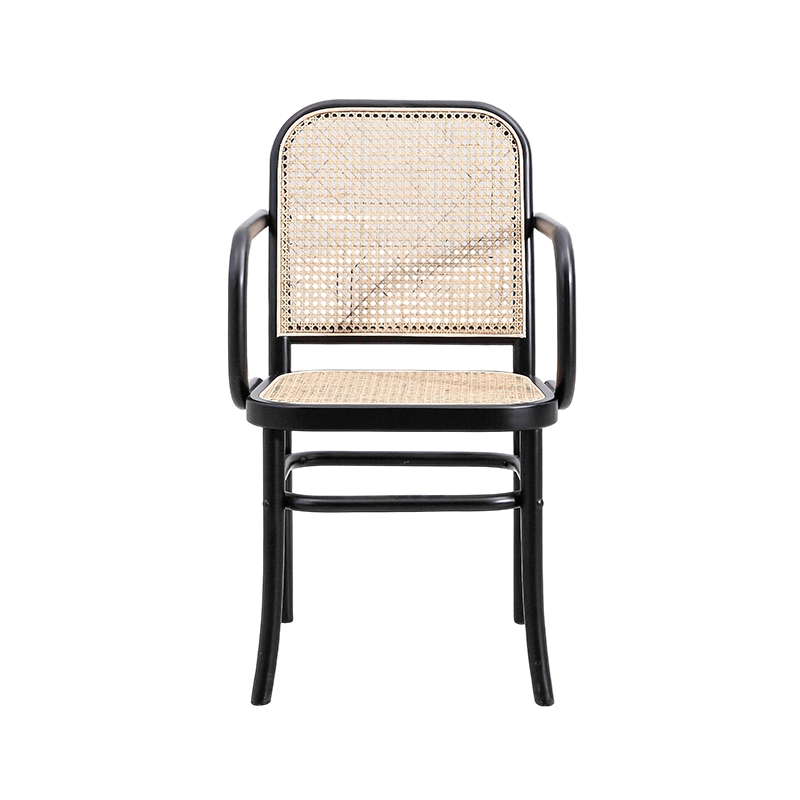
For buyers sourcing chairs for multi-purpose spaces — rooms used for both dining and living, or hospitality spaces that transition from day to evening use — the handwoven chair's design neutrality is a practical asset. A rattan-backed chair in natural finish reads neither as formal nor as casual; it can sit comfortably in a lunch service setting and an evening dinner configuration without requiring a change of furniture. The rattan woven decoration wood chair with armrest for versatile formal and casual use is a good example of this design flexibility.
Finally, handwoven chairs pair naturally with solid wood dining tables — another multi-material piece that benefits from the same logic of letting natural materials speak for themselves. A solid wood oval dining table for family-scale settings and a set of woven chairs create a complete dining scheme grounded in the same material philosophy: natural, durable, and quietly expressive of the craft behind each piece.
Natural woven materials age differently from wood and upholstery, and understanding this before purchase prevents the disappointment that comes from expecting them to behave like synthetic alternatives. The changes that occur are, in most cases, improvements rather than degradation — but they require a shift in expectations about what "good condition" looks like after several years of use.
Rattan darkens and gains patina with age and light exposure, shifting from its initial pale golden tone toward a richer amber. This is not fading — it is the same photochemical process that makes antique rattan furniture so visually appealing. The weave structure becomes slightly more supple over time as the fibers accommodate repeated loading and recover. Provided the chair is kept in normal indoor humidity conditions (40–60% RH), rattan seats can last fifteen to twenty years without structural compromise.
Paper cord and natural rope follow a similar trajectory. The initial stiffness of a new paper cord seat softens within the first few months of use as the twisted fibers settle into the frame and adapt to the weight and shape of regular users. This is not loosening — the tension remains; the texture simply refines. Unlike rattan, paper cord is more sensitive to sustained moisture exposure and should be kept dry. Minor scuffs and surface abrasion are normal and do not affect structural integrity.
Routine care is straightforward: dust regularly with a soft brush to prevent fine particle accumulation in the weave gaps, and clean rattan surfaces with a lightly dampened cloth (not wet) followed by immediate drying. Avoid placing woven chairs in direct sunlight for extended periods, as UV exposure accelerates surface drying and can cause brittleness in natural fibers over several years. For rope-woven surfaces, a light wipe with a dry or barely damp cloth is sufficient — no oil treatments are needed or recommended.
The durability of the solid wood frame, maintained with occasional surface treatment, typically outlasts the woven element by a significant margin. This means the practical lifespan of the complete chair is determined by the weave, not the frame — and that re-weaving, rather than replacement, is the responsible long-term approach to chair care. Skilled chair re-weaving restores the original surface character while retaining the structural frame that represents the larger share of the chair's material and carbon cost.




Innovation Oriented, Quality As Life.
Feel free to reach our if you want to collaborate with us, or simply have a chat.
Become a Client 
Product Category
Wood Upholstered Chair
Woven Wood Chair
Wood Bar Stools
Wood Table
FSC Certified Wood Chairs
Wooden Rattan Chairs
Solid Wood Dining Chair
Modern Wooden Dining Chair
Contact Information
 +86-571-63521858
+86-571-63525898
 furniture@hzchangshun.com
emilypeng@hzchangshun.com
 No. 88, Zhumufan, Yushan Township, Fuyang District, Hangzhou City, Zhejiang Province, China


 EN
EN

 English
 中文简体
中文简体 Español