2026/10/20
Two dining chairs leave the same workshop, in the same container, with the same finish. One ends up beside a south-facing window in a heated apartment; the other sits in a shaded corner where the air stays close to 50 percent relative humidity. Three winters later, the first has a chalky film on the arms, a rattan seat that has gone slack, and a foam pad that bottoms out under a 40 kg sitter. The second still looks like it shipped last month. Nothing about the frame changed. The conditions did.
That example is the whole argument for a care plan. Longevity is decided less by price than by three things: what happens in the first 90 days of use, the humidity the piece lives in, and whether cleaning is a weekly habit or an annual rescue operation.
The short answer, before the detail
Content
Wear is rarely caused by sitting. It is caused by the environment changing faster than the material can respond, or by a load that never comes off. Design decisions made before delivery set the ceiling on how long a piece stays comfortable, and how chair design shapes daily comfort and posture explains why seat depth and lumbar curve matter as much as the finish. After delivery, four mechanisms do the aging.
Wood moisture, not wood thickness
Kiln-dried beech and oak typically leave the factory at 6 to 8 percent moisture content. In a heated room that drops to 25 percent relative humidity in January, the outer millimeters dry faster than the core, the frame moves, and joints that were tight in the workshop open by a fraction of a millimeter.
Finish cure and ultraviolet light
Lacquer and oil keep curing for weeks after delivery. Sun through glass plus a nearby heat source during that window dulls the surface unevenly and locks in color difference that no polish will remove later.
Compression set in foam
Polyurethane foam loses height permanently under constant load. A seat cushion in the 25 to 35 kg/m³ range can give up 5 to 10 percent of its thickness in the first year, and one favourite chair used by one person every evening will always sag before its neighbour.
Fiber tension in rattan and rope
A woven seat is a humidity gauge. Below roughly 35 percent relative humidity, natural rattan contracts, the weave tightens and fibers can crack at the bends; above 65 percent it swells, the weave slackens and the seat starts to feel like a hammock.
Dust weekly with a dry microfiber cloth and wipe spills immediately with a slightly damp one, drying as you go. Avoid all-purpose sprays that contain silicone: they build a film that traps dust and makes refinishing difficult. Oiled finishes want a thin coat of furniture oil every 6 to 12 months; lacquered finishes want nothing but a damp cloth and patience. Use coasters, because a mug at 70 °C softens most lacquers within a minute.
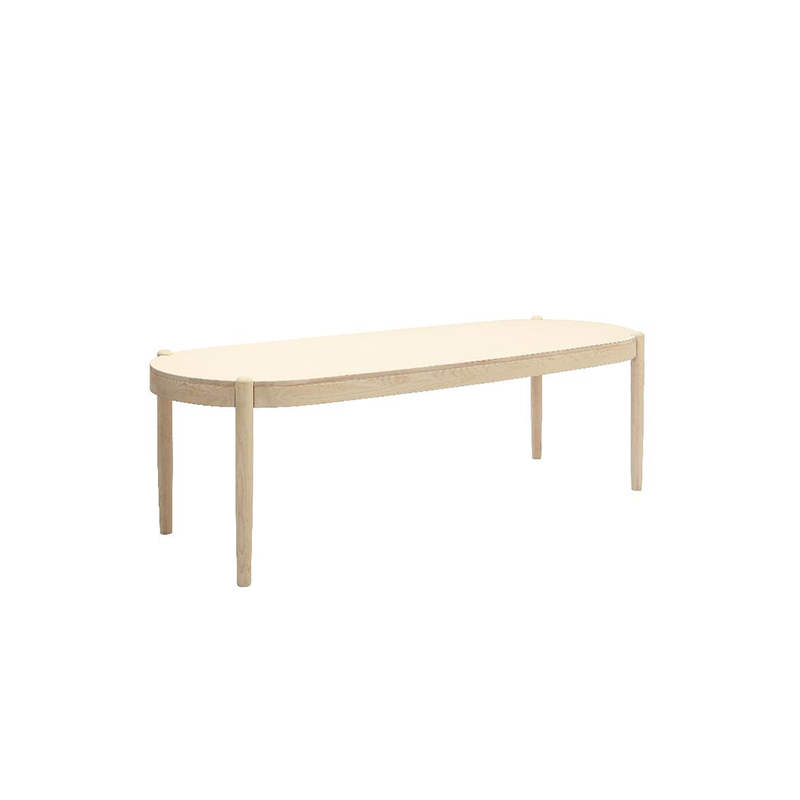 Oval Solid Wood Family Dining TableA large oval solid-wood table with rounded edges and tapered legs, offering family-friendly seating and a warm modern look for dining rooms.View Product →
Large tops are the easiest pieces to ruin with one bad habit: dragging. Lift a table to move it, and keep it at least 30 cm from a radiator so the top does not dry from one edge.
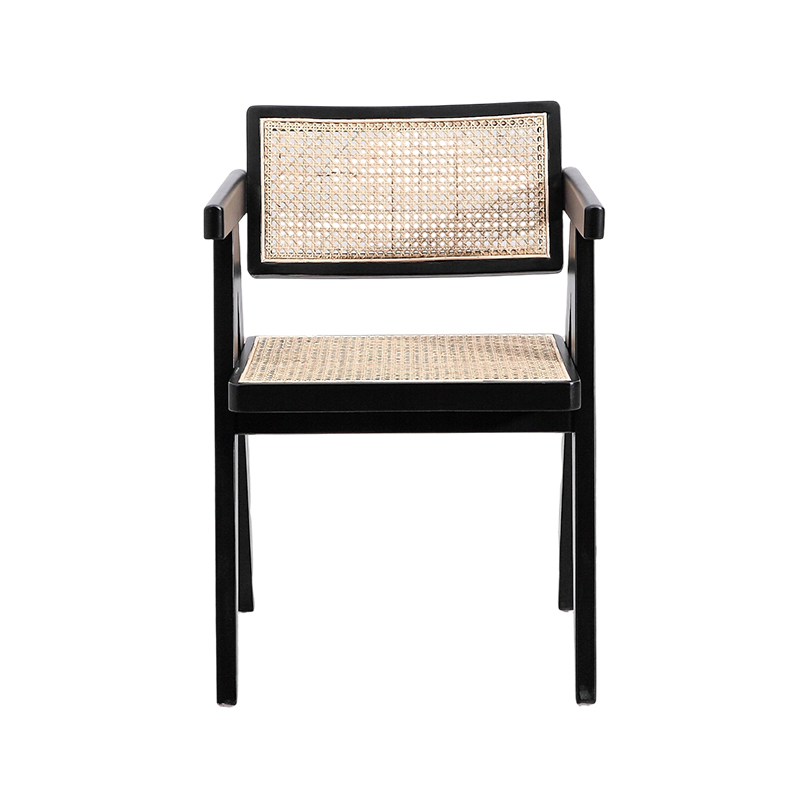
Dust along the direction of the weave with a soft brush, then wipe with a cloth that is barely damp, and dry within a couple of minutes. Never soak a woven seat, never steam it and never leave it wet overnight. On untreated rattan, a light application of natural oil every two to three years keeps the fibers supple; on sealed rattan, skip the oil entirely.
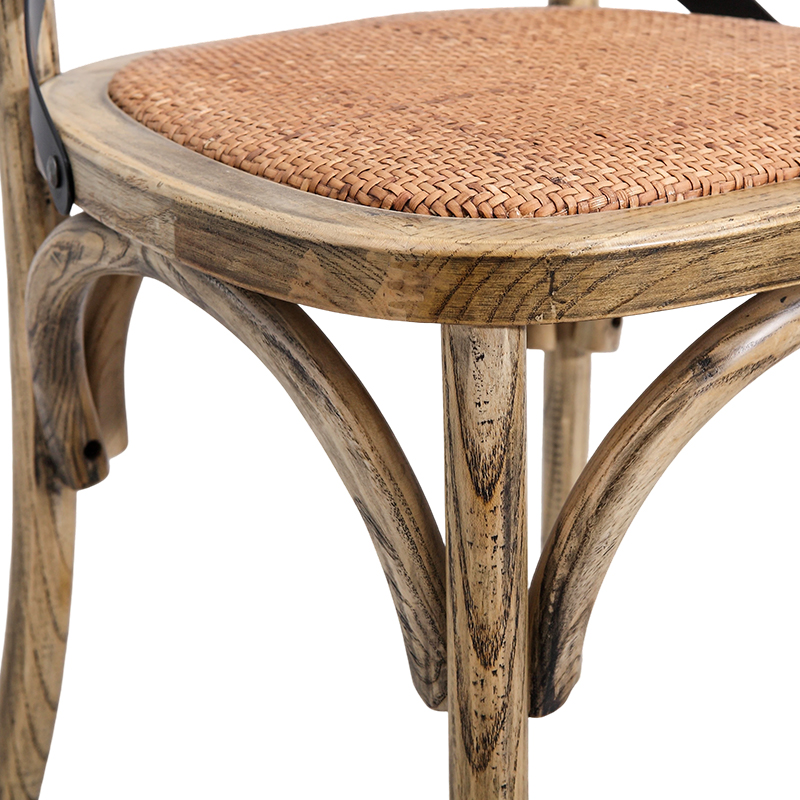 Cross Back Dining Chair with Rattan SeatSolid oak frame and breathable woven rattan seat with a metal cross back, suited to dining rooms and available in wood or stackable versions.View Product →
The seat mat is the part that takes the load. Press the center of the weave with two fingers at each quarterly inspection: a small amount of give is normal, a hollow thump or visible sag is the signal to have it re-woven before the frame starts carrying weight it was not designed for.
Vacuum upholstery weekly on low suction, and blot spills rather than rubbing them, working from the edge inward. PU and leather-texture surfaces should be wiped with a pH-neutral foam and dried immediately; alcohol, solvents and abrasive pads strip the top layer and start the peeling that no repair can hide. Rotate loose cushions monthly and rotate chairs between positions if one seat gets all the traffic.
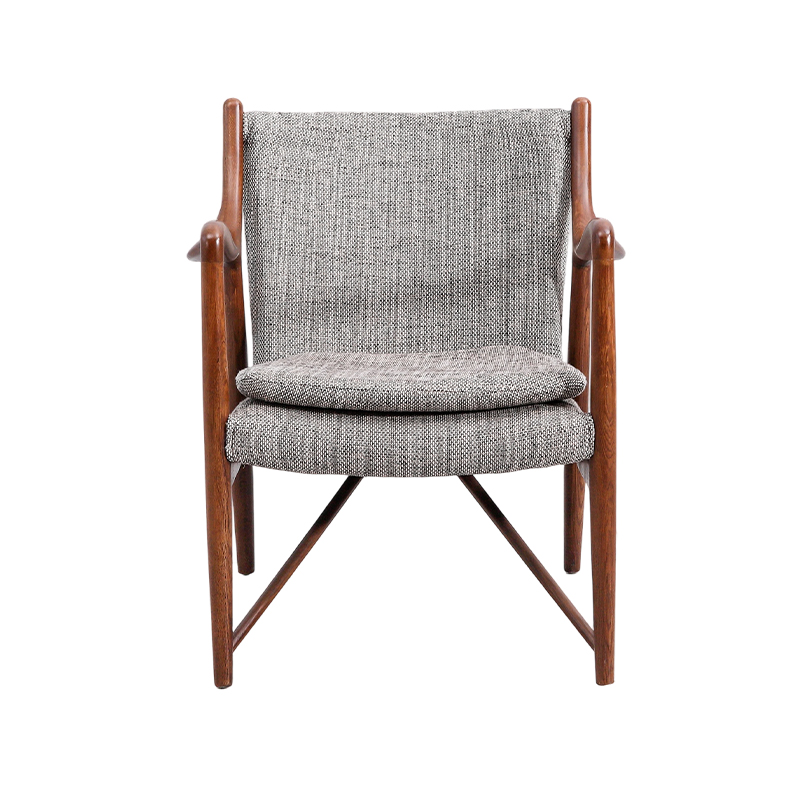
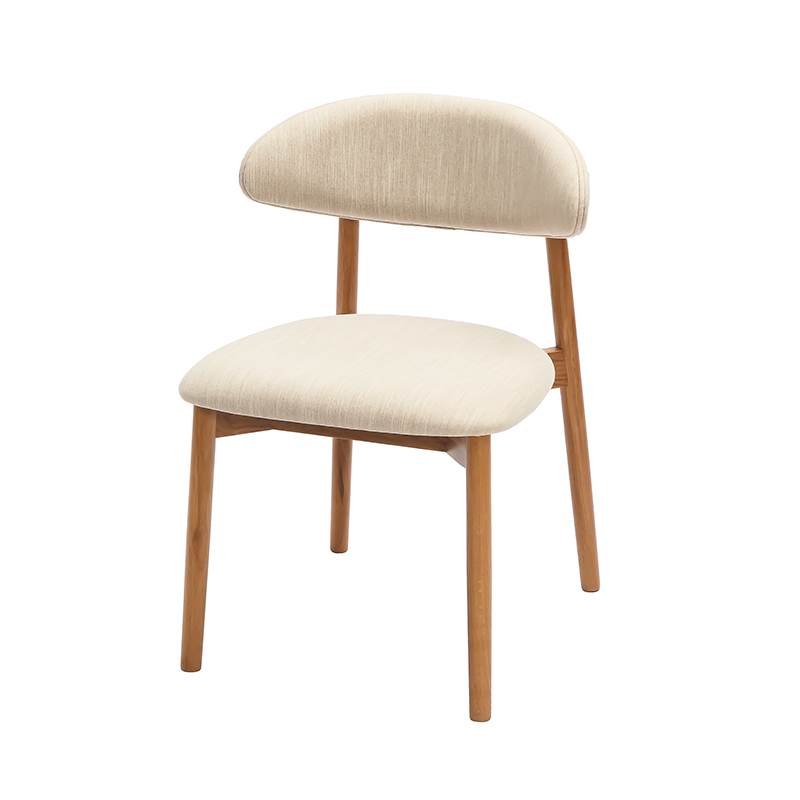 Oak Dining Chair with Off-White Upholstered SeatSolid oak frame, padded off-white seat and curved backrest provide comfort for long meals; suitable for homes and restaurants.View Product →
Pale covers such as off-white or light olive show ring marks first. Deal with them in the first week; once a stain has cured into the fiber, only professional cleaning will lift it.
The numbers below assume residential living room and dining use at 40 to 60 percent relative humidity. Commercial dining rooms, bars and lounges should roughly double the cleaning frequency and halve the inspection interval.
When customers report a chair or table that "did not last", the reason is almost never the timber grade. In our own after-sales review of residential and hospitality claims from 2023 to 2025, five causes accounted for nearly every premature failure. The ranking below is a working estimate drawn from service records, not a laboratory study, but it matches what our production team sees on returned frames.
Read the chart as a budget. Two thirds of avoidable damage is environmental, which means it is controllable without buying anything except a hygrometer and a pack of felt pads. Cleaning products are the smallest but most underestimated line: an abrasive cream used once a month will strip a lacquer edge in under two years.
Material mix matters to maintenance planning, because each group needs a different routine. Across recent residential living room orders, solid wood frames remain the backbone, woven seating is growing fastest in warm-climate markets, and upholstery takes the largest share of the premium segment.
The practical takeaway: if more than half of a room is woven or upholstered, humidity control stops being a nice-to-have. Wood frames tolerate a dry week; a rattan seat and a foam cushion do not.
Put the routine in the calendar on the first weekend of each quarter. Working through the same order every time means nothing gets skipped.
Care is cheap; restoration is not. As a planning figure, repolishing a solid wood chair frame usually lands at 15 to 25 percent of the original purchase price, replacing seat foam and webbing at 20 to 30 percent, and hand re-weaving a rattan seat can exceed 40 percent because the work cannot be mechanised. A quarterly routine of about two hours a year, a hygrometer and a pack of felt pads is the entire budget it takes to avoid most of that.
When buying, inspect the things that decide whether care is even possible. Ask for foam density in kg/m³ rather than "high density", confirm whether the finish is oil or lacquer because the two need opposite treatment, check that cushion covers are removable, and look at the joinery: mortise-and-tenon and dowel joints can be tightened for years, while staples and cam locks usually cannot.
Keep a simple file per piece: purchase date, finish type, foam specification, care instructions and warranty terms. Photograph the frame and the seat surface on delivery day and again every year. If a claim is ever needed, that record settles arguments about whether damage is a manufacturing fault or an environment issue.
For contract and hospitality buyers, three documents belong in the same folder: fire-retardancy test reports for foam and fabric, low-emission certification for boards and adhesives, and material sourcing evidence. Our own position on material choices is set out in the sustainability overview, and it is worth reading before a tender rather than after.
Finally, watch placement in cold climates. Pushing a chair or table hard against an exterior wall traps condensation behind the frame, and no amount of oiling will fix a back rail that has been damp since November. Ten centimetres of air gap is the cheapest insurance in the room.
Most living room furniture does not wear out. It dries out, fades, compresses or gets scrubbed too hard, and every one of those outcomes is decided by habits set in the first few months. Control the humidity, clean little and often, inspect quarterly, and the chair that arrived this month will still be the one you argue over in a decade.




Innovation Oriented, Quality As Life.
Feel free to reach our if you want to collaborate with us, or simply have a chat.
Become a Client 
Product Category
Wood Upholstered Chair
Woven Wood Chair
Wood Bar Stools
Wood Table
FSC Certified Wood Chairs
Wooden Rattan Chairs
Solid Wood Dining Chair
Modern Wooden Dining Chair
Contact Information
 +86-571-63521858
+86-571-63525898
 furniture@hzchangshun.com
emilypeng@hzchangshun.com
 No. 88, Zhumufan, Yushan Township, Fuyang District, Hangzhou City, Zhejiang Province, China


 EN

 English
 中文简体
 Español