2026/10/08
You have a lower back that complains after 20 minutes in the wrong chair. You see a classic Adirondack chair at a friend’s patio and wonder: will that deep recline help or hurt? The honest answer is that Adirondack chairs are not automatically good or bad for your back. They work when the recline angle, lumbar curve, and seat depth match your body. They fail when the backrest is too upright, the seat is too deep, or the lumbar area is completely flat.
Core conclusion: A well-designed Adirondack chair can reduce disc pressure for 30–60 minutes because its reclined backrest shifts weight off the lumbar spine. But if the chair lacks a lumbar curve or forces your hips forward, it can increase slouching and upper-back strain. Test before you buy, and add a lumbar cushion if the chair has a flat back.
Content
Adirondack chairs are built around a few simple angles. Each one changes how your spine loads.
A recline of 100–110 degrees from vertical is the sweet spot for most adults. It opens the hip angle, reduces pressure on the intervertebral discs, and lets the backrest take some upper-body weight. At 90 degrees, the chair behaves like a dining chair: your core must work harder. Beyond 120 degrees, your head may push forward, and your lower back can round into a C-shape.
The lower back needs a gentle inward curve. Many Adirondack chairs have a flat or slightly bowed back. That is fine for lounging, but it does not match the lumbar lordosis. A rolled towel or a purpose-made cushion can bridge the gap. Some manufacturers build in a lumbar curve; those chairs usually feel better after 20 minutes. The same lumbar design principles apply to dining and bar seating.
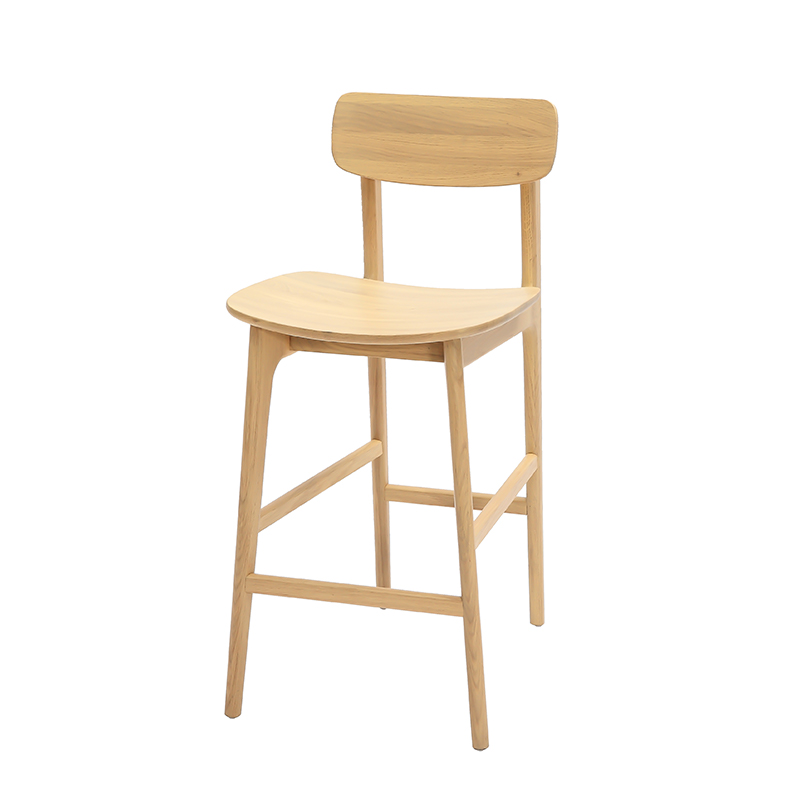
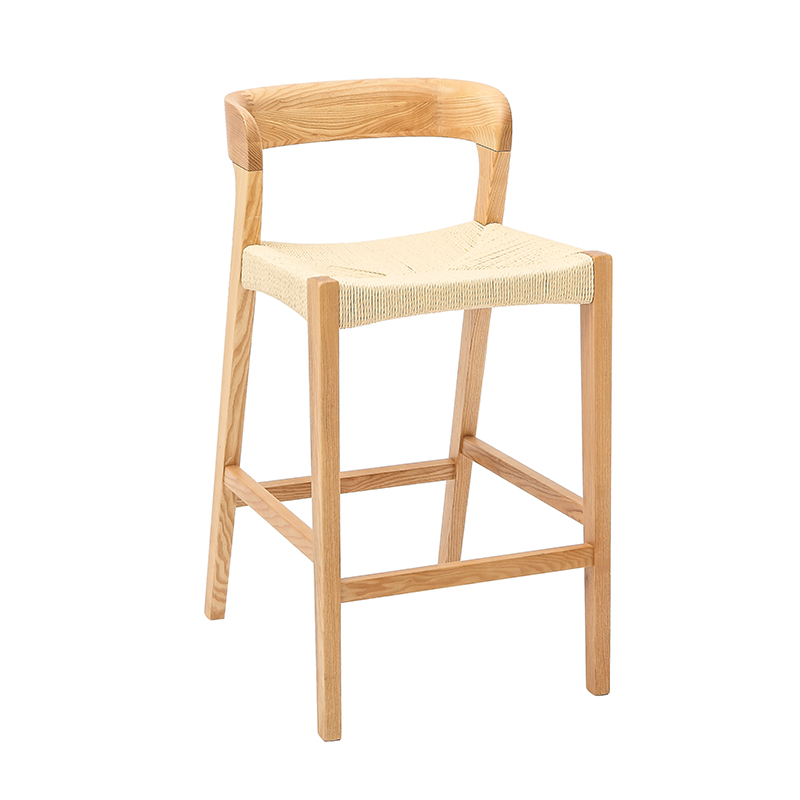
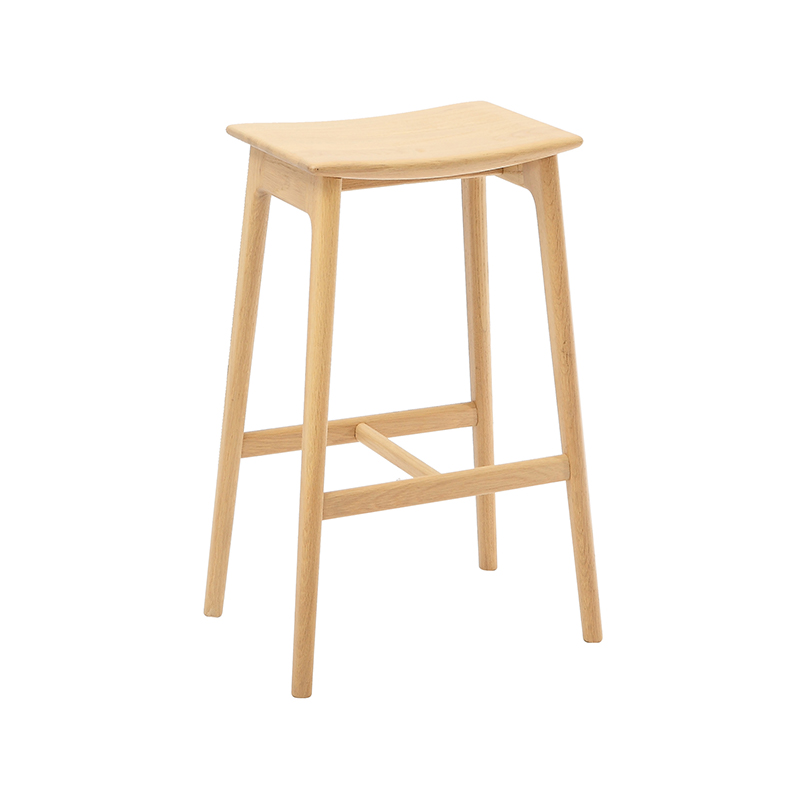
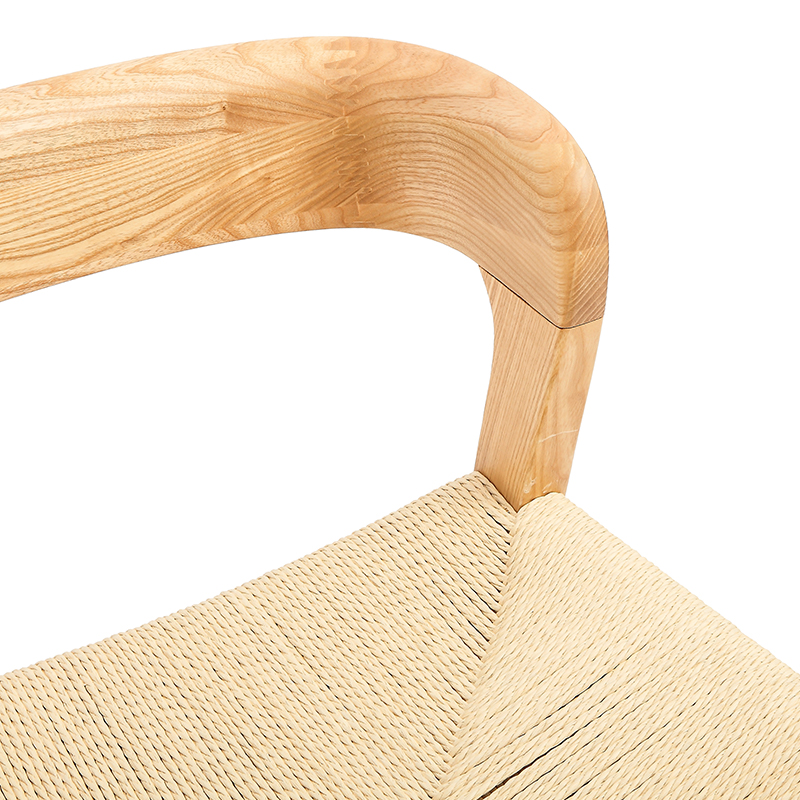 Wholesale Rope Woven Bar Stool with Lumbar SupportCompact rubberwood bar stool with rope-woven design, upholstered seat, and built-in lumbar support for ergonomic seating in home or commercial bars.View Product →
If the seat is too deep, you slide forward to keep your feet on the ground. That flattens your lumbar curve and loads your neck. Aim for 2–4 inches of space between the seat edge and the back of your knees. For a typical adult, a seat depth of 17–20 inches works. Seat height should let your feet rest flat without your thighs taking pressure.
Wide armrests help you rise without twisting your spine. Wooden Adirondack chairs are rigid, so they do not absorb shock, but they also do not sag. A rigid seat pan can create pressure points at the sit bones, so a thin cushion can help. Woven or slatted surfaces allow air flow and reduce heat buildup, which matters if you sit for long periods.
100–110 degrees from vertical
2–4 inches of inward curve support
17–20 inches for most adults
We plotted relative lumbar pressure against recline angle. Lower is better. The U-shape shows why 100–110 degrees is often recommended.
Bar height represents an index of lumbar compression. The 100–110° range keeps the spine closer to its natural curve. At 90°, the chair forces an upright posture that can fatigue the back muscles. At 120°, the pelvis may roll back and the upper back may round.
Outdoor leisure chairs (Adirondack, lounge): 35%
Dining and upholstered chairs: 25%
Office ergonomic chairs: 20%
Bar stools and other: 20%
These shares are indicative estimates from general furniture market data, not a single retailer’s sales. Adirondack chairs dominate the outdoor leisure segment because they are durable and easy to recognize, but their back support varies widely by maker.
Use this step-by-step check before you commit to a chair. Bring a small pillow if you are testing in a store.
Seat depth: 2–4 finger gap behind the knees.
Recline: 100–110 degrees from vertical.
Lumbar: add a roll if the backrest is flat.
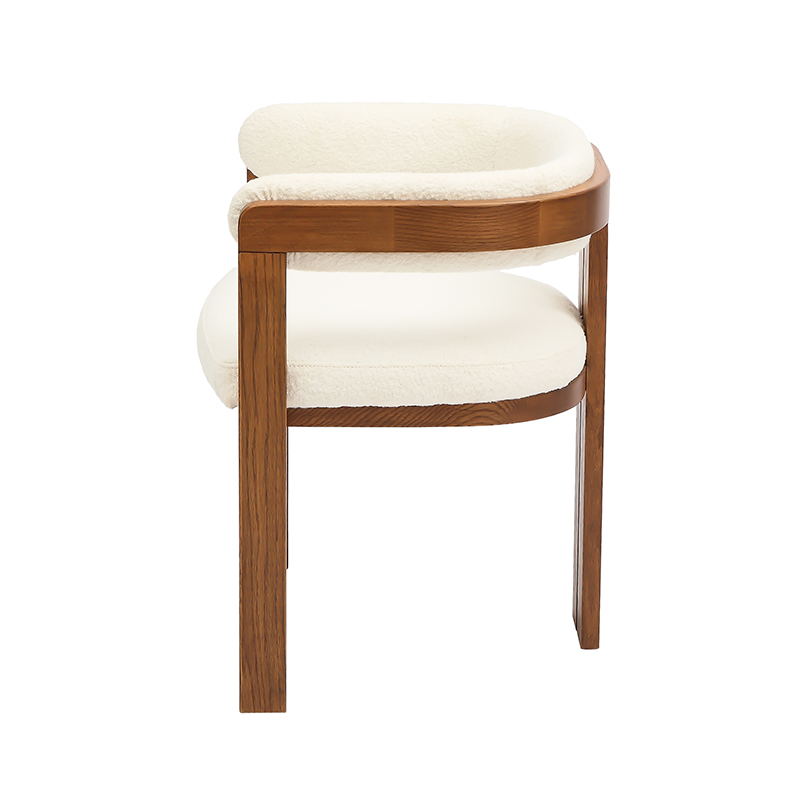 Tripod Dining Upholstered Chair with Wraparound Lumbar SupportSolid oak tripod dining chair with boucle upholstery and wraparound lumbar support, suited to long meals and modern Scandinavian or Japanese interiors.View Product →
If you prefer a chair with a built-in wrap-around lumbar support, the same ergonomic logic applies to indoor dining and bar seating. A chair that supports the lower back can make a long dinner more comfortable, whether it is an Adirondack or an upholstered dining chair.
Back support does not stop at the showroom. Loose joints, worn cushions, and UV damage can change the chair’s angles and reduce comfort.
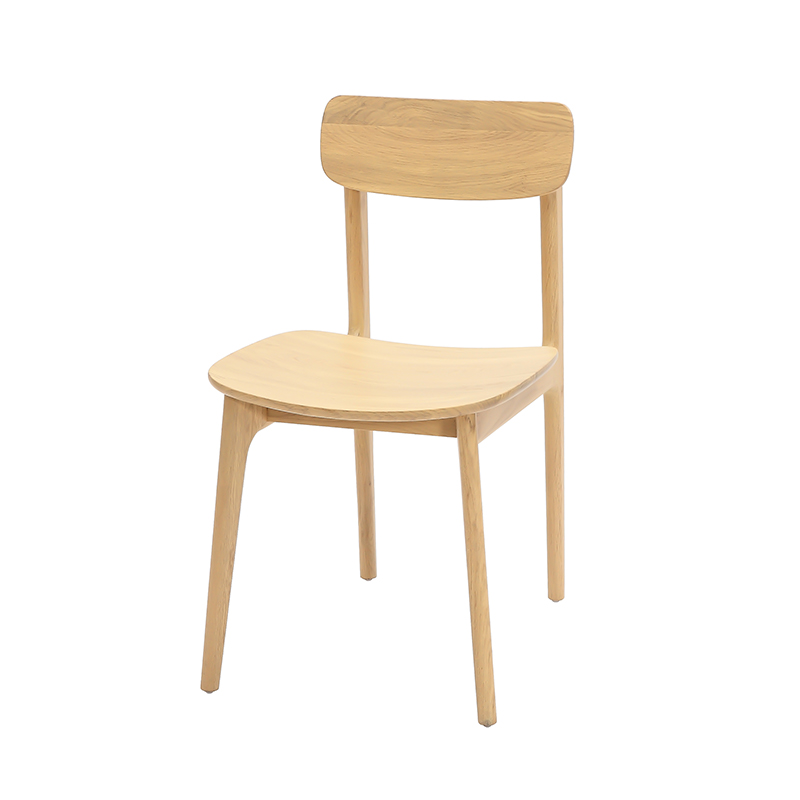
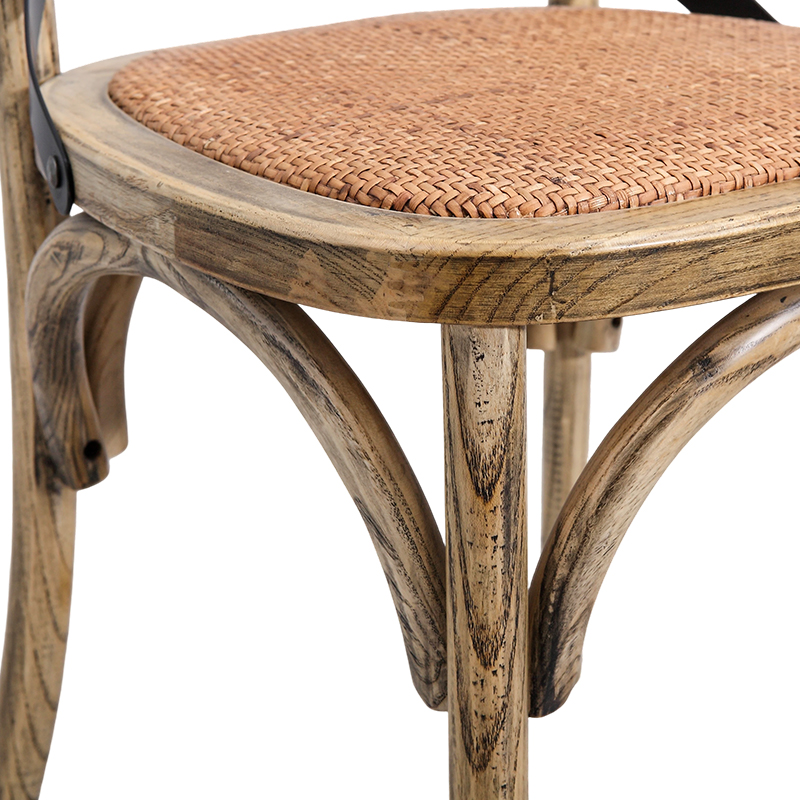 Cross Back Dining Chair with Rattan MatSolid oak dining chair with breathable woven rattan seat and metal cross-back detail, available in stackable version for flexible dining spaces.View Product →
For indoor seating, a cross-back chair with a rattan mat can offer a similar balance of airflow and firm support. The key is to keep the lower back in a neutral curve, not to force it into a rigid line.
Adirondack chairs can be good for your back when they are chosen and adjusted for your body. Prioritize a 100–110 degree recline, a seat depth that leaves a small gap behind your knees, and some form of lumbar support. If the chair is flat, add a cushion. If you already have disc issues or spinal stenosis, test the chair for 15 minutes before buying, and consider a model with a built-in curve. With the right geometry, the classic Adirondack shape can be a comfortable place to rest, not a source of pain.




Innovation Oriented, Quality As Life.
Feel free to reach our if you want to collaborate with us, or simply have a chat.
Become a Client 
Product Category
Wood Upholstered Chair
Woven Wood Chair
Wood Bar Stools
Wood Table
FSC Certified Wood Chairs
Wooden Rattan Chairs
Solid Wood Dining Chair
Modern Wooden Dining Chair
Contact Information
 +86-571-63521858
+86-571-63525898
 furniture@hzchangshun.com
emilypeng@hzchangshun.com
 No. 88, Zhumufan, Yushan Township, Fuyang District, Hangzhou City, Zhejiang Province, China


 EN
EN

 English
 中文简体
中文简体 Español