2026/09/01
A restaurant owner once selected a row of chairs because they looked comfortable in the showroom. Within three weeks, staff complained of lower back fatigue and guests began leaving after shorter seating times. The problem was not the cushion. The problem was that the chairs did nothing to support the natural curve of the spine. Backbone support for chair design is not a luxury feature. It is the difference between furniture that causes discomfort and furniture that keeps people seated longer, happier, and healthier.
Content
A chair that truly supports the backbone must do three things simultaneously: guide the spine into its natural S-shape, distribute lumbar pressure evenly, and adapt to subtle posture shifts over prolonged sitting. The best backbone support for chair solutions are not the softest ones. They are the ones engineered with precise geometry, resilient materials, and a clear understanding of how the human body behaves after forty minutes of uninterrupted sitting.
Understanding backbone support requires stepping back from marketing terms and looking at the mechanics. The human spine in profile is not a straight line. It forms a gentle S-curve with the lumbar region curving inward. When a chair lacks lumbar support, the lower back slides into a C-shape, which places uneven stress on intervertebral discs over a six-hour workday.
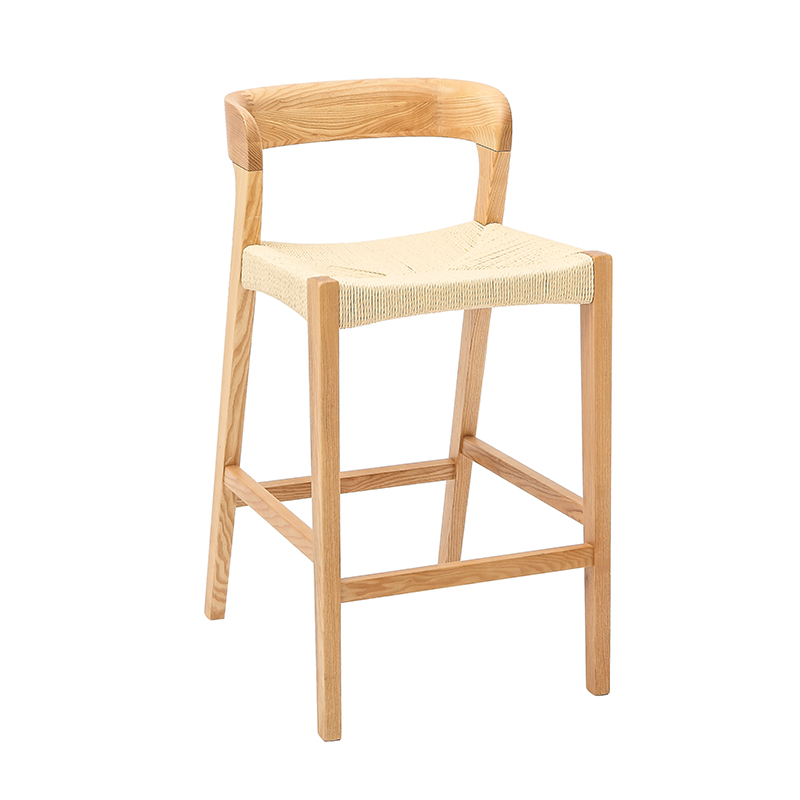
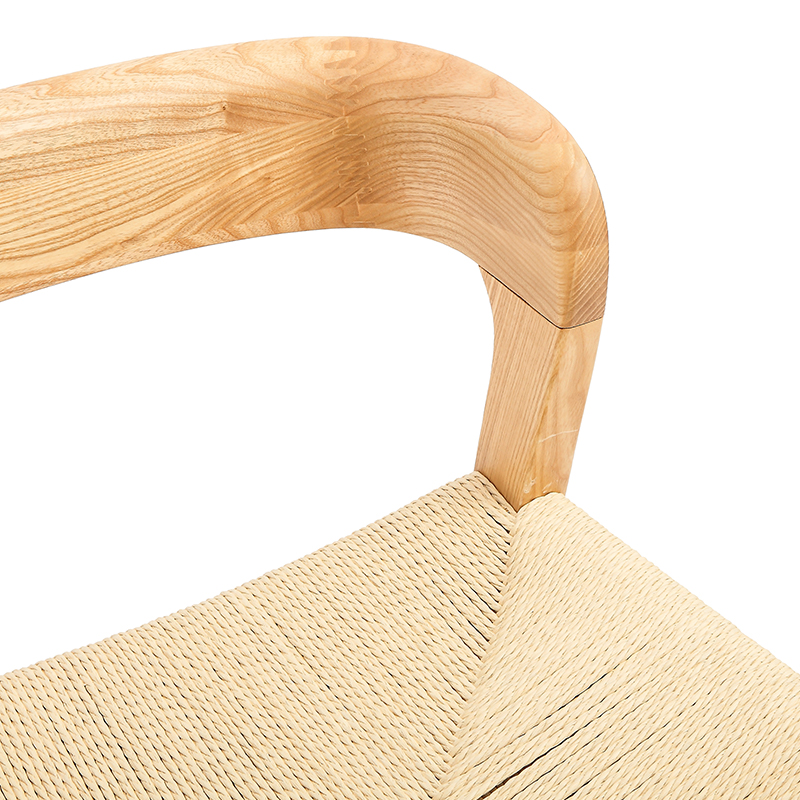 Bar Stool with Lumbar Support and Rubberwood FrameThis rope woven bar stool features a sturdy rubberwood frame and a backrest with lumbar support. Its compact dimensions and upholstered seat suit home bars or commercial lounges, helping maintain proper spine alignment during extended sitting.View Product →
In practical terms, a bar stool or dining chair that integrates these mechanisms is not trying to be the most padded object in the room. It is trying to be the most positionally correct one. When a buyer chooses a chair designed around lumbar support, they are investing in reduced absenteeism, better guest experience, and fewer complaints about sore backs. This is especially relevant for high-frequency seating environments. If you are evaluating bar stools for a hospitality project, understanding how design choices affect daily comfort is essential before committing to a bulk order.
Not all backbone support is created equal. The table below, rendered as a responsive layout for ease of reading, compares four common backrest support profiles observed in commercial furniture. The data reflects typical field feedback from food service, hospitality, and residential use.
The wraparound lumbar option consistently performs best because it supports the spine from the sides as well as from behind. This restrains the lower back from slipping into a slouched position while still permitting breathing and micro-adjustments. A design like this is especially relevant for bar-height seating, where customers often perch without a full backrest engagement unless the stool is equipped with a specifically shaped lumbar curve.
Deciding whether a chair provides good backbone support requires looking beyond perceived softness. Spinal disc pressure is a useful hidden metric because it correlates directly with back pain over time. The bar chart below visualizes relative intradiscal pressure in the lumbar region across common sitting postures. The values are normalized percentages of upright standing pressure.
The 65-point gap between slouched sitting and sitting with active lumbar support is not theoretical. This is why a chair without proper backbone support can leave a person feeling stiff after a relatively short lunch, while a well-designed chair with a wraparound lumbar curve keeps the same person relaxed through an entire dinner service. The practical takeaway: choose support by looking at the geometry, not the foam thickness.
The need for backbone support varies significantly by seating environment. Overlaying feedback from hospitality operators, interior designers, and residential buyers reveals a distinct distribution of priority across application types.
Looking at this distribution, it is easy to see why commercial purchasing decisions should not be made on style alone. A bar that expects customers to stay for several rounds of drinks will see a measurable difference in seat turnover and comfort when the chosen bar stools include intentionally shaped lumbar curves. In contrast, a fast-casual café where patrons average fifteen minutes may accept simpler seating without as much structured backbone support.
The decision process for selecting chairs with proper backbone support does not have to be complicated. The following five-step approach can be used by a purchasing manager, interior designer, or individual homeowner.
Is the chair intended for twenty-minute waits or three-hour conversations? Longer sessions demand more engineered lumbar fixtures.
Place the backrest against a wall. If the curve does not touch the lower back area when someone sits, it is decorative, not functional. A good stool or chair has a face-contoured curve, just as the seat has a face-contoured dip.
Sit for five minutes, then stand. Observe whether the lower back feels supported or strained. Adjust the original posture slightly and see if the chair follows the body instead of fighting it.
A wraparound lumbar support that feels comfortable at a dining table may also perform nicely at bar height, but do not overlook the added requirement for footrests in taller stools.
Foam and woven materials age differently. Wraparound lumbar panels made with natural fibers last longer and offer more breathability, which matters in warm climate hospitality settings.
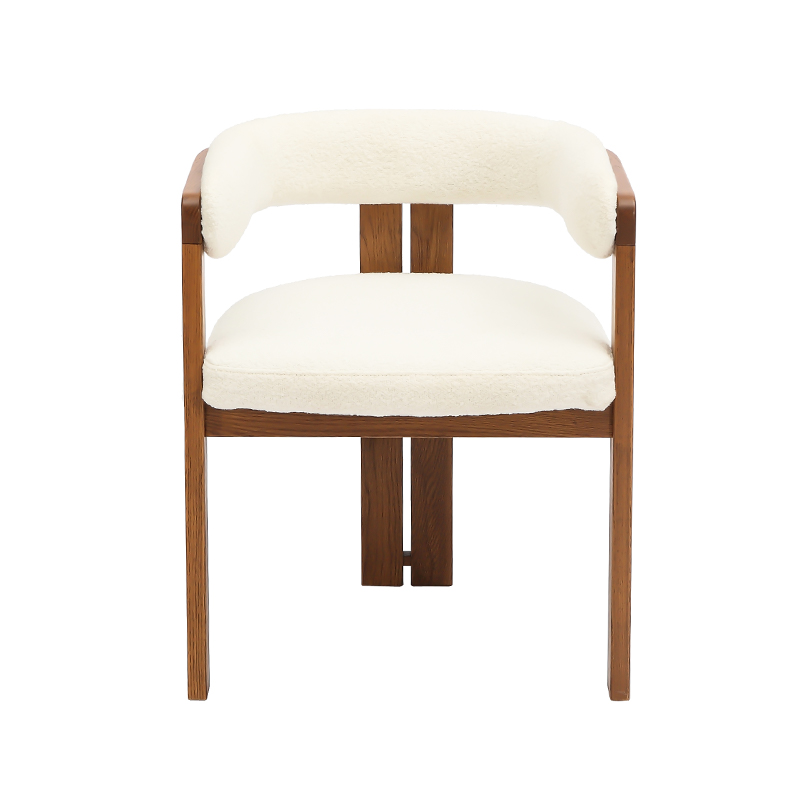
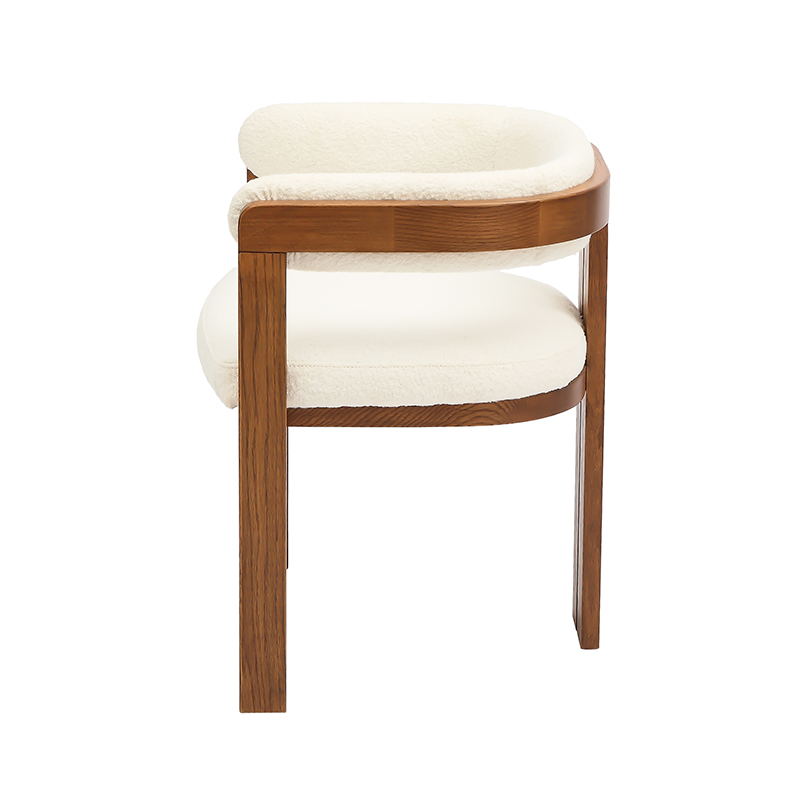 Tripod Dining Chair with Oak Frame and Boucle UpholsteryThis chair's tripod oak base and wraparound lumbar support offer stability and ergonomic alignment. The boucle fabric adds softness, making it a durable choice for dining or commercial settings where breathability and comfort are priorities.View Product →
When evaluating a premium dining chair, it helps to look at the connection between the tripod base and the wraparound lumbar shape. The base allows the seat to tilt subtly, while the lumbar curve keeps the spine stable. This combination is rare and worth testing before signing off on a large renovation order. Purchasing managers will often reference a comfort guide that breaks down upholstered chair styles and how they relate to actual seating behavior.
A chair that supports the backbone correctly needs to keep supporting it over time. Maintenance routines, material durability, and compliance with seating safety standards all contribute to the long-term value of the product.
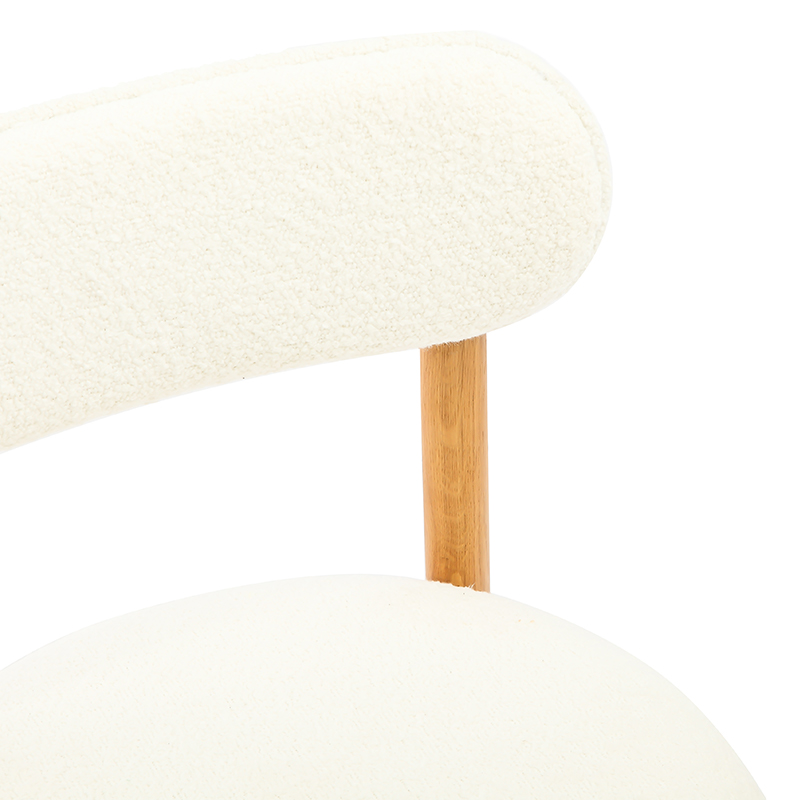 Oak Dining Chair with Fleece Seat and Back CushionsSolid oak construction and white fleece cushions provide lasting comfort and warmth. This chair's proportions fit standard tables, while the upholstered seat and back support the spine, making it suitable for dining or accent use in residential or light commercial spaces.View Product →
When a chair is intended for export or high-traffic commercial use, backbone support design must also fit within recognized furniture performance frameworks. For example, seating intended for European markets should be assessed against the EN 1728 standard, which covers strength and durability of seating structures. For the North American market, ANSI/BIFMA X5.1 offers a testing baseline for chairs in general. A lumbar support panel contributes directly to performance in these tests because it is a load-bearing component, and a structurally solid lumbar curve prevents long-term deflection that could change how the support interacts with the sitter's spine.
Finally, no chair can replace the need to stand and stretch. Even the best backbone support benefits from short breaks. For commercial spaces with staff members sitting for long shifts, pairing well-designed chairs with reminders to change posture every hour will yield the best outcomes. The seat is a tool, and like any tool, it must be used well for the body to respond in kind.




Innovation Oriented, Quality As Life.
Feel free to reach our if you want to collaborate with us, or simply have a chat.
Become a Client 
Product Category
Wood Upholstered Chair
Woven Wood Chair
Wood Bar Stools
Wood Table
FSC Certified Wood Chairs
Wooden Rattan Chairs
Solid Wood Dining Chair
Modern Wooden Dining Chair
Contact Information
 +86-571-63521858
+86-571-63525898
 furniture@hzchangshun.com
emilypeng@hzchangshun.com
 No. 88, Zhumufan, Yushan Township, Fuyang District, Hangzhou City, Zhejiang Province, China


 EN
EN

 English
 中文简体
中文简体 Español