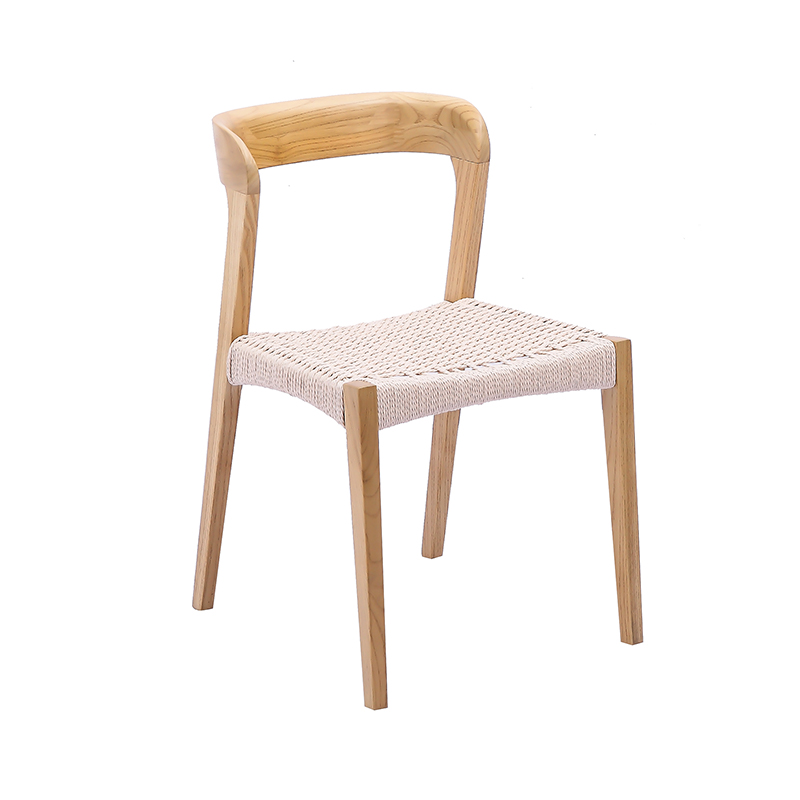
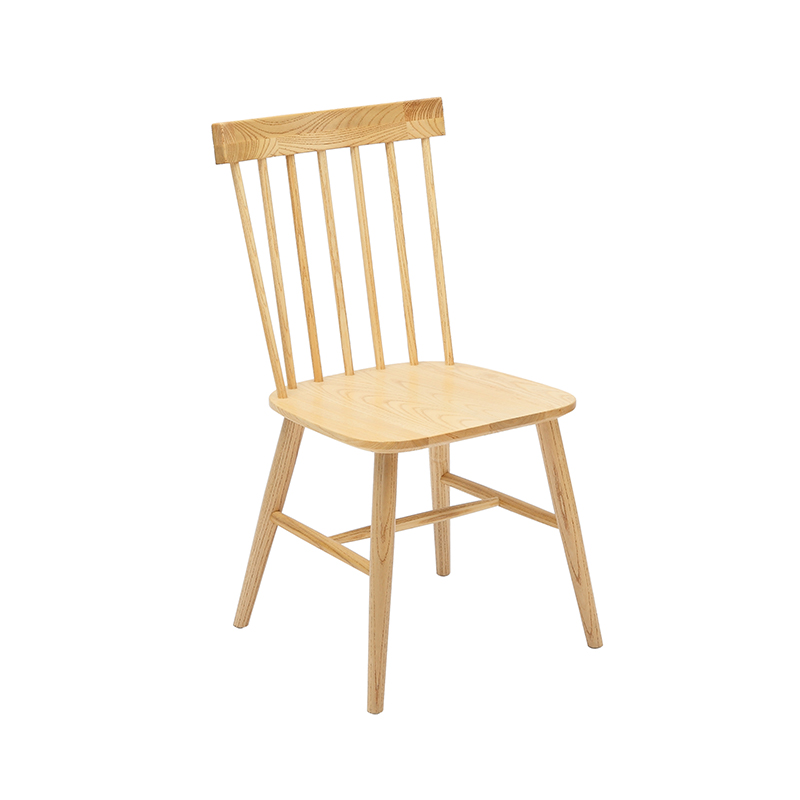
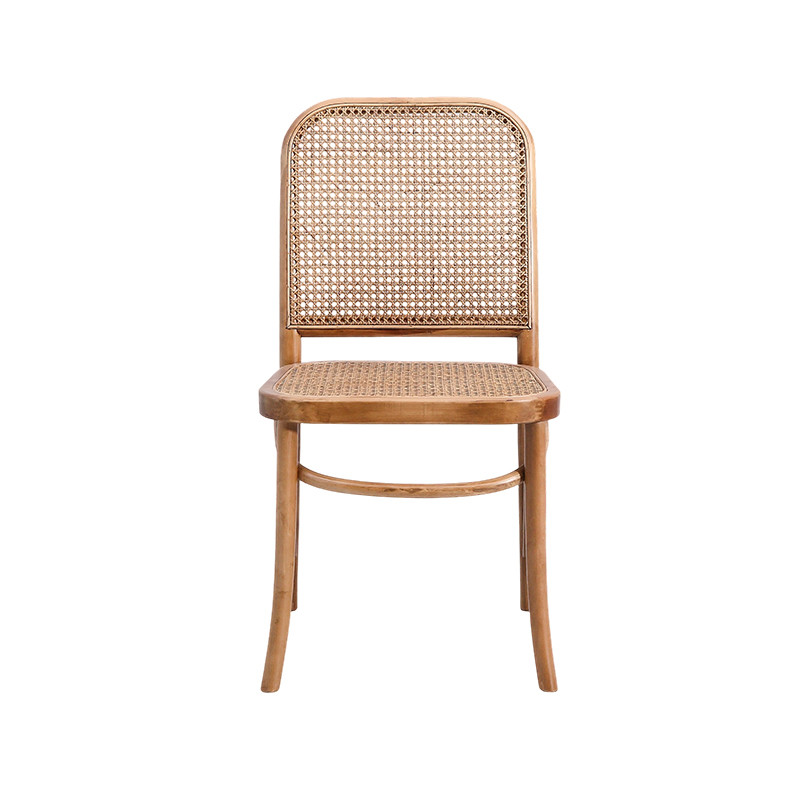
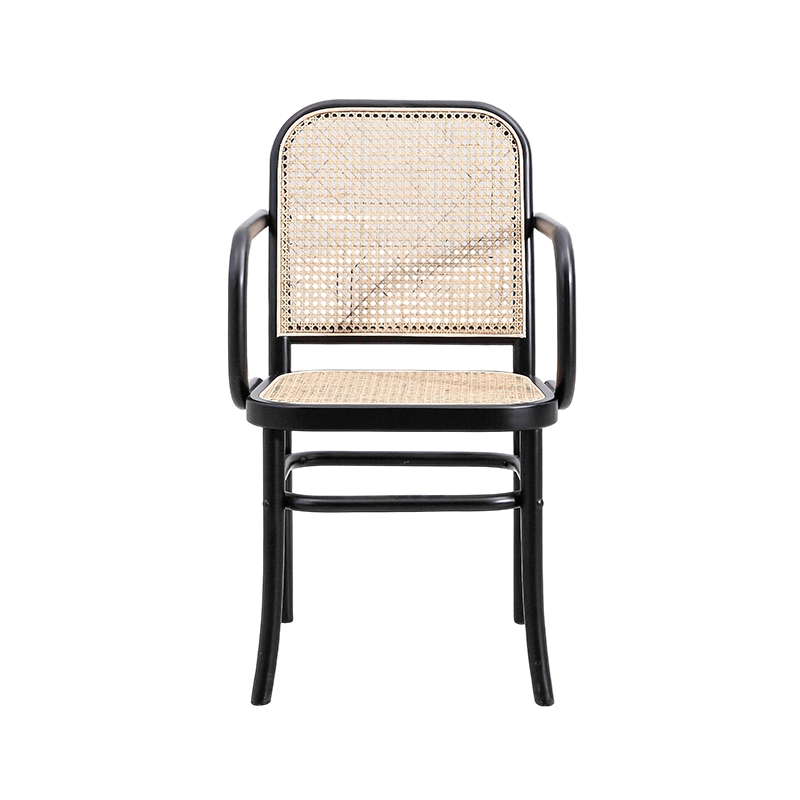
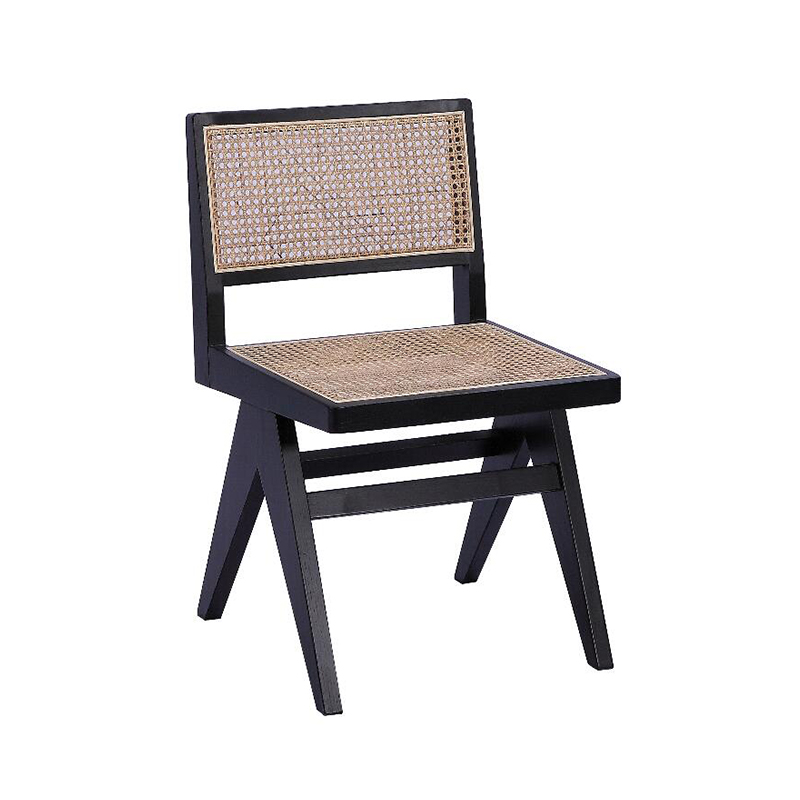
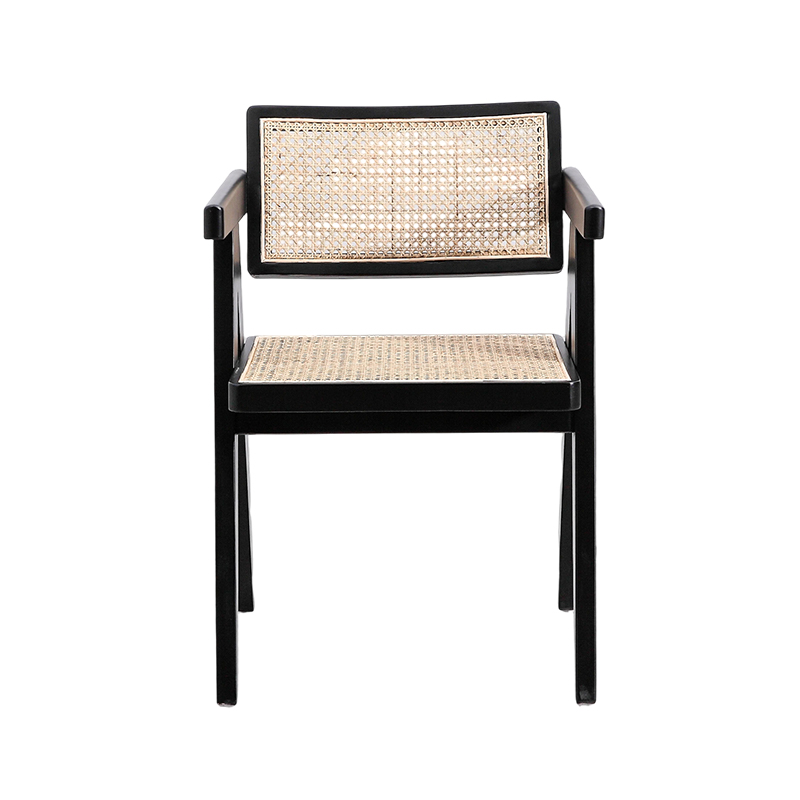
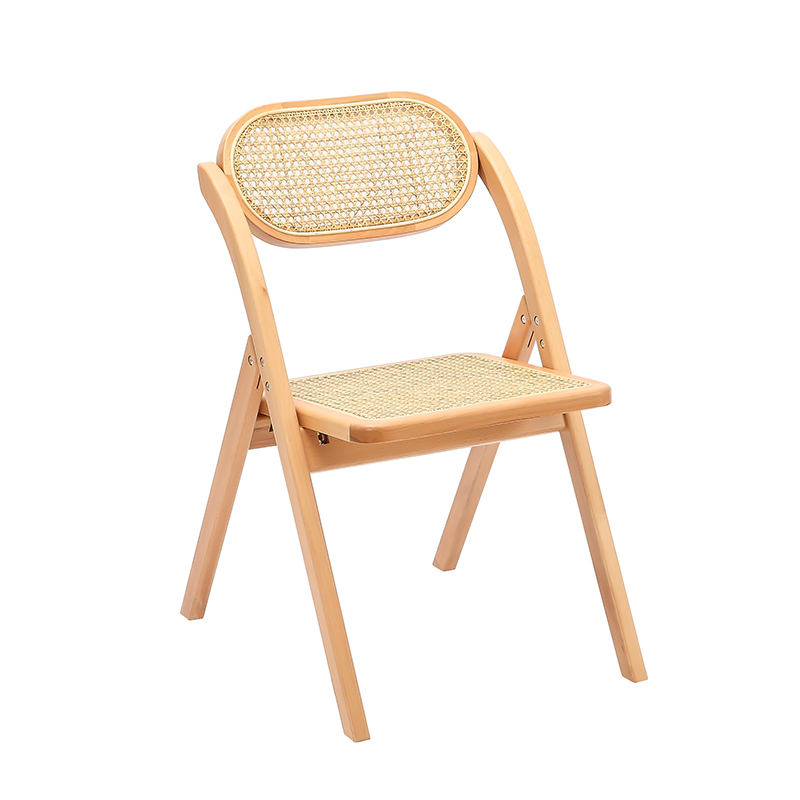
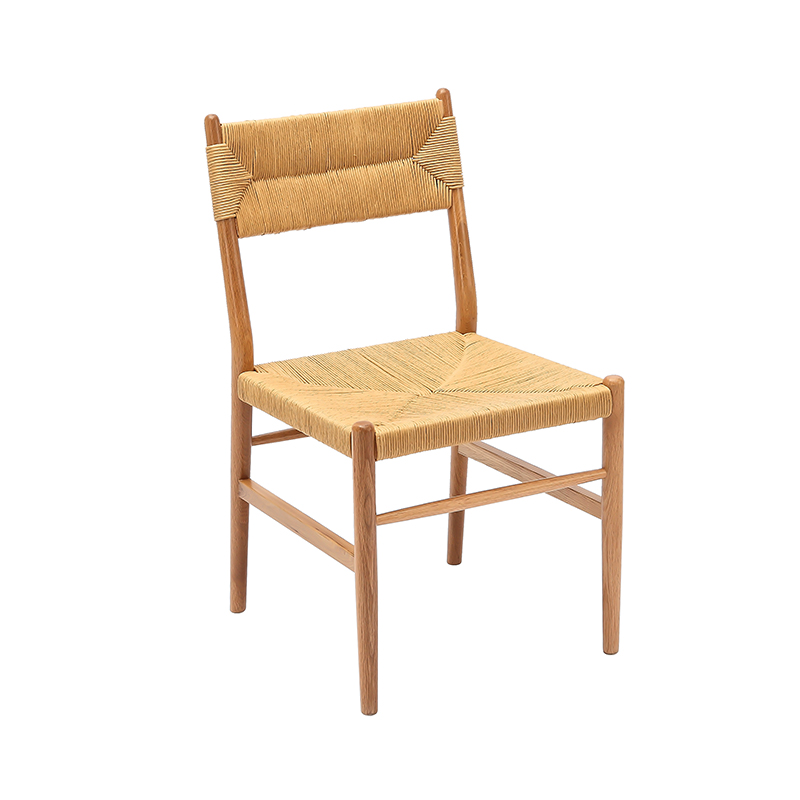
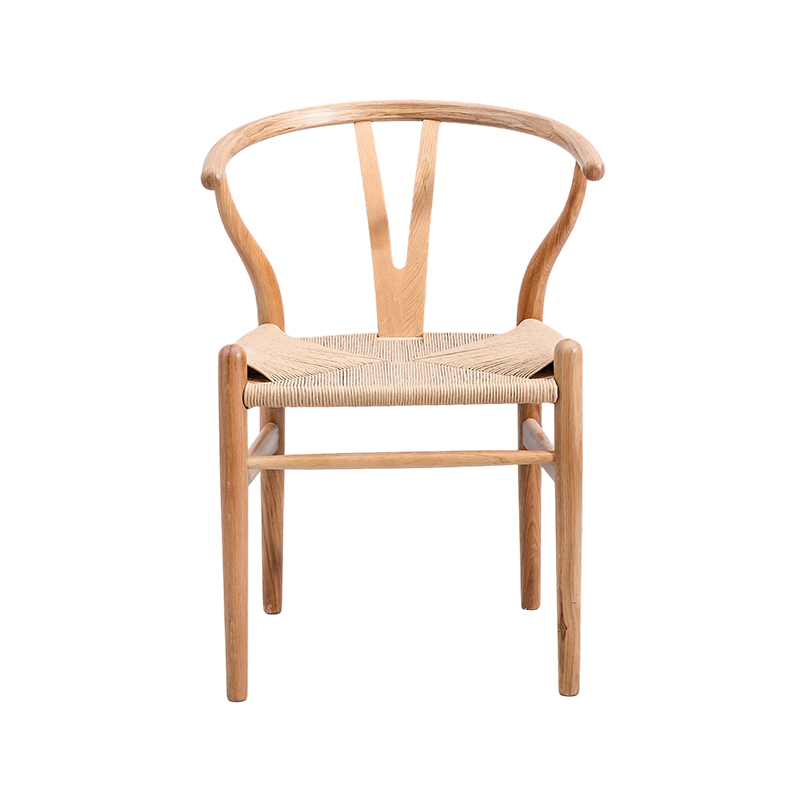
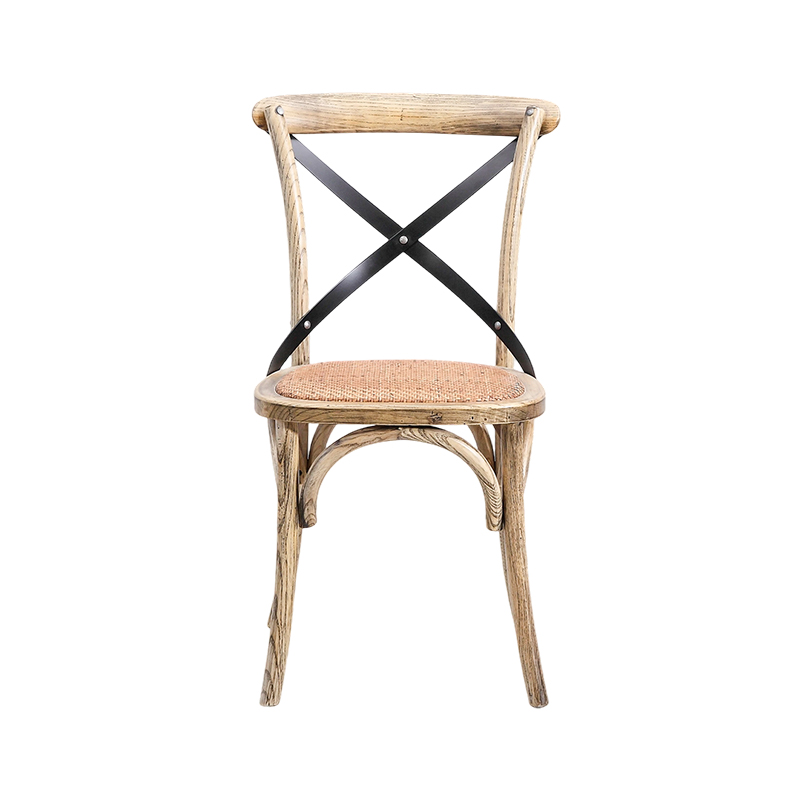
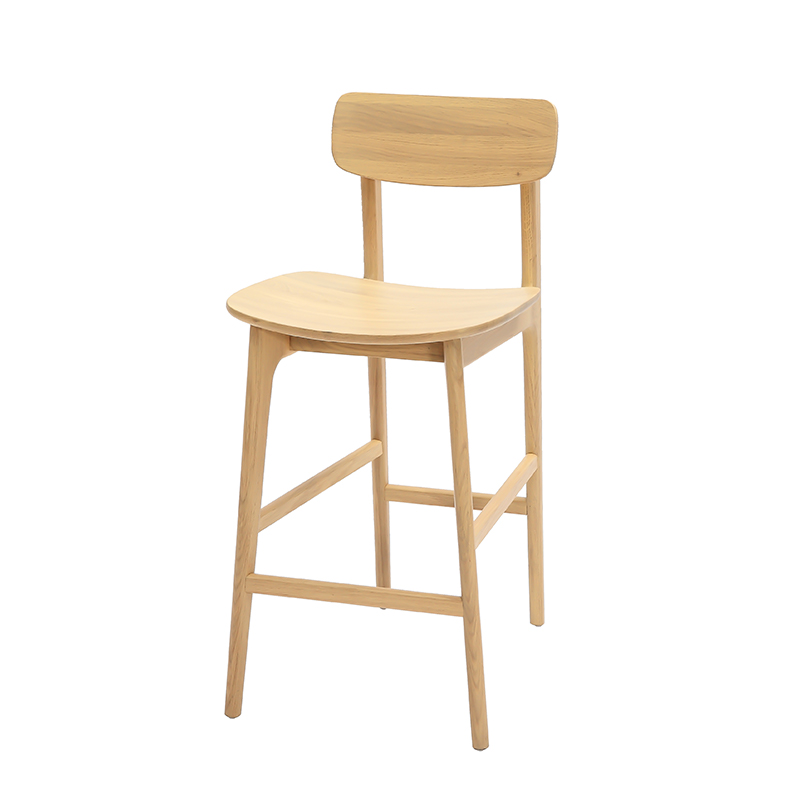
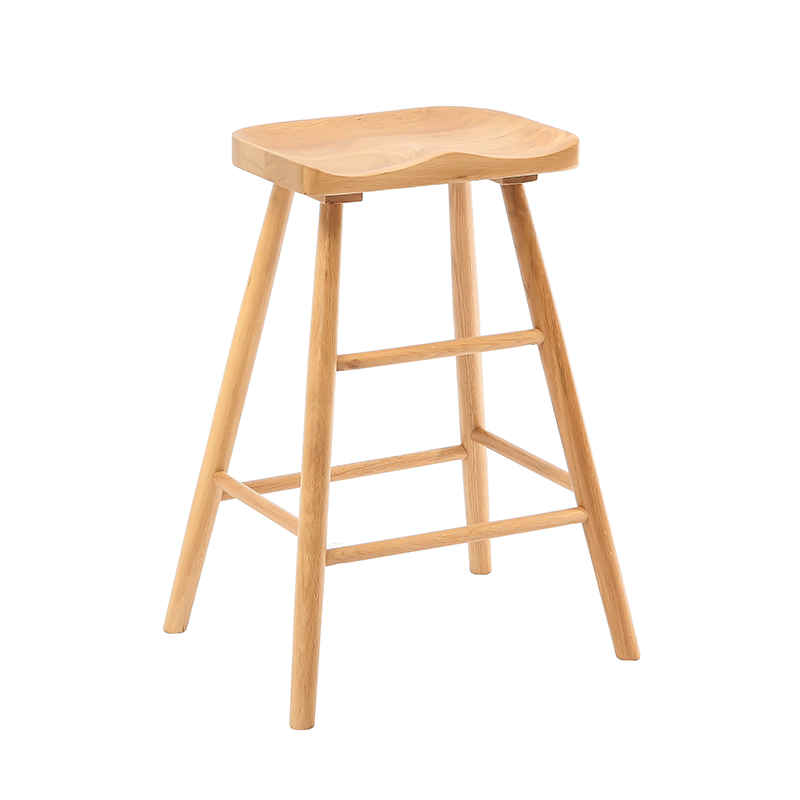
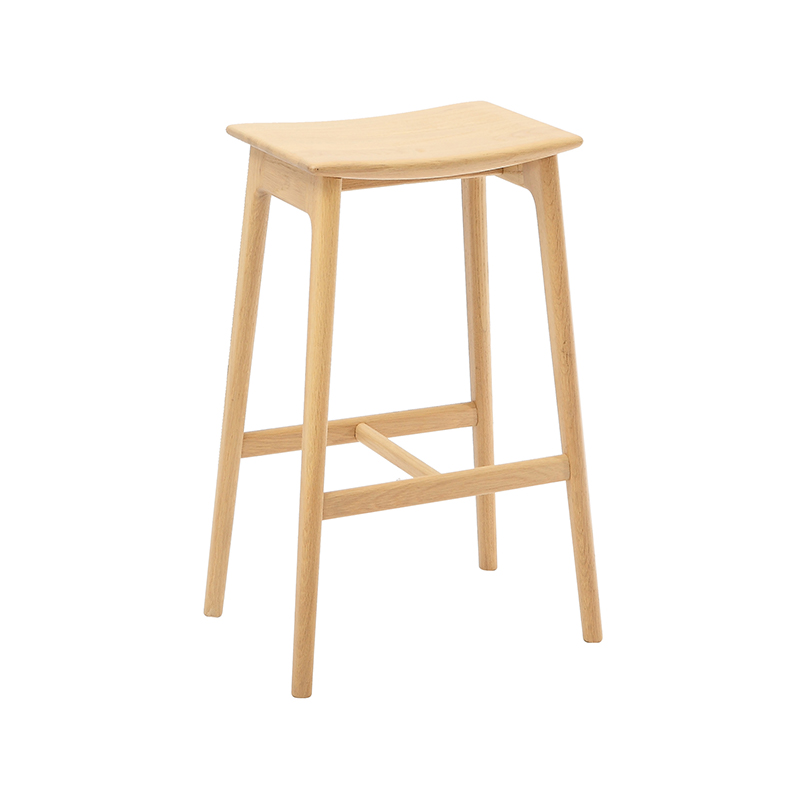
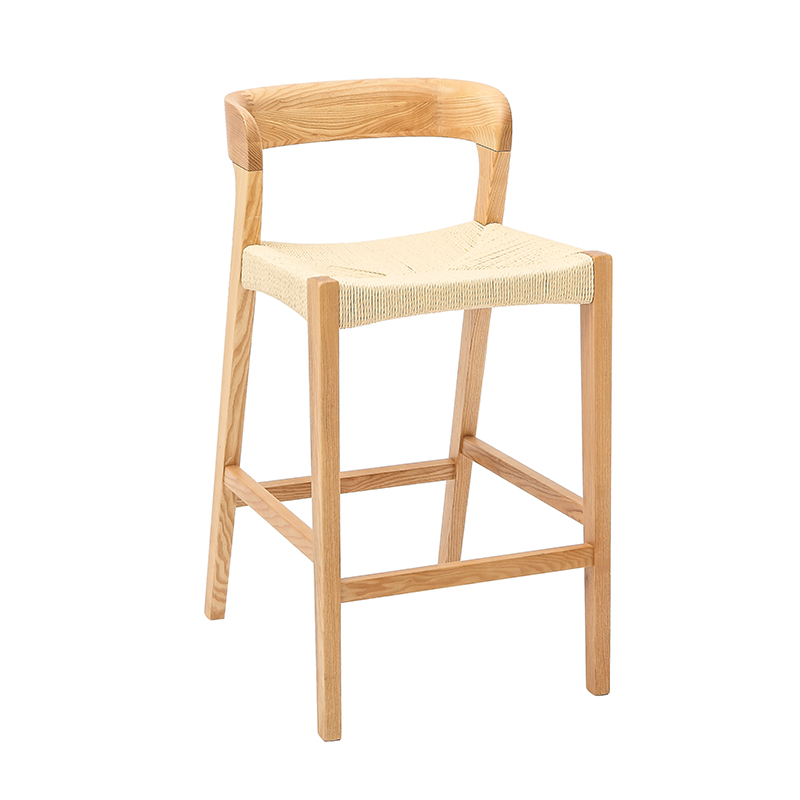
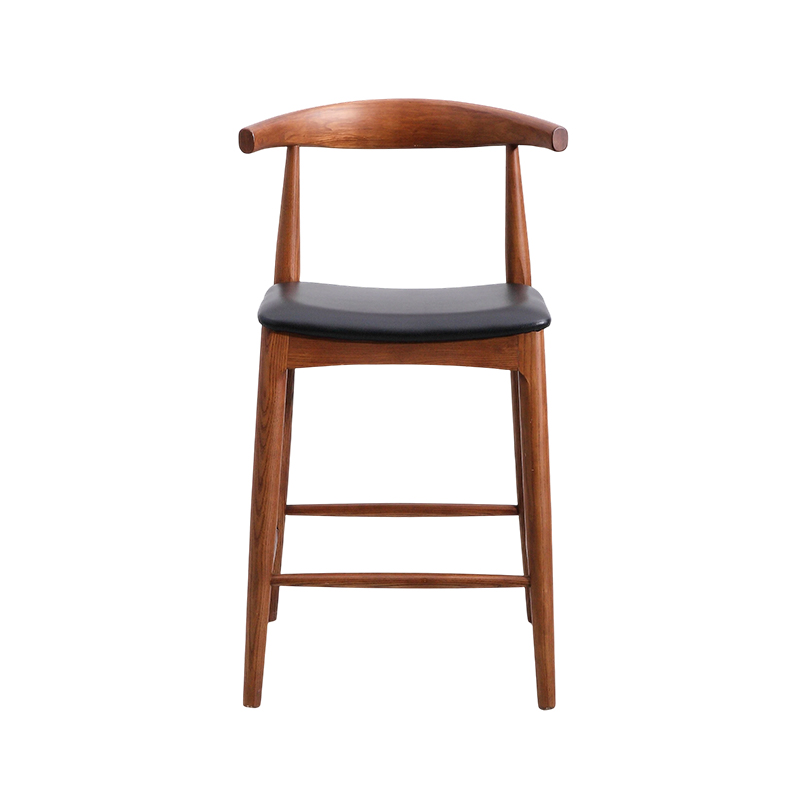
Our Collections
About Changshun
Your Trustworthy Company
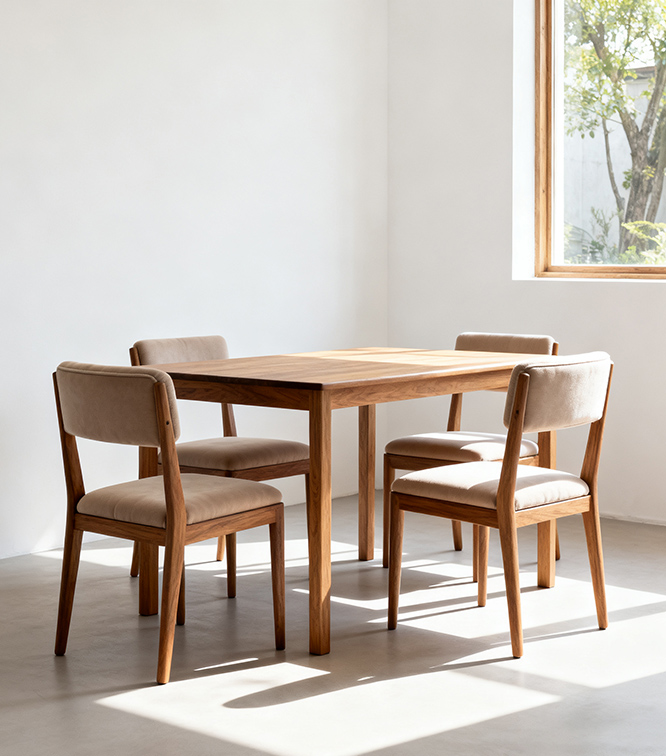
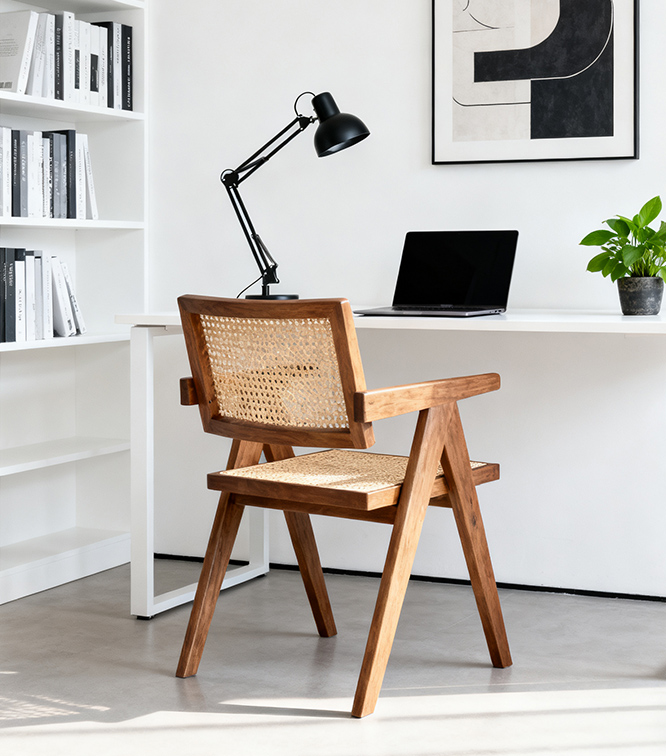
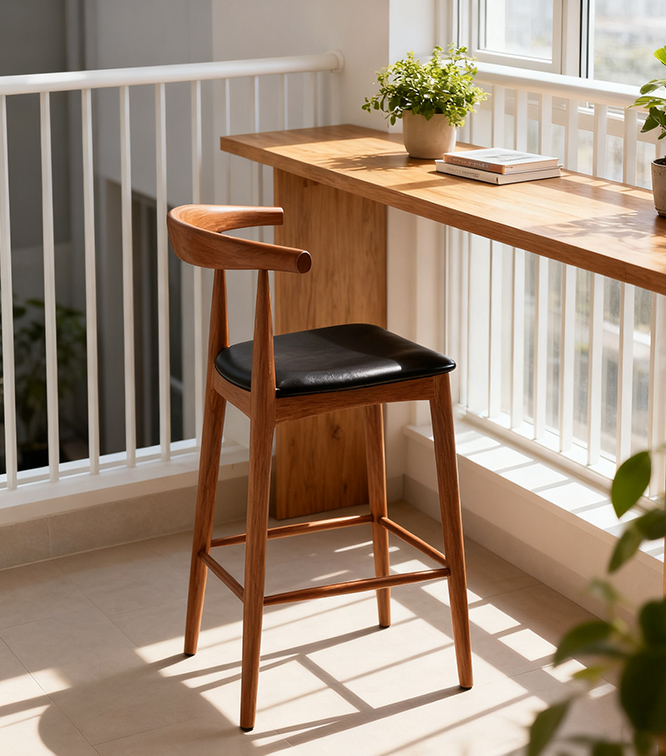
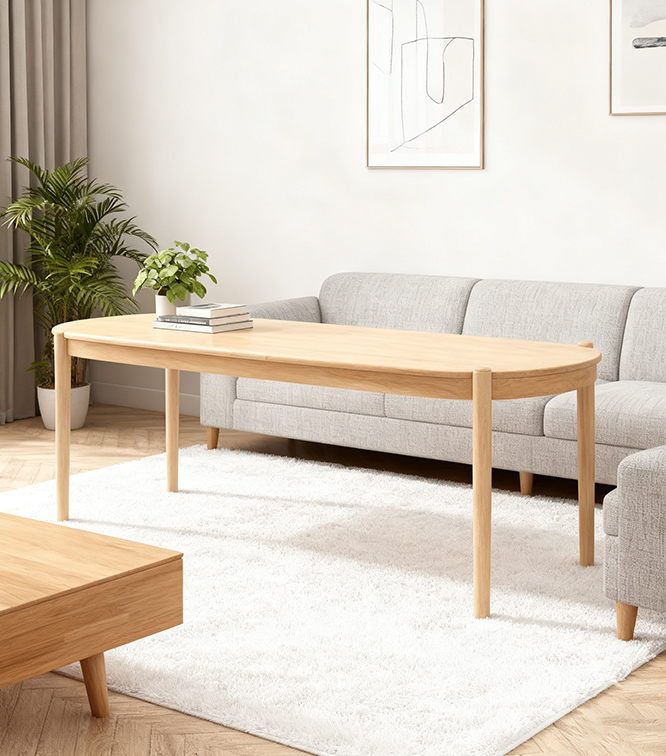
Hangzhou Changshun Furniture Co., Ltd. is an integrated manufacturer and trading company engaged in the design, development, production, and sales of wooden and rattan chairs and tables. Solid Wooden Dining Chair Manufacturers and OEM Modern Dining Chair Factory in China.
Our products emphasize meticulous design and utilize eco-friendly materials to ensure safety and health. Additionally, we provide premium after-sales service to address any issues during use, ensuring customers enjoy a worry-free shopping experience.
With over two decades of dedicated effort, Hangzhou Changshun Furniture Co., Ltd. has successfully expanded its market to Europe, North America, Southeast Asia, and the Middle East, earning consistent acclaim from clients. Supply Solid Wood Dining Chair Wholesale, Custom Modern Wooden Dining Chair. Backed by strong technical expertise, advanced production equipment, a professional workforce, and high-quality products and services, the company has become a high-quality enterprise in Zhejiang Province's furniture manufacturing industry. Our products enjoy a strong reputation in international markets and have won the trust and support of a broad customer base.
Industry knowledge
The species of timber used in a solid wood dining chair is not a marketing detail — it is the single most consequential decision in the entire manufacturing process. Different wood species vary dramatically in Janka hardness, grain stability, moisture response, and workability, and these differences translate directly into how a chair performs over a decade of daily use in a dining environment.
Beech (Fagus sylvatica) remains the most widely specified species in contract and export dining furniture. With a Janka hardness rating of approximately 1,300 lbf, it resists surface denting under the kind of repeated impact a dining chair experiences at joints and leg tips. Crucially, beech responds well to steam bending — a forming technique that allows curved backrest components to be shaped without lamination, preserving continuous grain and eliminating the glue lines that can become failure points over time. Hangzhou Changshun Furniture Co., Ltd. works extensively with beech in its solid wood dining chair production lines, specifically because the species' dimensional stability after kiln drying makes it highly reliable for container shipping across humidity-variable trade routes to Europe and North America.
Rubberwood (Hevea brasiliensis), sourced from plantation trees retired after their latex-producing lifespan, has become a significant material in eco-conscious dining furniture. It is not a luxury timber, but its consistent grain, good machinability, and FSC-certifiable supply chain make it the practical choice for high-volume wooden dining chairs targeted at mid-market buyers who prioritize sustainability credentials alongside price. Oak, ash, and walnut occupy the premium tier — valued for their pronounced grain character, surface hardness, and the premium patina they develop with age — but they introduce greater cost and longer lead times due to more selective grading requirements.
The structural integrity of wooden dining chairs is determined almost entirely by how the components are joined — not by the thickness of the wood or the weight of the finished piece. A chair is one of the most mechanically demanding furniture forms in existence: it must resist not only vertical compression but also lateral racking forces, rotational stress at the back legs when a sitter leans, and impact loads when the chair is dragged across a floor rather than lifted. Joint design is where these forces are managed or neglected.
The mortise-and-tenon joint remains the benchmark for quality in solid wood dining chair construction. A properly proportioned tenon — typically one-third the width of the receiving member — seated in a tight mortise with an appropriate adhesive creates a mechanical interlock that distributes stress across a large glue surface area. Double tenons are used at high-stress junctions such as the back leg-to-seat rail connection, where the combination of a sitter's weight and rearward lean creates compound loading. Wedged through-tenons, while less common in contemporary production, add a mechanical locking element that does not rely solely on adhesive bond strength.
Corner blocks — triangular or curved wooden gussets glued and screwed into the interior corners of seat frames — are a secondary but important structural element. They prevent the seat frame from racking under lateral load and distribute force from the seat surface evenly to all four legs. Their presence or absence is a reliable indicator of manufacturing quality that buyers and procurement teams can verify simply by looking at the underside of a chair before purchase. The table below summarizes the primary joint types used in dining chair production and their relative characteristics:
| Joint Type | Typical Application | Structural Rating | Production Complexity |
|---|---|---|---|
| Mortise & Tenon | Legs to rails, rails to back posts | Excellent | Medium–High |
| Dowel Joint | Seat frame corners, back rail connections | Good | Medium |
| Pocket Screw | Seat panel to frame | Adequate | Low |
| Corner Block + Glue | Seat frame reinforcement | Good (supplementary) | Low |
The term modern dining chair is applied so broadly in furniture marketing that it has nearly lost specific meaning. In a manufacturing and design context, however, "modern" carries a set of concrete technical and ergonomic implications that go well beyond minimalist visuals or tapered legs. Understanding these distinctions helps buyers — particularly those sourcing for hospitality or contract markets — evaluate whether a chair described as "modern" actually delivers contemporary functionality.
At Hangzhou Changshun Furniture Co., Ltd., the development of modern dining chairs in the OEM product range involves three specific engineering priorities that define the category in practical terms:
These functional criteria, rather than visual style alone, are what distinguish a well-engineered modern dining chair from a piece that is merely styled to appear contemporary. Procurement buyers sourcing for volume contracts are well-served by requesting technical drawings and ergonomic specification sheets alongside sample units, to verify that the dimensional and structural standards match the visual presentation.
Surface finishing is one of the most technically nuanced aspects of solid wood dining chair production, and it is also the area where quality differences are most frequently obscured in product photography. A chair's finish determines its resistance to food and beverage stains, UV fading, humidity-driven surface cracking, and abrasion from daily contact — all of which are highly relevant in a dining context. Buyers sourcing wooden dining chairs for retail, hospitality, or OEM purposes should understand the key finishing systems well enough to ask informed questions of their suppliers.
The primary coating systems used in solid wood dining chair production are:
When evaluating finish quality on a sample unit, buyers should request the technical data sheet for the coating system used, check for uniformity of sheen across curved and flat surfaces (inconsistency indicates poor spray technique or inadequate sanding between coats), and test the surface with a damp cloth after 5 minutes of contact to assess moisture resistance. These practical checks take less than five minutes and reveal far more about finishing quality than any product description can communicate.




Innovation Oriented, Quality As Life.
Feel free to reach our if you want to collaborate with us, or simply have a chat.
Become a Client 
Product Category
Wood Upholstered Chair
Woven Wood Chair
Wood Bar Stools
Wood Table
FSC Certified Wood Chairs
Wooden Rattan Chairs
Solid Wood Dining Chair
Modern Wooden Dining Chair
Contact Information
 +86-571-63521858
+86-571-63525898
 furniture@hzchangshun.com
emilypeng@hzchangshun.com
 No. 88, Zhumufan, Yushan Township, Fuyang District, Hangzhou City, Zhejiang Province, China


 EN
EN

 English
 中文简体
中文简体 Español