2026/04/21
Content
A wood upholstered chair combines two of the most enduring elements in furniture design: the structural integrity of solid wood and the tactile comfort of upholstered seating. Unlike fully upholstered pieces that conceal their frames, or purely wooden chairs that offer little cushioning, this hybrid category strikes a balance that has made it a staple across dining rooms, home offices, and hospitality settings worldwide.
The appeal goes beyond aesthetics. Wood frames provide long-term durability — hardwoods like oak, beech, and rubberwood can last decades with minimal maintenance. The exposed frame also allows designers to introduce visual warmth, grain texture, and tonal variety that fully upholstered furniture simply cannot offer. When paired with a well-constructed cushioned seat, the result is a chair that looks refined and feels genuinely supportive over extended use.
From a practical standpoint, wood upholstered chairs are easier to clean and maintain than fully padded counterparts. Spot-cleaning a fabric or PU leather seat cushion is straightforward, and the wooden components can be wiped down without the risk of moisture damage if a quality finish has been applied. This makes them especially well-suited to dining environments where spills and daily wear are inevitable.
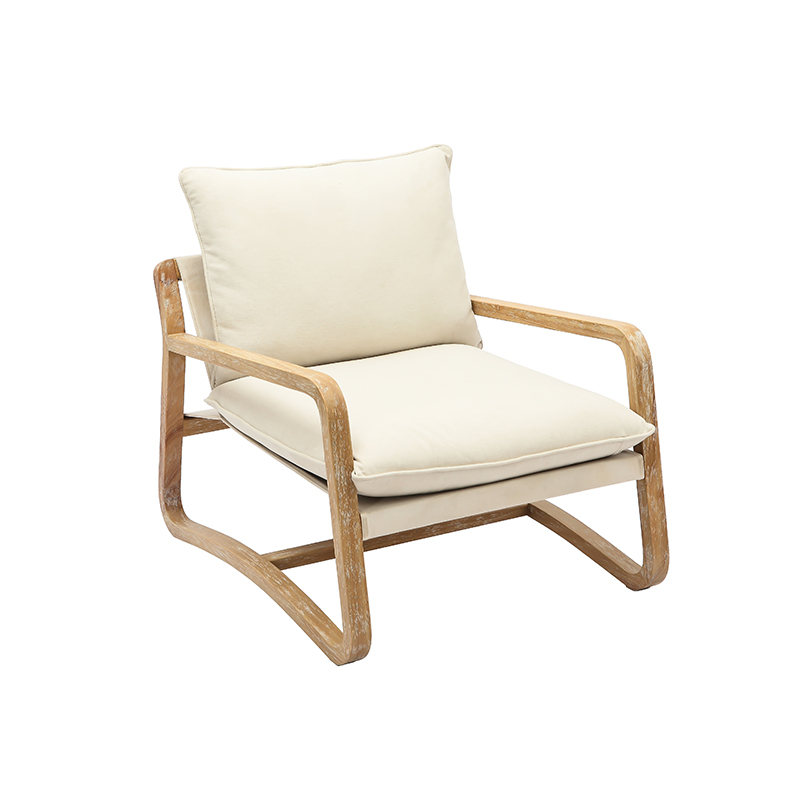
Understanding how to upholster a chair seat helps buyers appreciate what separates a well-made cushion from a poorly constructed one — and it's also a useful skill for refreshing an existing piece. Whether you're working with a drop-in slip seat or a fixed platform, the layering method directly determines how comfortable and long-lasting the seat will be.
A properly upholstered chair seat typically relies on a plywood base, followed by multiple foam layers of varying density, a cotton muslin undercover, and finally the show fabric. Each layer serves a distinct purpose:
For a standard dining chair, a total seat thickness of 25–35mm is typical. Thicker cushions — up to 60mm — are more common in lounge or accent chairs where prolonged sitting comfort takes priority. Air vent holes punched through the foam prevent pressure build-up, an often-overlooked detail that significantly improves the seated experience.
Only purpose-made upholstery fabric should be used to cover a seat cushion. Clothing fabric or drapery material lacks the abrasion resistance needed for furniture use and will show wear within months. Key specifications to look for include:
| Fabric Type | Rub Count (Martindale) | Best For | Cleaning |
|---|---|---|---|
| PU Leather | 50,000+ | High-traffic dining, commercial | Wipe clean |
| Woven Fabric | 25,000–40,000 | Residential dining, varied styles | Spot clean or remove |
| Boucle / Textured | 20,000–30,000 | Accent chairs, lower traffic | Professional clean recommended |
| Off-white Padding | 15,000–25,000 | Minimal interiors, occasional use | Removable cover preferred |
The wood frame is not merely structural — it is a defining visual element. In a wood upholstered chair, the exposed legs, stretchers, and backrest components communicate the chair's design language before anyone sits in it. Frame design choices affect proportion, perceived formality, and how well the chair integrates into an existing interior.
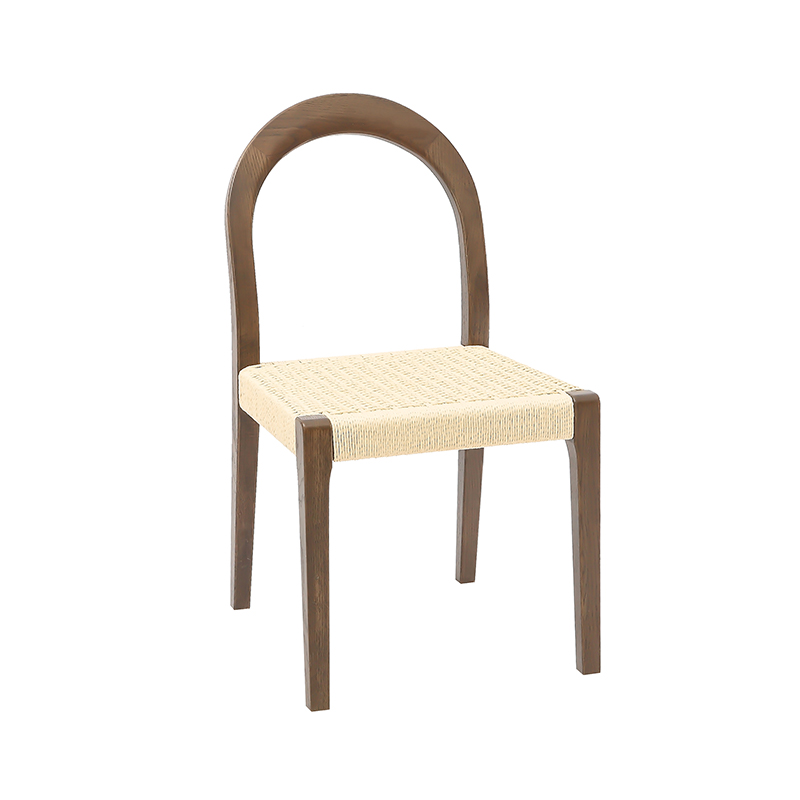
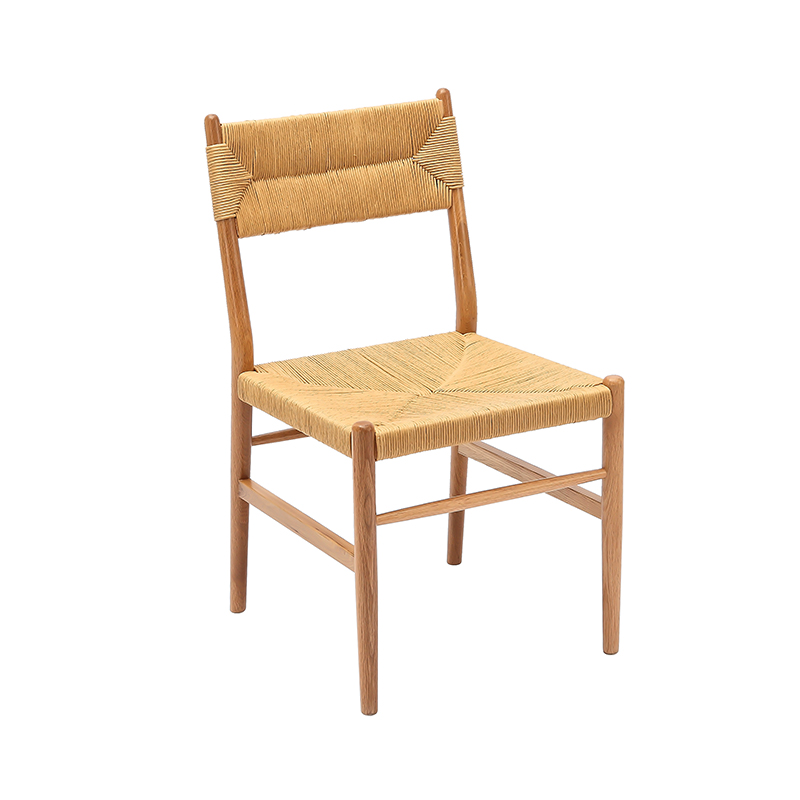
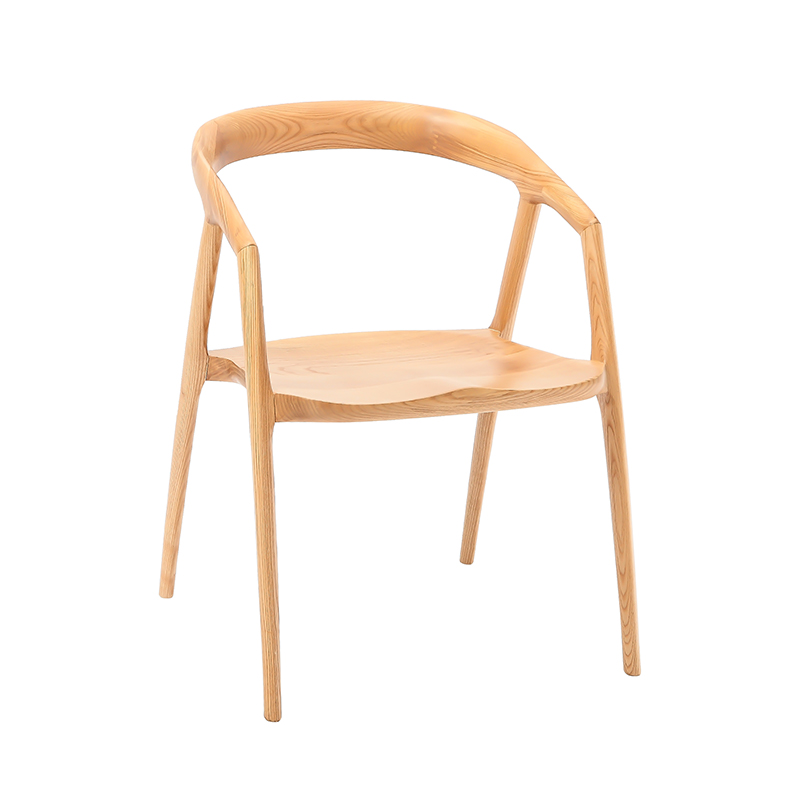
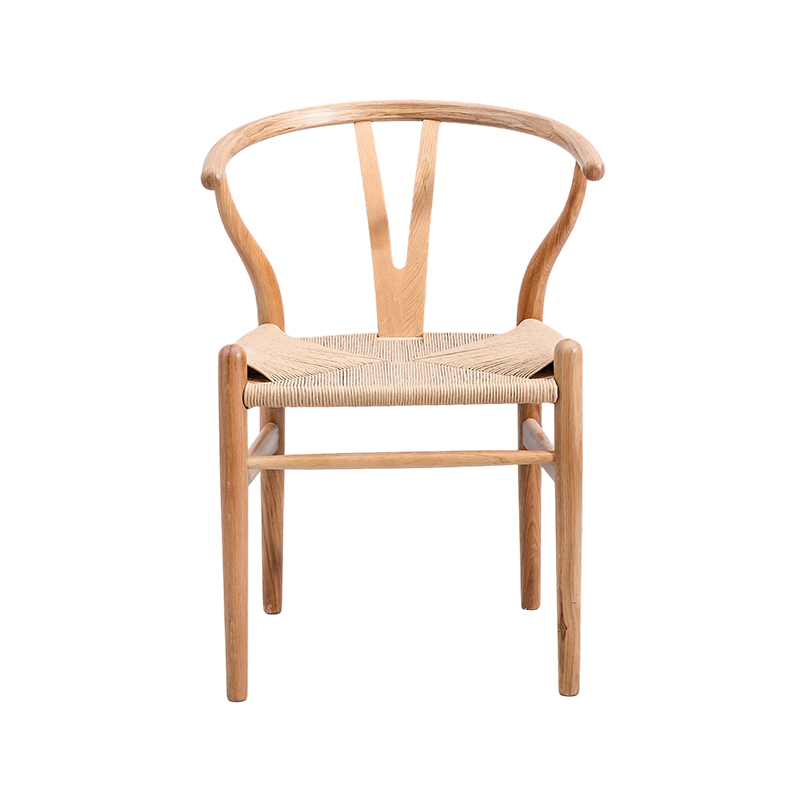
Backrest shape is one of the most expressive variables. A gently curved ladder-back conveys relaxed informality; a solid, upholstered backrest panel reads as more formal; an open frame with a single curved rail sits between the two. The curve radius of a backrest is not just aesthetic — when designed with ergonomics in mind, even a modest 10–15° backward incline at the lumbar region can meaningfully reduce fatigue during extended seating.
Wood finish plays an equally significant role. Common options include:
When selecting a wood frame, buyers should also consider the joint construction. Mortise-and-tenon or dowel joints reinforced with corner blocks offer significantly better long-term rigidity than stapled or solely glued connections — a distinction that is not always visible at point of purchase but becomes apparent after years of use.
One of the strengths of the wood upholstered chair category is its versatility across dining contexts. The same core construction — wood frame, padded seat — can be styled to suit everything from a casual kitchen nook to a formal dining room or a commercial restaurant setting. Success lies in aligning seat height, proportion, and material choices with the specific environment.
For residential dining, standard seat heights of 450–480mm are suitable for tables with a height of 750–780mm. A visual rule of thumb is to maintain a 280–320mm gap between the seat surface and the underside of the tabletop to allow comfortable legroom. Chairs with a seat depth of 420–450mm accommodate most adults for 45–60 minute dining sessions without discomfort.
In commercial and hospitality settings, durability becomes the dominant criterion. PU leather upholstery is strongly preferred over fabric in restaurant environments: it withstands repeated wiping, resists food stains, and maintains its appearance over thousands of use cycles. Frame construction should be assessed for commercial-grade loading — typically rated to a minimum of 120 kg static load. Stackability and ease of storage may also factor into procurement decisions for venues that rearrange seating frequently.
For mixed-use spaces — a home that also hosts frequent gatherings, or a café with both indoor and covered outdoor seating — look for frames finished with moisture-resistant lacquer and foam sealed against humidity. These details extend the service life considerably in environments where temperature and humidity fluctuate.
A well-chosen wood upholstered chair is an investment that should last a decade or more with appropriate care. Maintenance requirements are modest, but consistency matters.
For the wood frame, periodic application of a wood-safe conditioner or furniture polish prevents surface drying and maintains the protective finish. Avoid prolonged exposure to direct sunlight, which causes fading and can dry out both the wood and the upholstery fabric over time. Felt pads applied to leg bases prevent floor scratching and reduce wobble from uneven contact.
For the upholstered seat, routine care depends on the fabric type. PU leather benefits from a monthly wipe-down with a damp cloth and occasional application of a non-solvent leather conditioner to prevent cracking. Fabric seats should be vacuumed regularly to prevent dust and debris from grinding into the fibers. For deeper cleaning, use a fabric-safe cleaner in circular motions, and allow the seat to dry fully before use to prevent mildew in the foam layers beneath.
If the seat cushion begins to lose resilience — typically after 5–8 years of daily use — the foam and fabric can be replaced without discarding the frame. This re-upholstering option makes wood upholstered chairs significantly more sustainable than fully upholstered pieces, where partial repair is more complex and costly. The ability to upholster a chair seat independently of the frame means a quality wooden base can be refreshed repeatedly, extending its useful life considerably and reducing long-term furniture expenditure.




Innovation Oriented, Quality As Life.
Feel free to reach our if you want to collaborate with us, or simply have a chat.
Become a Client 
Product Category
Wood Upholstered Chair
Woven Wood Chair
Wood Bar Stools
Wood Table
FSC Certified Wood Chairs
Wooden Rattan Chairs
Solid Wood Dining Chair
Modern Wooden Dining Chair
Contact Information
 +86-571-63521858
+86-571-63525898
 furniture@hzchangshun.com
emilypeng@hzchangshun.com
 No. 88, Zhumufan, Yushan Township, Fuyang District, Hangzhou City, Zhejiang Province, China


 EN
EN

 English
 中文简体
中文简体 Español