2026/05/07
Content
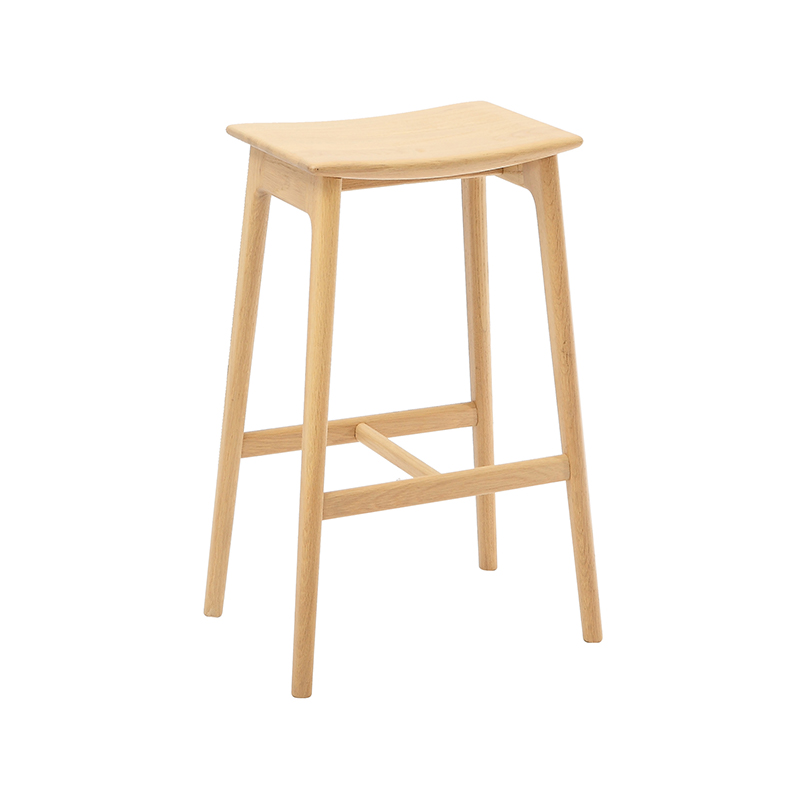
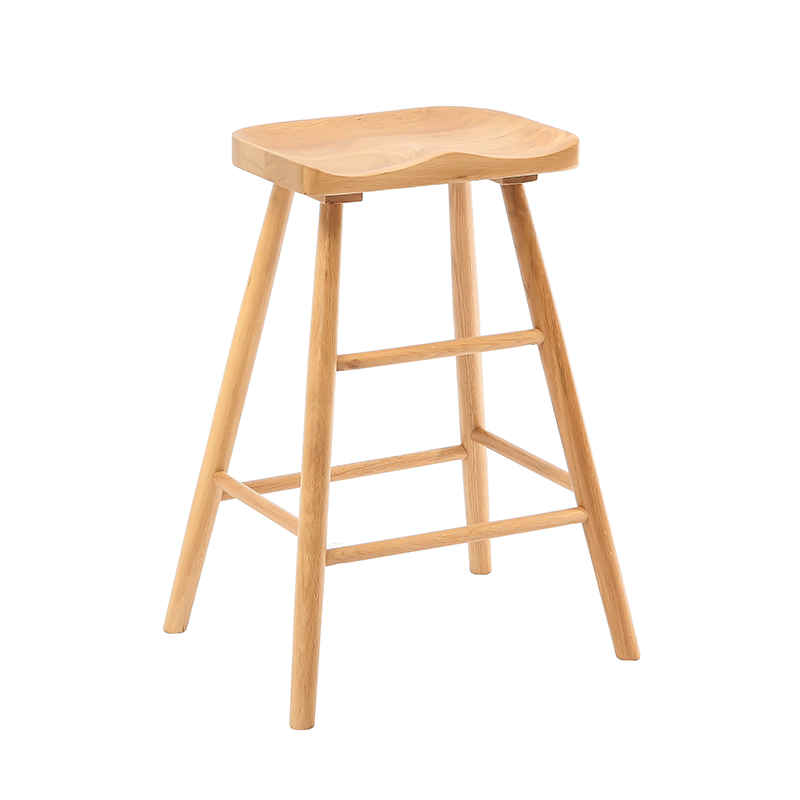
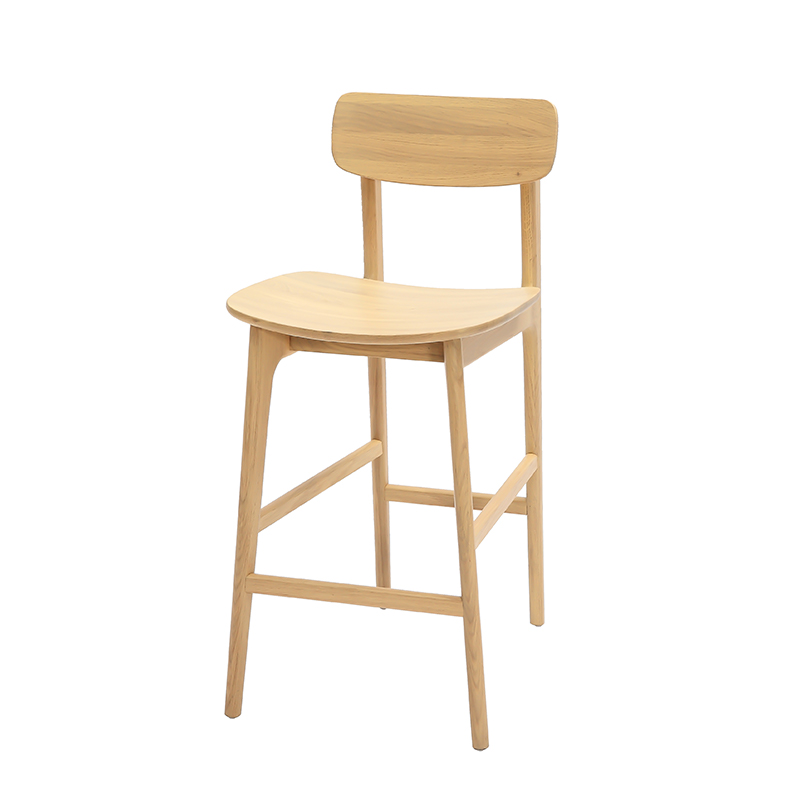
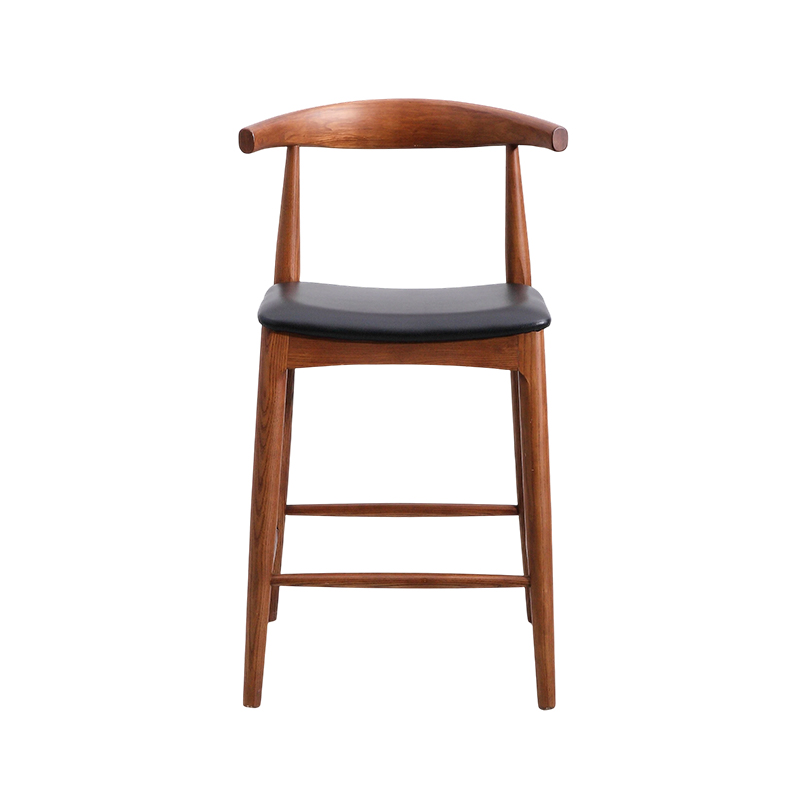
The solid wood bar stool has evolved far beyond its utilitarian origins. Where it once served a purely functional role at kitchen counters and home bars, today's designs carry the weight of considered craftsmanship — blending ergonomic form, expressive material choices, and a sculptural presence that makes them as compelling visually as they are practical. Placed at a kitchen island, a modern social space, or a café-style counter, a quality solid wood bar stool delivers a grounded, tactile warmth that metal, plastic, or engineered alternatives simply cannot replicate.
What distinguishes a genuinely well-made solid wood bar stool is the attention paid to posture and support. Gently dipped seats that contour to the body reduce fatigue during extended sitting, while footrests placed at the ergonomically correct height — typically 9 to 12 inches below the seat — allow the legs to rest naturally without dangling. Backrests, when included, introduce lumbar support that transforms a brief perch into a comfortable, lingering seat. These details are not incidental; they are the foundation of a stool built for real daily use rather than appearance alone.
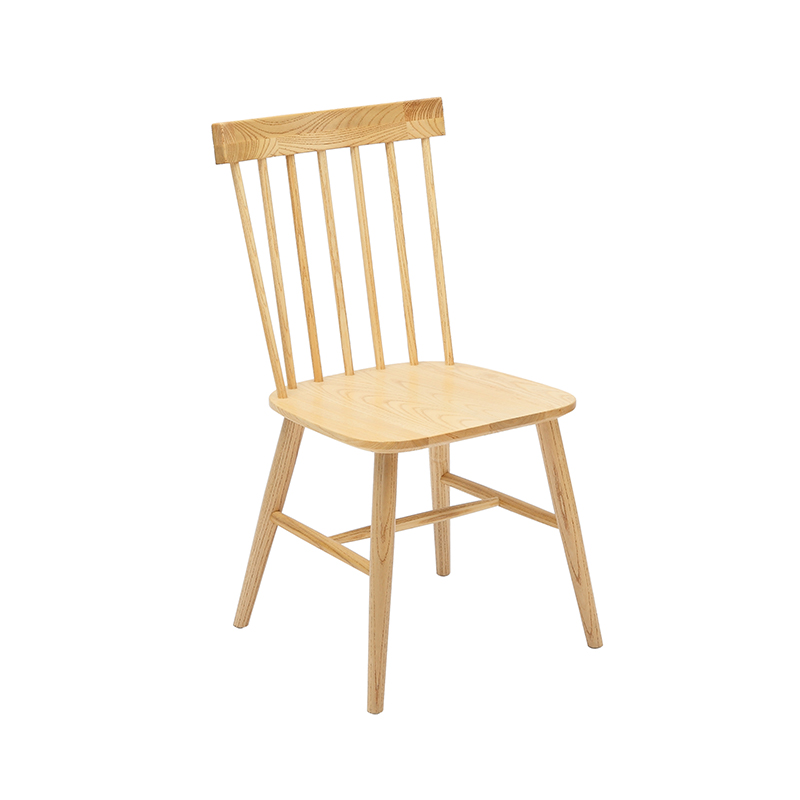
Wood species selection also plays a defining role. Oak delivers a pronounced open grain and impressive hardness, resisting dents and surface wear in high-traffic zones. Walnut offers a darker, more refined palette suited to contemporary interiors where a sense of quiet sophistication is the goal. Ash provides a lighter tone with a flexible grain structure that responds beautifully to curved joinery, making it a natural choice for stools with ergonomic shaping. Each species brings its own visual personality, and choosing the right one for the environment is as important as choosing the right height or seat configuration.
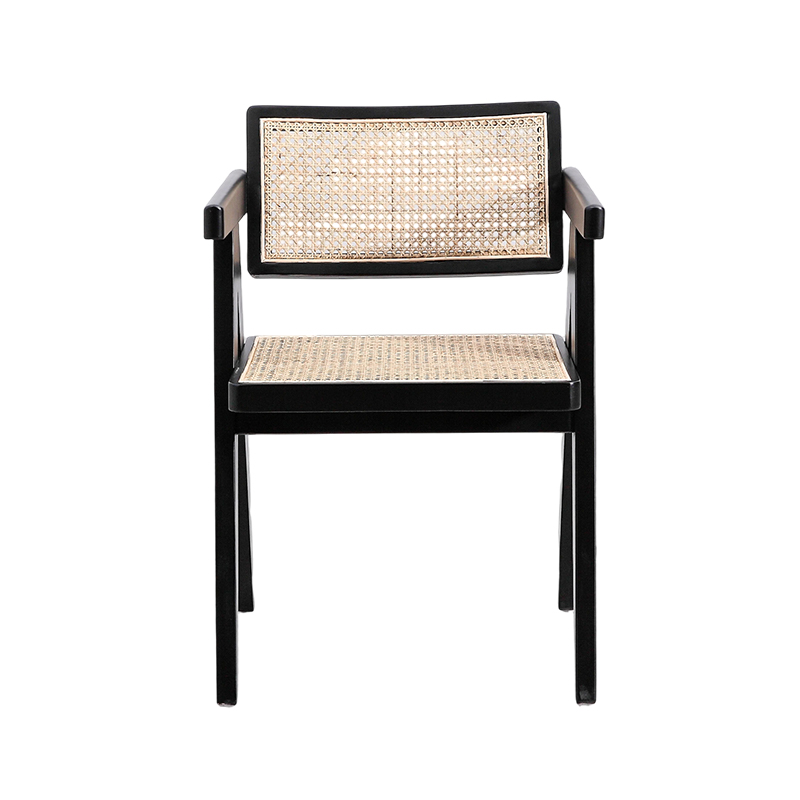
A hardwood lounge chair occupies a fundamentally different role in the interior. Designed for extended relaxation rather than brief, upright sitting, it brings an architectural quality to living rooms, reading corners, home offices, and private lounge areas. The frame — crafted from dense, durable species such as walnut, teak, or cherry — provides the structural backbone, while cushioning, upholstery, and thoughtful ergonomic shaping determine how genuinely comfortable the chair proves in practice.
A well-proportioned hardwood lounge chair follows the natural geometry of the human spine. The seat pan tilts slightly backward to distribute weight evenly, the backrest reclines at an angle that relieves pressure from the lower lumbar region, and the armrests sit at a height that allows the shoulders to drop and the arms to rest without tension. These proportions, refined through considered design iteration, are what separate a hardwood lounge chair that genuinely supports the body from one that merely presents well in a showroom photograph.
Hardwood's material versatility is equally important to its structural strength. The same walnut frame can be finished in a rich, darkened oil to feel moody and contemporary, or sanded back to a lighter natural tone for a Scandinavian-influenced warmth. This range allows a single frame design to serve multiple interior aesthetics — from mid-century modern to refined industrial — without requiring a different piece for each context. That adaptability is part of what makes the hardwood lounge chair such a durable investment in both function and style.
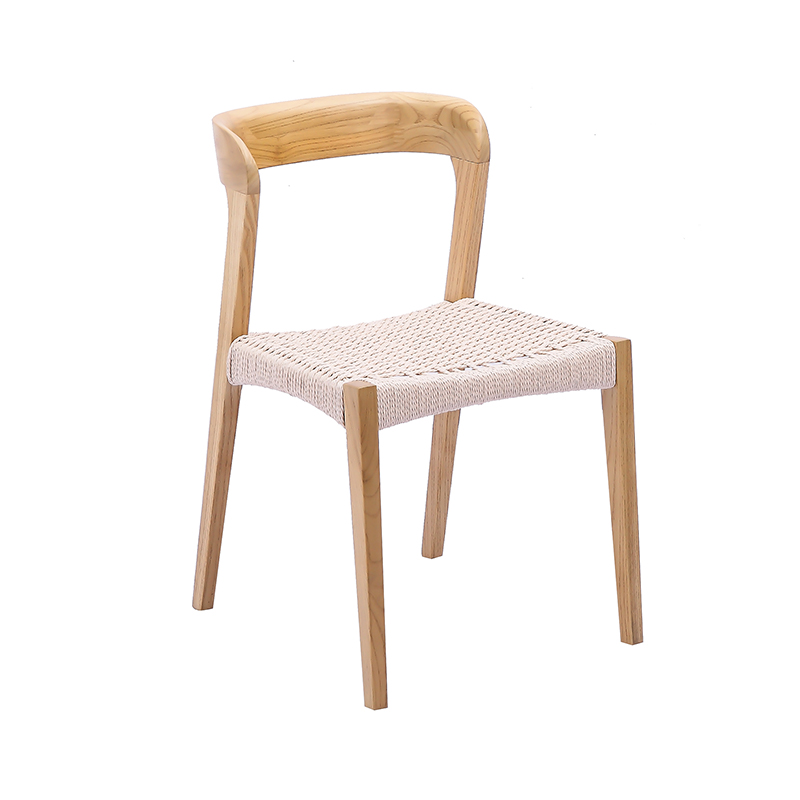
Both the solid wood bar stool and the hardwood lounge chair benefit significantly from thoughtful material combinations that extend the design language beyond the frame itself. Rope weaving — traditionally associated with coastal or rattan aesthetics — takes on a more refined, contemporary character when paired with a dark walnut or richly grained oak frame. The tactile contrast between smooth, hand-rubbed timber and the rhythmic texture of woven cord creates a sensory depth that a single, uniform material simply cannot achieve. It also introduces a subtle layer of visible craftsmanship: the time spent weaving each surface is evident, and that transparency of making elevates the perception of quality.
Leather seating surfaces offer a different but equally effective counterpoint to natural wood. Against the warmth of solid timber, leather — particularly in black, cognac, or natural tan — introduces a suggestion of enduring luxury and resilience. Leather seats develop a personal patina over time, becoming more individual and characterful with each year of use. This quality of aging well rather than simply wearing out aligns naturally with the ethos of solid wood furniture itself: both materials improve with honest use rather than deteriorating from it.
Brass hardware provides a third layering strategy, particularly effective on solid wood bar stools. A brass footrest rail, joinery accent, or structural connector catches ambient light and introduces a warm metallic note that bridges the gap between rustic material honesty and refined contemporary modernism. When carried consistently across a collection, these metallic accents create a sense of visual cohesion that allows individual pieces to read as part of a considered whole rather than isolated objects.
Deciding between a solid wood bar stool and a hardwood lounge chair — or determining how to integrate both into the same environment — depends on the function of the space, the scale of the room, and the overall design direction you are working toward. The table below outlines the primary distinctions to guide that decision.
| Feature | Solid Wood Bar Stool | Hardwood Lounge Chair |
| Primary Use | Counter, bar, kitchen island, social spaces | Living room, reading nook, private lounge |
| Seat Height | 24–30 inches | 16–18 inches |
| Comfort Duration | Short to medium sessions | Extended relaxation |
| Design Style | Modern, casual, industrial | Mid-century, Scandinavian, refined luxury |
| Ideal Material Pairings | Rope weave, leather, brass rail | Cushioned upholstery, leather, fabric |
| Space Footprint | Compact — slides under counter | Moderate to large floor presence |
In open-plan homes where the kitchen flows naturally into the living area, combining both typologies creates a seating gradient that mirrors the shifting social register of the space — stools at the counter for active, casual interaction, lounge chairs anchoring the quieter zones of rest and conversation. Maintaining visual consistency through shared wood species or matching hardware finishes ensures the two pieces read as a coherent interior statement rather than a collision of unrelated styles.
Both the solid wood bar stool and the hardwood lounge chair reward consistent, straightforward maintenance with decades of reliable performance and improving appearance. Wood is a living material — it responds to humidity, temperature, and the oils transferred through daily contact — and caring for it appropriately preserves both its structural integrity and its visual character over time.
The solid wood bar stool and the hardwood lounge chair represent two distinct but complementary expressions of the same design conviction: that seating grounded in quality natural materials, honest construction, and considered ergonomics enriches daily life in ways that mass-produced alternatives cannot approach. Whether anchoring a kitchen counter for casual morning conversations or defining a quiet corner reserved for genuine rest, these pieces justify their place through a combination of warmth, structural integrity, and a character that only deepens with time.




Innovation Oriented, Quality As Life.
Feel free to reach our if you want to collaborate with us, or simply have a chat.
Become a Client 
Product Category
Wood Upholstered Chair
Woven Wood Chair
Wood Bar Stools
Wood Table
FSC Certified Wood Chairs
Wooden Rattan Chairs
Solid Wood Dining Chair
Modern Wooden Dining Chair
Contact Information
 +86-571-63521858
+86-571-63525898
 furniture@hzchangshun.com
emilypeng@hzchangshun.com
 No. 88, Zhumufan, Yushan Township, Fuyang District, Hangzhou City, Zhejiang Province, China


 EN
EN

 English
 中文简体
中文简体 Español